
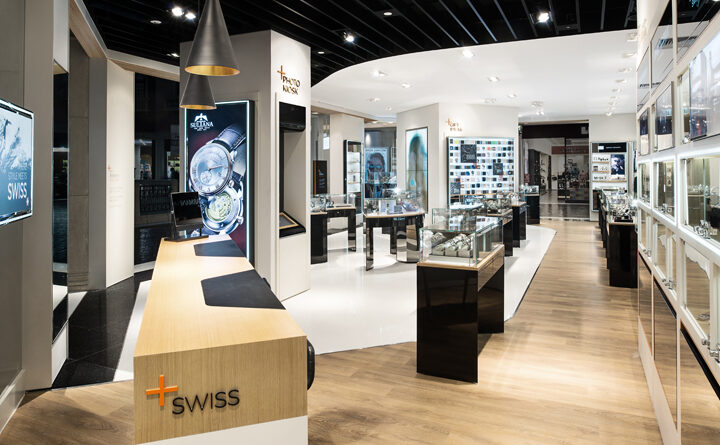
Trends in Retail Watch Displays for Modern Stores
Retail environments are evolving rapidly as consumer expectations shift toward more immersive and experience-driven shopping. In the watch industry, presentation has become just as important as the product itself. Modern shoppers expect clean aesthetics, interactive layouts, and storytelling elements that help them connect with brands on a deeper level.
A thoughtfully designed Retail Watch Display is now a key part of this transformation. It goes beyond simple product placement and instead focuses on engagement, branding, and customer experience. A modern Retail Watch Display reflects current retail trends by combining minimalism, technology, and strategic merchandising to create a more compelling in-store environment.
Shift Toward Minimalist and Clean Design
One of the strongest trends in retail watch presentation is minimalism. Modern stores are moving away from cluttered shelving and dense product arrangements in favor of clean, open designs that highlight individual pieces.
Minimalist displays focus on:
- Reducing visual noise to emphasize product detail
- Using negative space to create a premium feel
- Highlighting fewer items for stronger impact
- Maintaining a consistent and calm visual flow
This approach aligns well with luxury branding, where simplicity often communicates sophistication and exclusivity.
Integration of Smart Technology in Displays
Technology is becoming increasingly important in retail environments, especially for high-value products like watches. Digital integration enhances customer interaction and provides additional product information without overwhelming the physical display.
Common technological enhancements include:
Digital Touchscreens
Touchscreens allow customers to explore product specifications, compare models, and view brand stories directly at the display.
Interactive Product Information
QR codes or embedded digital tags give shoppers instant access to detailed product data, videos, and customer reviews.
Smart Lighting Systems
Adaptive lighting systems adjust brightness and focus based on time of day or customer presence, improving visibility and ambiance.
These innovations make the shopping experience more dynamic and informative while keeping physical displays clean and organized.
Emphasis on Experiential Retail Design
Modern retail is shifting toward experience-based environments rather than traditional product-centric layouts. Watch displays are now designed to create emotional connections and memorable interactions.
Retailers are incorporating elements such as:
- Lifestyle-inspired display zones
- Story-driven product arrangements
- Sensory elements like texture and lighting variation
- Comfortable viewing and try-on areas
This approach encourages customers to spend more time in-store, increasing engagement and the likelihood of purchase.
Sustainable and Eco-Friendly Display Materials
Sustainability has become a major focus in retail design. Brands are increasingly choosing environmentally responsible materials and production methods for their store fixtures.
Popular sustainable trends include:
- Recycled wood and metal materials
- Energy-efficient LED lighting systems
- Modular display structures for reuse and flexibility
- Low-impact manufacturing processes
These choices not only reduce environmental impact but also enhance brand reputation among environmentally conscious consumers.
Modular and Flexible Display Systems
Flexibility is essential in modern retail environments, especially for brands that frequently update collections or seasonal offerings. Modular display systems allow retailers to quickly adapt their layouts without major redesigns.
Benefits of modular watch displays include:
- Easy reconfiguration for new product launches
- Cost-effective store updates
- Scalable designs for different store sizes
- Consistent brand presentation across locations
This adaptability ensures that retail spaces remain fresh and relevant throughout the year.
Personalized and Customer-Centric Layouts
Personalization is becoming a key factor in retail success. Watch displays are now designed to cater to different customer segments, allowing for a more tailored shopping experience.
Retailers are implementing:
- Segmented display zones based on style or price range
- VIP or premium sections for high-end collections
- Interactive consultation spaces for personalized recommendations
- Data-driven merchandising strategies based on customer behavior
These approaches help create a more meaningful and efficient shopping journey for each visitor.
Blending Physical and Digital Retail Experiences
The line between online and offline shopping continues to blur. Modern watch displays often integrate digital experiences that connect in-store browsing with online engagement.
Examples include:
- In-store ordering with home delivery options
- Virtual catalogs accessible through display screens
- Augmented reality tools for watch visualization
- Online inventory integration for real-time availability
This hybrid model ensures customers receive a seamless experience regardless of how they choose to shop.
Conclusion
Retail watch presentation is undergoing a major transformation driven by design innovation, technology, and evolving consumer expectations. From minimalist aesthetics and modular systems to smart technology and experiential layouts, modern trends are reshaping how watches are displayed and experienced in-store.
A well-executed Retail Watch Display plays a central role in this evolution by combining functionality with storytelling and engagement. As retailers continue to adapt, those who embrace these modern trends will be better positioned to create compelling store environments that attract attention, build brand identity, and enhance customer satisfaction.