
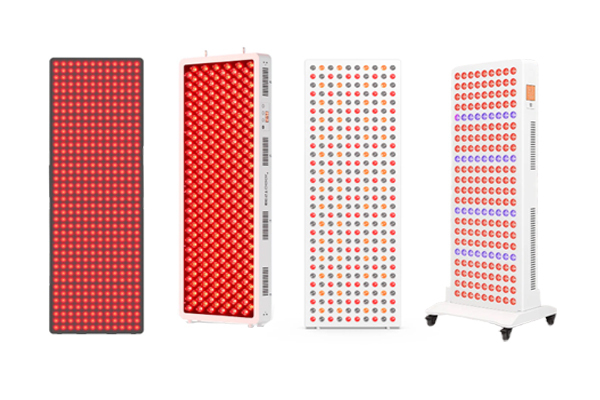
Red Light Therapy Panel Size, Coverage Area, and Performance Factors
Red light therapy is widely used in wellness routines for supporting recovery, skin health, and overall physical well-being. As interest in this technology grows, users are becoming more aware that not all devices perform the same way. One of the most important factors influencing results is the size of the device and how effectively it delivers light to the treatment area.
A properly selected red light therapy panel can significantly improve treatment efficiency by providing broader coverage and more consistent light exposure. Understanding how size, coverage area, and performance characteristics work together can help users make more informed decisions.
Why Size Matters in Red Light Therapy
The size of a red light therapy device directly affects how much of the body can be treated at one time. Larger panels allow for broader exposure, which can reduce the need for multiple sessions targeting different areas.
Smaller devices, on the other hand, are more suited for localized treatment but may require longer overall session times if multiple areas need attention.
In general, larger panels are preferred for:
- Full-body wellness routines
- Athletic recovery sessions
- Multi-area treatment in one sitting
- Professional or shared-use environments
Coverage Area and Treatment Efficiency
Coverage area refers to how much skin and tissue is exposed to the light during a session. A wider coverage area means more efficient treatments, as multiple regions can receive light simultaneously.
A high-quality red light therapy panel typically uses an array of LEDs arranged in a grid pattern to ensure even distribution. This helps minimize uneven exposure and improves consistency across the treatment surface.
Key benefits of larger coverage include:
- Reduced total session time
- More balanced light exposure
- Ability to treat larger muscle groups at once
- Improved convenience for daily use
Understanding Light Intensity and Performance
Performance in red light therapy is often linked to irradiance, which refers to the power of light delivered to the skin’s surface. Higher irradiance levels may allow for shorter sessions while still delivering effective exposure.
However, performance is not only about intensity. It also depends on how evenly the light is distributed across the panel. A well-designed system ensures consistent output across all LEDs, reducing weak spots or uneven treatment zones.
Factors that influence performance include:
- LED quality and arrangement
- Distance from the treatment surface
- Wavelength consistency
- Heat management systems
Wavelengths and Their Role in Effectiveness
Most red light therapy panels use a combination of red and near-infrared wavelengths. These are commonly studied for their ability to penetrate different layers of the skin and underlying tissues.
- Red light is typically associated with surface-level skin support
- Near-infrared light is often used for deeper tissue exposure
The combination of both wavelengths allows for a more comprehensive approach to wellness and recovery applications.
Distance and Placement Considerations
The distance between the user and the panel plays a role in how light is absorbed. Standing too far away may reduce intensity, while being too close may limit coverage area.
Many users adjust distance based on:
- Treatment goals (skin vs muscle recovery)
- Device power output
- Comfort level during sessions
Proper positioning helps ensure consistent and effective exposure.
Choosing the Right Panel Size for Your Needs
Selecting the appropriate panel size depends on how the device will be used. Different users may have different priorities based on lifestyle and wellness goals.
For Home Users
Smaller to medium-sized panels are often sufficient for personal use. These provide a balance between convenience and performance.
For Athletes or Active Individuals
Larger panels may be preferred to support full-body recovery after workouts or physical activity.
For Professional Settings
Clinics and wellness centers often require larger, high-output panels to accommodate multiple clients and deliver efficient treatments.
Final Thoughts
Size, coverage area, and performance are closely connected factors that determine how effective a red light therapy device will be in real-world use. A well-designed system ensures consistent light delivery, efficient session times, and reliable results over time.
Choosing the right red light therapy panel ultimately depends on balancing your treatment goals with device capabilities. By understanding how these factors work together, users can make more informed decisions and build a more effective wellness routine.