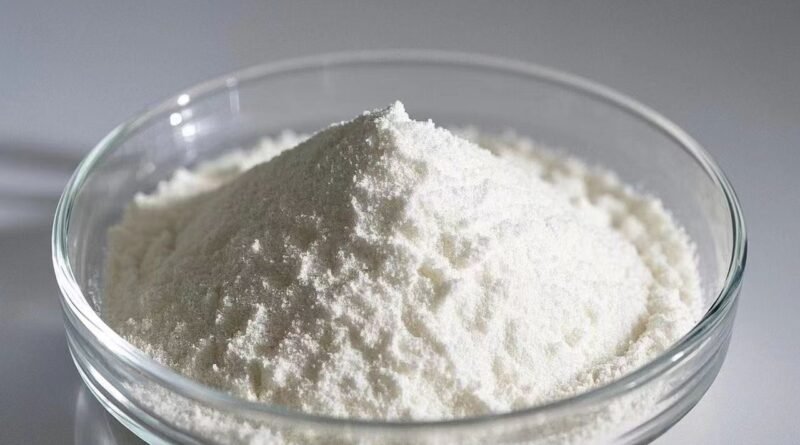
L-Glutamine USP: Understanding Pharmaceutical Quality Standards and Purity Requirements
L-glutamine is an amino acid used in nutritional products, pharmaceutical development, and various research applications. When evaluating this ingredient for regulated or quality-sensitive applications, buyers often encounter references to pharmaceutical standards and compendial specifications. Understanding what these standards mean is essential for selecting suitable raw materials and maintaining consistent product quality.
The United States Pharmacopeia (USP) publishes standards intended to support the identity, strength, quality, and purity of ingredients and finished products. These standards can provide an important reference when assessing pharmaceutical-grade materials. Buyers researching L Glutamine Usp should distinguish between a supplier’s general purity claims, compliance with a specific compendial monograph, and formal documentation demonstrating that a particular batch meets applicable requirements.
What Is L-Glutamine?
L-glutamine is the L-form of glutamine, a proteinogenic amino acid involved in several biological processes. It is naturally produced by the human body and is abundant in skeletal muscle and blood.
Its functions include:
- Supporting protein synthesis and amino acid metabolism.
- Transporting nitrogen between tissues.
- Providing metabolic fuel for certain cells.
- Contributing to the production of glutamate.
- Supporting the synthesis of glutathione through its conversion to glutamate.
Glutamine is classified as conditionally essential because the body’s ability to produce enough of it may be affected during severe physiological stress. It is also present in protein-containing foods, including meat, fish, dairy products, eggs, legumes, and soy.
For industrial and pharmaceutical applications, the ingredient’s biological role is only one consideration. Its identity, purity, impurity profile, manufacturing history, and quality documentation must also be evaluated.
What Does USP Mean?
USP stands for the United States Pharmacopeia, an independent scientific organization that develops public quality standards for medicines, dietary supplements, and certain food ingredients.
USP–NF standards include monographs and general chapters that describe requirements and testing approaches for applicable substances and products.
A compendial monograph may specify:
- Official ingredient identity.
- Identification procedures.
- Assay or content requirements.
- Limits for specified impurities.
- Applicable physical or chemical characteristics.
- Relevant analytical procedures.
The exact requirements depend on the substance and the applicable monograph edition.
A reference to USP should therefore be evaluated carefully. A product description that uses the term does not, by itself, establish that the material has been tested against every applicable USP requirement or that a specific batch complies with the relevant monograph.
Understanding USP-Related Quality Requirements for L-Glutamine
When assessing L-glutamine for pharmaceutical or other quality-sensitive applications, buyers should examine the relevant compendial requirements and the supplier’s supporting evidence.
1. Identity Testing
Identity testing confirms that the material is the intended chemical substance.
For an amino acid such as L-glutamine, suitable analytical procedures may evaluate characteristic chemical or physical properties. The selected method should be consistent with the applicable specification.
Identity testing is important because a purity result alone cannot establish that a material is the correct ingredient.
2. Assay and Content
An assay measures the amount of the intended substance in a sample using a defined analytical procedure.
The acceptance criteria should come from the applicable specification rather than an assumed universal purity threshold. Buyers should also determine whether the reported result is calculated on an as-is, dried, or other specified basis.
This distinction matters because moisture and calculation methods can influence how assay results are reported and interpreted.
3. Impurity Limits
Impurity testing evaluates substances that may be present alongside the intended ingredient.
Depending on the applicable requirements and risk assessment, quality evaluation may consider related compounds, residual solvents, elemental impurities, and other relevant contaminants.
The limits and testing methods should be appropriate to the material, manufacturing process, and intended use.
4. Moisture and Physical Properties
Moisture content can influence the handling and storage characteristics of powdered L-glutamine.
Other physical properties, such as appearance and solubility, may also be relevant to incoming material assessment or manufacturing operations.
These characteristics should be evaluated against documented specifications. Visual inspection alone is not sufficient to establish pharmaceutical quality.
5. Microbiological Quality
Microbiological requirements depend on the intended product, manufacturing process, and applicable regulatory standards.
For materials used in pharmaceutical or nutritional manufacturing, buyers should determine which microbial tests and acceptance criteria apply. Testing may include specified microbial counts or the absence of particular microorganisms, where required.
A supplier’s general statement that a product is clean or high purity is not a replacement for relevant microbiological evidence.
USP Standards vs. Food-Grade and Other Ingredient Grades
Different ingredient grades are developed for different applications. Their specifications and documentation should not be assumed to be interchangeable.
| Ingredient designation | General purpose | Important consideration |
|---|---|---|
| USP or compendial compliant | Meets applicable requirements of a specified USP monograph | Requires evidence of compliance with the relevant standard |
| Food grade | Intended for suitable food applications | Must meet applicable food regulations and specifications |
| Dietary supplement grade | Intended for use in appropriate supplement manufacturing | Requires compliance with relevant ingredient and finished-product requirements |
| Laboratory grade | Intended for specified laboratory applications | May not meet food or pharmaceutical requirements |
| Research grade | Intended for particular research uses | Suitability depends on the research protocol and product specification |
The word grade should always be interpreted in context. A food-grade product is not automatically USP compliant, and a laboratory-grade material is not automatically suitable for human consumption.
Documents to Request From an L-Glutamine Supplier
Documentation is a central part of pharmaceutical raw material evaluation. Buyers should request records that establish the material’s identity, quality, and traceability.
Certificate of Analysis
A certificate of analysis (CoA) reports test results for a specific production batch. It should identify the product and batch clearly and provide relevant analytical results.
Depending on the specification, it may include identity, assay, moisture, impurity, and microbiological information.
Buyers should verify that the CoA is batch-specific and that the reported methods and acceptance criteria are appropriate.
Product Specification
The specification defines the quality attributes that the ingredient must meet.
It should identify the applicable limits, analytical methods, and relevant acceptance criteria. Where USP compliance is claimed, the supplier should clarify the specific monograph or standard being referenced.
Technical Data Sheet
A technical data sheet provides information about the material’s properties, recommended handling, and other technical characteristics.
It can help manufacturers assess whether the ingredient is compatible with their formulation and production processes.
Safety Data Sheet
A safety data sheet provides information about safe handling, storage, and relevant hazards. It should be reviewed by personnel responsible for workplace safety and chemical management.
Manufacturing and Quality Documentation
Depending on the application, buyers may also request information about manufacturing controls, quality management systems, change control, supplier qualification, and batch traceability.
Where certifications are supplied, their scope, issuing organization, and validity should be checked.
How to Evaluate a Supplier Offering USP-Related L-Glutamine
Selecting a supplier requires more than reviewing a product listing. A reliable qualification process should examine technical capability, documentation, and supply-chain controls.
1. Confirm the Exact Product Specification
Ask the supplier to identify the product grade and the standard against which it is manufactured or tested.
If USP compliance is required, establish whether the supplier is claiming full compliance with the applicable monograph or only stating that selected quality parameters are comparable.
2. Review Analytical Methods
Testing results are more useful when the methods are clearly identified. Confirm that the analytical procedures are suitable for the quality attributes being evaluated.
For critical applications, the buyer’s quality team may need to assess method suitability and any required verification or validation.
3. Assess Batch-to-Batch Consistency
Request documentation from more than one batch when possible. Comparing results can help reveal variation in assay, moisture, impurities, and other important attributes.
Consistent results support more predictable manufacturing and quality control.
4. Examine Manufacturing Controls
Ask about the manufacturer’s quality management system, production controls, material handling, and procedures for preventing contamination.
For regulated pharmaceutical manufacturing, supplier qualification should follow the buyer’s applicable quality system and regulatory obligations.
5. Verify Traceability and Change Control
A qualified supplier should maintain records connecting each delivered batch to its manufacturing and testing history.
Buyers should also understand how the supplier communicates changes to raw material sources, manufacturing processes, specifications, or testing methods.
6. Review Supply Reliability
Lead times, production capacity, packaging options, and shipment arrangements can affect continuity of supply.
A supplier should be able to explain how it manages recurring orders and communicates potential supply interruptions.
Storage and Handling Requirements
Appropriate storage helps maintain the quality of L-glutamine during warehousing and manufacturing.
Protect the Powder From Moisture
Keep the material in its original, properly sealed packaging or an approved equivalent. Moisture exposure can affect powder handling and may contribute to clumping.
Use clean, dry utensils and avoid leaving containers open longer than necessary.
Follow Temperature Recommendations
Store the ingredient according to the manufacturer’s documented conditions. Avoid unnecessary exposure to heat and environmental conditions outside the recommended range.
Maintain Proper Inventory Records
Record batch numbers, receipt dates, expiry or retest dates where applicable, and storage conditions when required.
A first-expiry-first-out system can help reduce the risk of retaining material beyond its approved period of use.
Prevent Cross-Contamination
Use appropriate material handling procedures, clean storage areas, and suitable containers. Separate released ingredients from materials awaiting inspection or quality approval.
These practices are particularly important in facilities handling multiple pharmaceutical or nutritional ingredients.
Common Misunderstandings About USP Compliance
Several misconceptions can create problems during purchasing and quality assessment.
Assuming that high purity automatically means USP compliance: A high assay result does not establish compliance with every requirement of an applicable monograph.
Treating a supplier statement as proof: A product description containing the term USP is not sufficient evidence. Supporting documentation and appropriate testing are needed.
Confusing food grade with pharmaceutical quality: Food-grade specifications may differ from pharmaceutical requirements in testing, documentation, and manufacturing controls.
Ignoring the applicable monograph edition: Compendial requirements can be revised. Buyers should confirm which edition and official requirements apply to their intended use.
Assuming one certificate covers every batch: A general certificate or product specification does not replace batch-specific analytical documentation where required.
Conclusion
USP-related quality evaluation is an important part of selecting L-glutamine for pharmaceutical and other quality-sensitive applications. Buyers need to understand the difference between ingredient purity, compliance with a specific compendial monograph, and the documentation required to support a quality claim.
Before purchasing, review identity testing, assay, impurity limits, moisture specifications, microbiological requirements, and batch traceability. Evaluate the supplier’s manufacturing controls, analytical methods, documentation practices, and ability to maintain consistent supply.
Most importantly, confirm that the material’s grade and specifications match the intended application. Careful supplier qualification and appropriate quality controls help manufacturers make informed decisions and maintain dependable raw material standards.