
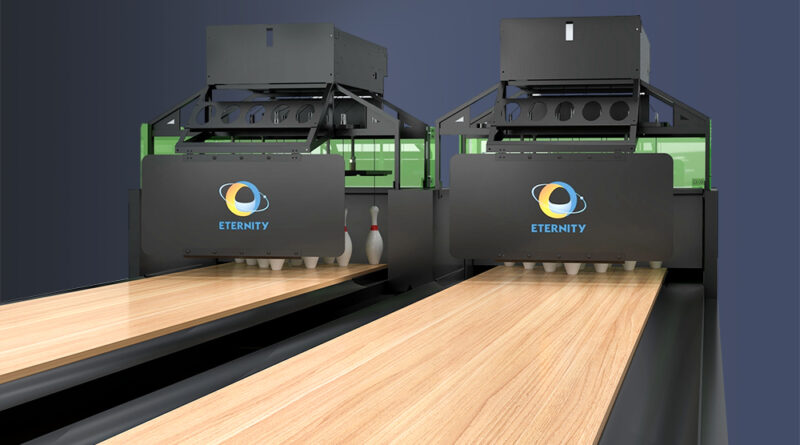
Key Technologies Used by Modern Bowling Equipment Manufacturers
Modern bowling equipment combines mechanical engineering, materials science, electronics, and digital technology. These technologies help manufacturers produce equipment with consistent dimensions, reliable operation, and improved durability for both recreational and commercial bowling environments.
A modern Bowling Equipment Manufacturer may use a combination of computer-aided design, precision machining, automated production systems, quality-control equipment, and digital testing tools. The technologies used depend on the type of product and its intended application.
Computer-Aided Design and Engineering
Computer-aided design (CAD) software is widely used to develop detailed product models before manufacturing begins. Engineers can define precise dimensions, shapes, tolerances, and component relationships within a digital environment.
CAD also makes it easier to modify designs and identify potential assembly or compatibility issues before physical production. This can reduce development time and improve consistency between product batches.
CNC Machining
Computer numerical control (CNC) machinery allows manufacturers to produce components according to precise digital instructions. CNC equipment can perform operations such as cutting, drilling, turning, and milling with a high degree of repeatability.
This technology is useful when bowling equipment requires accurately machined components or consistent dimensions across multiple units.
Automated Production Systems
Automation can improve production consistency by controlling repetitive manufacturing tasks. Automated systems may be used for material handling, forming, assembly, finishing, or packaging.
The level of automation varies between manufacturers and products. In many cases, automated equipment works alongside skilled technicians who monitor production and perform specialized tasks.
Advanced Materials and Composite Technology
Material technology plays an important role in the performance and durability of bowling equipment. Manufacturers may use engineered plastics, polymers, composites, metals, and other specialized materials according to the requirements of each product.
Material selection can influence factors such as strength, weight, impact resistance, surface characteristics, and service life. Manufacturers must therefore match materials to the intended operating conditions.
Precision Measurement and Quality Control
Modern manufacturing relies on accurate measurement tools to verify product dimensions and tolerances. Digital calipers, gauges, coordinate measuring equipment, and other inspection technologies can be used during quality-control processes.
These systems help identify variations that may not be visible during a basic visual inspection. Consistent measurement is particularly important for components that must fit together accurately.
3D Modeling and Prototyping
Three-dimensional modeling allows manufacturers to evaluate product designs before committing to large-scale production. Digital models can also be used to create prototypes for physical testing.
Rapid prototyping technologies, including 3D printing, can help engineers assess the shape, fit, and functionality of certain components. Design changes can then be made before final manufacturing tools are produced.
Electronic Control Systems
Some modern bowling systems rely on electronic components for monitoring and operation. Sensors, control boards, motors, and other electronic devices can be integrated into equipment that performs automated functions.
These technologies can help control mechanical operations and provide more precise coordination between different parts of a bowling system.
Digital Scoring and Communication Technology
Bowling centers increasingly use digital systems to manage scoring, player information, displays, and other operational functions. Modern equipment may communicate with software platforms through wired or wireless connections.
Reliable communication between hardware and software is important for accurate scoring and smooth operation. Manufacturers therefore need to consider both electronic components and software compatibility when developing connected equipment.
Sensors and Monitoring Systems
Sensors can be used to detect movement, position, speed, or other operating conditions. In automated bowling equipment, sensor feedback can help control mechanical processes and identify potential problems.
Monitoring technologies can also support maintenance by providing information about equipment performance and operating conditions.
Simulation and Virtual Testing
Computer simulations allow engineers to analyze certain aspects of a product before physical testing. Depending on the application, simulations can evaluate mechanical loads, component behavior, airflow, heat, or structural characteristics.
Although physical testing remains important, simulation can help identify design issues earlier in the development process and reduce the number of physical prototypes required.
Data-Driven Manufacturing
Manufacturers can use production data to monitor efficiency, identify recurring defects, and improve quality-control processes. Digital records can provide information about machine performance, production times, material usage, and inspection results.
When analyzed effectively, this information can support continuous improvements in manufacturing processes and product consistency.
The Role of Technology in Bowling Equipment
Technology has changed how bowling equipment is designed, produced, tested, and maintained. From CAD systems and CNC machining to sensors and digital quality control, modern tools allow manufacturers to manage increasingly precise technical requirements.
For buyers, understanding these technologies can provide useful context when comparing manufacturers. Asking about production methods, quality-control systems, materials, testing procedures, and technical support can help businesses better understand how equipment is developed and maintained.
Final Thoughts
Modern bowling equipment manufacturing involves much more than basic mechanical production. Digital design, precision machining, advanced materials, automation, electronics, sensors, and data analysis can all contribute to the development of reliable equipment.
The specific technologies used will vary according to the manufacturer and product category. Evaluating how these technologies are applied can help buyers make informed decisions based on equipment specifications, quality requirements, and intended use.


