
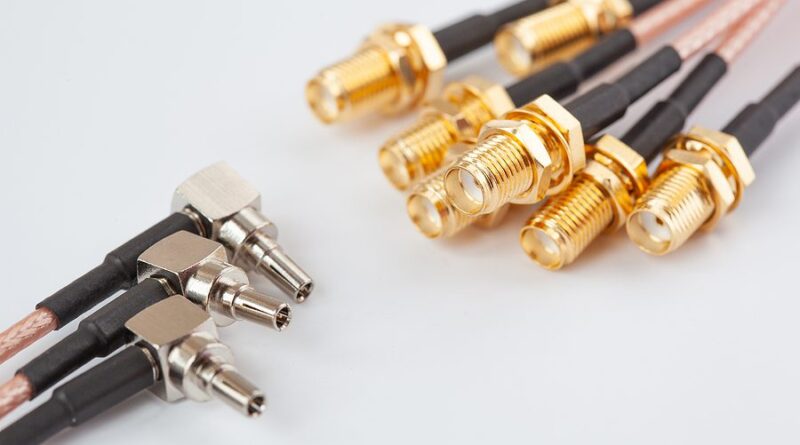
Key Questions to Ask an RF Connector Supplier Before Buying
Selecting the right RF connector supplier is essential for ensuring the performance, reliability, and longevity of your communication systems. Whether you are purchasing connectors for telecommunications, aerospace, industrial automation, medical equipment, or broadcasting applications, asking the right questions before buying can help you make an informed decision and avoid costly procurement mistakes.
A reputable rf connector supplier should offer more than just quality products. They should also provide technical expertise, dependable inventory, responsive customer support, and transparent business practices. By evaluating potential suppliers carefully, you can build a strong partnership that supports your current and future business needs.
What Types of RF Connectors Do You Supply?
Start by understanding the supplier’s product range. A broad selection allows you to source multiple components from one trusted provider.
Common products may include:
- SMA connectors
- BNC connectors
- N-Type connectors
- TNC connectors
- MCX connectors
- MMCX connectors
- RF adapters
- Coaxial cable assemblies
A comprehensive product portfolio simplifies purchasing and improves compatibility across different projects.
Are Your Products Certified?
Product certifications help verify that connectors meet recognized industry standards for quality and safety.
Ask whether the products comply with standards such as:
- ISO 9001
- RoHS compliance
- REACH compliance
- Industry-specific quality requirements
Certified products provide greater confidence in manufacturing consistency and regulatory compliance.
Can You Provide Technical Documentation?
Technical documentation is essential for verifying product specifications before making a purchase.
Request documents such as:
- Product datasheets
- Mechanical drawings
- Electrical specifications
- Material certifications
- Performance test reports
Detailed documentation allows engineers and procurement teams to confirm compatibility with their applications.
Which Manufacturers Do You Work With?
Knowing where products are sourced helps you evaluate overall quality and reliability.
A trustworthy supplier should be willing to discuss:
- Manufacturing partners
- Product origins
- Quality control processes
- Supplier qualifications
Established relationships with reputable manufacturers often result in more consistent product quality.
What Quality Control Measures Do You Follow?
Although suppliers may not manufacture the products themselves, they should have procedures to verify product quality before shipment.
Ask about:
- Incoming inspections
- Product verification
- Packaging inspections
- Documentation reviews
- Inventory quality checks
Quality control processes help reduce the risk of receiving defective components.
Do You Maintain Inventory?
Inventory availability directly affects project schedules and purchasing flexibility.
Questions to ask include:
- Which products are kept in stock?
- What are your average lead times?
- How do you handle backorders?
- Can you support recurring orders?
Reliable inventory management helps ensure products are available when needed.
Can You Provide Technical Support?
Technical expertise can be extremely valuable when selecting connectors for specialized applications.
Determine whether the supplier offers assistance with:
- Product selection
- Connector compatibility
- Frequency requirements
- Cable matching
- Installation recommendations
Knowledgeable support can help prevent specification errors and improve system performance.
What Are Your Delivery Capabilities?
Efficient logistics are essential for maintaining production schedules.
Consider asking:
- What shipping options are available?
- Do you offer international delivery?
- How are products packaged?
- Can urgent orders be expedited?
Reliable delivery services help minimize delays and improve supply chain efficiency.
What Is Your Warranty Policy?
Understanding warranty coverage before purchasing can help protect your investment.
Important questions include:
- What warranty is provided?
- How are defective products handled?
- What is the replacement process?
- Are returns accepted?
Clear warranty policies demonstrate confidence in product quality.
Can You Support Future Growth?
As your business expands, your purchasing requirements may increase.
Ask whether the supplier can accommodate:
- Large-volume orders
- Long-term supply agreements
- Custom connector solutions
- Ongoing inventory support
Choosing a supplier capable of growing with your business can simplify future procurement.
What Do Existing Customers Say?
Customer reviews and references provide valuable insight into a supplier’s reliability.
Look for feedback related to:
- Product quality
- Delivery performance
- Customer service
- Technical support
- Overall purchasing experience
Positive customer experiences often indicate dependable long-term service.
Warning Signs to Watch For
When evaluating suppliers, be cautious if you notice:
- Limited technical knowledge
- Incomplete documentation
- Poor communication
- Unclear inventory information
- Missing certifications
- Inconsistent delivery commitments
Recognizing these warning signs early can help you avoid procurement challenges later.
Conclusion
Asking the right questions before purchasing from an RF connector supplier is an effective way to evaluate product quality, technical expertise, inventory management, and customer service. By discussing certifications, documentation, quality control, delivery capabilities, and long-term support, businesses can make informed purchasing decisions and reduce supply chain risks. A reliable supplier not only provides high-quality RF connectors but also serves as a valuable partner in supporting the success of your communication and electronic systems over the long term.