Key Components Included in Professional Turnkey Cleanroom Solutions
Cleanrooms are highly specialized environments designed to maintain strict control over airborne particles, temperature, humidity, and pressure. These controlled spaces are essential for industries such as pharmaceuticals, biotechnology, electronics, and healthcare manufacturing, where even microscopic contamination can affect product safety and compliance. Building such environments requires more than construction expertise—it demands an integrated system approach that ensures precision, compliance, and long-term reliability.
Modern manufacturers increasingly rely on integrated project delivery models that combine engineering, design, construction, and validation into a single streamlined process. This is where structured cleanroom delivery becomes essential, as it reduces coordination challenges while improving overall performance and regulatory compliance.
In this context, Turnkey Cleanroom Solutions provide a complete framework that integrates all essential components required to build a fully functional controlled environment. Instead of managing multiple vendors, manufacturers receive a fully engineered system that is designed, built, and validated under one coordinated process, ensuring consistency from concept to completion.
Integrated Design and Engineering Systems
The foundation of any professional cleanroom project begins with detailed design and engineering. This phase ensures that all environmental and operational requirements are clearly defined before construction begins.
Key engineering elements include:
- Cleanroom classification planning (ISO or GMP standards)
- Airflow and pressure cascade design
- HVAC system modeling and load calculations
- Layout optimization for personnel and material flow
These design systems ensure that the cleanroom operates efficiently while maintaining strict contamination control standards.
HVAC and Air Filtration Systems
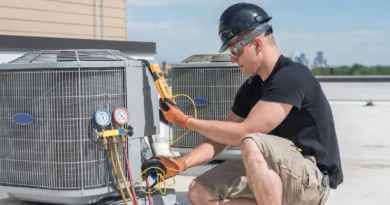
One of the most critical components of a cleanroom is its HVAC and air filtration system. These systems regulate air quality, temperature, and humidity while ensuring that airborne particles are continuously removed.
A professional turnkey system typically includes:
- HEPA or ULPA filtration units for high-efficiency particle removal
- Air handling units (AHUs) for controlled air circulation
- Differential pressure control systems
- Temperature and humidity regulation modules
Proper airflow management ensures that contaminants are prevented from entering critical production zones, maintaining a stable and controlled environment.
Modular Cleanroom Construction Components
Modern cleanrooms are often built using modular construction techniques, which allow for faster installation and flexible configurations. These prefabricated systems are designed for precision and consistency.
Core modular components include:
- Wall and ceiling panel systems
- Aluminum or steel support structures
- Cleanroom-grade doors and windows
- Sealed joints and contamination-resistant finishes
Modular construction not only improves installation speed but also enhances scalability for future expansion.
Specialized Flooring and Surface Materials
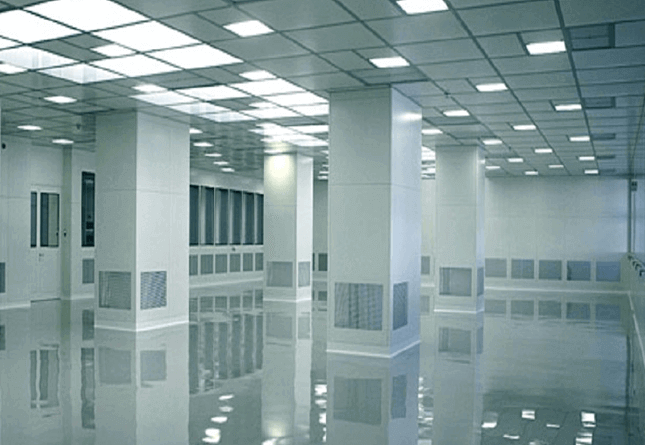
Surface materials play a crucial role in maintaining cleanliness and preventing particle accumulation. Cleanroom flooring and wall finishes must be durable, easy to clean, and resistant to chemical exposure.
Common materials used include:
- Epoxy resin flooring systems
- Vinyl or PVC anti-static flooring
- Seamless wall coatings
- Non-shedding ceiling surfaces
These materials help maintain a sterile environment while supporting long-term durability under continuous operation.
Cleanroom Equipment and Support Systems
A fully functional cleanroom also requires specialized equipment designed to control contamination during material and personnel movement.
Typical equipment includes:
- Air showers for personnel decontamination
- Pass boxes for controlled material transfer
- Laminar flow cabinets for localized clean zones
- Storage and staging units designed for clean environments
These systems help maintain contamination control at entry and transition points within the facility.
Environmental Monitoring and Control Systems
Continuous monitoring is essential for ensuring compliance and operational stability. Advanced control systems track environmental conditions in real time and provide alerts when parameters deviate from acceptable ranges.
Key monitoring components include:
- Particle counters for air quality analysis
- Temperature and humidity sensors
- Pressure differential monitoring systems
- Integrated Building Management Systems (BMS)
These systems ensure that the cleanroom consistently operates within required specifications.
Validation, Documentation, and Compliance Support
A critical part of any cleanroom project is validation. This ensures that the facility meets all regulatory requirements and is suitable for operational use.
Validation components typically include:
- Installation qualification (IQ)
- Operational qualification (OQ)
- Performance qualification (PQ)
- Comprehensive compliance documentation
Proper validation ensures readiness for audits and regulatory inspections while confirming system reliability.
Utility Integration and Infrastructure Support
Cleanrooms require stable utility systems to support continuous operation. These systems are carefully integrated during the turnkey process to ensure seamless performance.
Key utilities include:
- Electrical distribution systems
- Compressed air supply networks
- Water purification systems (where applicable)
- Backup power systems for critical operations
Proper utility integration ensures uninterrupted functionality and operational safety.
Conclusion
Professional cleanroom development requires a highly coordinated system of components working together to maintain controlled environmental conditions. From HVAC systems and modular construction to monitoring technologies and validation processes, each element plays a vital role in ensuring performance and compliance. By integrating all these components into a single structured process, turnkey delivery models provide manufacturers with efficient, reliable, and fully compliant cleanroom environments ready for immediate operation.