
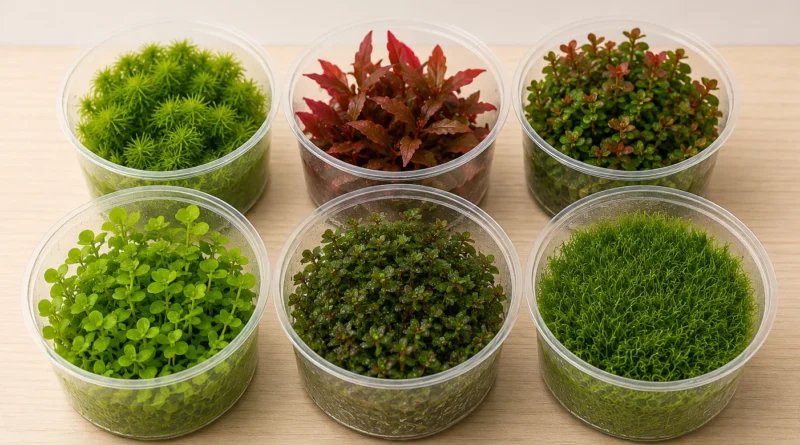
How Tissue Culture Technology Ensures Consistent Growth in Tropical Plants
Tropical plants are valued for their attractive foliage, diverse growth habits, and suitability for indoor and outdoor environments. As demand increases among nurseries, garden centers, wholesalers, and plant retailers, growers need reliable propagation methods that can deliver healthy plants with predictable characteristics. Traditional propagation techniques remain useful, but they may not always provide the speed, quantity, or uniformity required for large-scale production.
Tissue culture technology offers a controlled approach to multiplying selected tropical plant varieties. By using carefully chosen plant material and standardized laboratory procedures, growers can produce large numbers of young plants with similar genetic characteristics. This makes Wholesale Tissue Culture Tropical Plants an attractive sourcing option for commercial nurseries seeking dependable planting material and more organized production schedules.
1. Controlled Propagation Creates More Predictable Results
Tissue culture propagation takes place in a controlled laboratory environment where temperature, light, nutrients, and other conditions can be carefully managed. Unlike conventional propagation, which may depend heavily on seasonal conditions and the availability of suitable parent plants, laboratory production follows defined procedures.
Small pieces of plant tissue are placed in a suitable nutrient medium under controlled conditions. Depending on the species and propagation method, these tissues can develop shoots and roots that eventually become individual plants.
The ability to manage important production variables helps laboratories maintain more predictable propagation conditions. This provides a useful foundation for commercial growers who need regular supplies of young tropical plants.
2. Selected Parent Material Supports Genetic Consistency
The characteristics of newly propagated plants are strongly influenced by the original plant material. Tissue culture commonly uses selected parent plants with desirable traits, such as attractive foliage, suitable growth habits, and other variety-specific characteristics.
When appropriate source material and established multiplication protocols are used, tissue culture can produce plants that retain many of the desired characteristics of the parent plant.
This is particularly valuable for commercial nurseries that sell named varieties or supply large orders to retailers.
However, genetic consistency is not automatic. Some tissue culture processes can produce unexpected variations, especially when protocols are not properly controlled or cultures undergo extensive multiplication. Professional laboratories therefore need suitable monitoring and quality management procedures.
3. Standardized Nutrient Conditions Support Plant Development
Plants require appropriate nutrients to develop healthy shoots, roots, and leaves. In tissue culture, nutrient requirements are supplied through carefully prepared growing media.
These media generally contain mineral nutrients, a carbon source, vitamins, and other components needed for plant development. Their composition can be adjusted according to the species and stage of propagation.
Different stages may require different formulations:
- Culture establishment: Helps plant material adapt to laboratory conditions.
- Shoot multiplication: Encourages the development of additional shoots.
- Root development: Supports the formation of roots before transfer.
- Plant preparation: Helps young plants become suitable for removal from culture conditions.
Using stage-specific media allows laboratories to manage plant development more systematically and improve the consistency of propagation procedures.
4. Controlled Environmental Conditions Improve Production Management
Environmental factors influence how plants develop during propagation. In conventional nursery settings, changes in temperature, light, and humidity can affect growth rates and plant appearance.
Tissue culture laboratories can regulate these conditions more closely. Light intensity, photoperiod, temperature, and other environmental variables are managed according to the requirements of the plant species and production stage.
This level of control helps laboratories establish repeatable conditions for multiplication and early development.
For commercial growers, predictable laboratory production can make it easier to plan incoming plant batches and coordinate them with greenhouse capacity, labor availability, and customer orders.
5. Large-Scale Multiplication Supports Commercial Demand
One of the most important advantages of tissue culture is its ability to multiply selected plants in relatively large quantities. A small amount of suitable starting material can be used to establish cultures that produce multiple shoots through successive multiplication stages.
This is particularly useful for tropical varieties that may be slow to propagate through cuttings, divisions, or seeds.
Commercial nurseries can benefit from this approach because it helps provide larger batches of young plants without relying entirely on extensive mother plant collections.
The exact multiplication rate depends on the species, source material, laboratory protocol, and production conditions. Nevertheless, tissue culture offers an effective method for supporting large-scale propagation when properly managed.
6. More Uniform Plant Batches Simplify Nursery Operations
Uniformity is an important consideration for nurseries that produce plants for wholesale and retail markets. When plants within a batch have similar characteristics, growers can organize cultivation and preparation more efficiently.
Tissue culture can help create batches with more consistent genetic backgrounds and developmental stages. This may simplify several nursery activities:
- Sorting and grading incoming plants.
- Organizing plants by variety and growth stage.
- Planning transplanting schedules.
- Managing greenhouse space.
- Preparing products for wholesale distribution.
Although growing conditions can still cause differences in plant size and appearance, consistent starting material provides a useful basis for standardized nursery management.
7. Reduced Dependence on Seasonal Propagation
Traditional propagation methods may be influenced by seasonal growth patterns, parent plant availability, and environmental conditions. These factors can make it difficult to maintain a consistent supply of certain tropical varieties.
Tissue culture allows propagation to take place in controlled laboratory environments throughout the year, provided the necessary facilities, materials, and protocols are available.
This can help suppliers organize production schedules and support more regular purchasing arrangements for commercial nurseries.
However, year-round laboratory production does not mean every variety is always available. Buyers should confirm production capacity, current stock, and lead times before arranging large orders.
8. Proper Acclimatization Helps Maintain Growth After Transfer
Although tissue culture provides controlled conditions during propagation, young plants must adapt when they leave the laboratory. This transition is known as acclimatization and is essential for successful nursery establishment.
Plants developed in culture containers may have adapted to high humidity, limited air movement, and relatively low light intensity. Moving them directly into normal greenhouse conditions can cause stress.
Commercial growers should manage the transition gradually by considering:
- Suitable humidity levels
- Gradual adjustment to light intensity
- Appropriate temperature conditions
- Careful watering practices
- Well-draining growing media
- Adequate air circulation
Good acclimatization practices help plants develop stronger roots and leaves while adjusting to their new environment.
9. Quality Control Helps Maintain Consistent Standards
Consistent growth depends not only on propagation technology but also on quality management throughout production. Laboratories need procedures for selecting source material, monitoring cultures, identifying contamination, and checking finished plant batches.
Quality control may involve visual inspections, variety identification, monitoring for unexpected variations, and reviewing plant development at different stages.
Before purchasing tissue culture plants in bulk, nurseries should ask suppliers about their quality management procedures.
Useful questions include:
- How is parent material selected?
- What measures are used to prevent contamination?
- How are plant varieties identified?
- Are batches inspected before shipment?
- What plant specifications are provided?
- Is technical guidance available after delivery?
Clear answers help buyers understand the reliability of the production process and make more informed purchasing decisions.
10. Tissue Culture Supports Efficient Commercial Production Planning
Consistent planting material helps nurseries organize their operations more effectively. When businesses know the expected quantity, variety, and developmental stage of incoming plants, they can prepare suitable greenhouse space and growing supplies in advance.
This supports better coordination between purchasing, acclimatization, transplanting, cultivation, and sales.
For example, a nursery can schedule incoming batches according to customer demand and available growing capacity. It can also monitor how different varieties perform after acclimatization and adjust future purchasing quantities accordingly.
Keeping records of plant survival, growth rates, and production costs provides useful information for improving long-term planning.
11. Choosing a Reliable Tissue Culture Supplier
The benefits of tissue culture technology depend heavily on the quality of the supplier’s production procedures. Buyers should evaluate suppliers based on their experience, product range, quality controls, and ability to meet commercial requirements.
Before placing an order, consider these factors:
Variety selection: Confirm that the supplier offers the tropical plants required for your target market.
Plant specifications: Check plant size, growth stage, root condition, and packaging details.
Production standards: Ask about laboratory hygiene, source material selection, and batch inspections.
Supply capacity: Confirm whether the supplier can meet your order quantities and expected delivery schedule.
Shipping arrangements: Review packaging methods and transportation procedures to protect plants during transit.
Technical support: Find out whether acclimatization and cultivation recommendations are available.
Starting with a smaller order can help buyers assess product quality and supplier reliability before establishing a regular wholesale purchasing relationship.
Conclusion
Tissue culture technology helps support consistent tropical plant production through controlled propagation conditions, selected source material, standardized nutrient media, and organized quality management. These practices can improve genetic consistency, support large-scale multiplication, and provide commercial nurseries with more predictable supplies of young plants.
However, successful growth also depends on proper acclimatization, suitable nursery conditions, and reliable sourcing. By choosing experienced suppliers and applying appropriate cultivation procedures, commercial growers can make effective use of tissue culture technology and develop more consistent tropical plant production systems.


