How Heated Vests Provide Targeted Warmth Outdoors
Spending time outdoors in cold weather can be challenging, particularly when low temperatures are combined with wind or long periods of inactivity. Wearing suitable layers helps reduce heat loss, but some outdoor situations require additional warmth without adding excessive bulk.
Heated Vests offer a practical approach by using integrated heating elements to deliver warmth around key areas of the upper body. Unlike conventional insulated layers that primarily trap existing body heat, heated vests actively generate warmth and allow users to control the level according to their surroundings.
What Are Heated Vests?
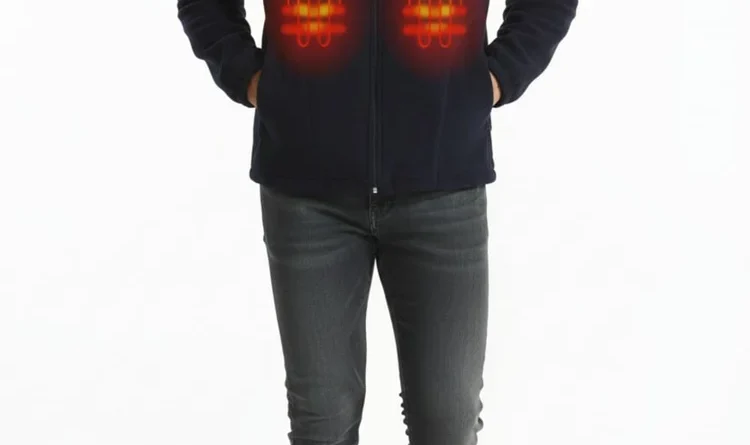
A heated vest is a sleeveless garment fitted with electrically powered heating elements. These elements are typically positioned around areas such as the chest and back, where additional warmth can help support overall comfort in cold conditions.
Most heated vests use rechargeable battery packs to power the heating system. Depending on the design, users can select from different temperature settings to adjust the amount of heat produced.
How Do Heated Vests Work?
The heating process is relatively straightforward. A rechargeable battery sends electricity through conductive heating elements built into the vest. As electrical energy passes through these elements, they generate heat.
The warmth is then distributed across the designated heating zones. A control button or integrated control system usually allows the wearer to select the preferred heat level.
This provides a combination of active heating and traditional insulation. The vest generates warmth while the clothing layers around it help retain that warmth.
Why Focus on the Core?
The torso is an important area to keep warm because it contains many vital organs and is close to the body’s central temperature-regulation system. Keeping the core comfortable can also make the overall cold-weather experience more manageable.
A heated vest concentrates warmth around the chest and back rather than attempting to heat the entire body. This targeted approach can be useful when the arms and legs already have adequate protection from other layers.
Benefits of Targeted Heating Outdoors
Provides Concentrated Warmth
Instead of distributing heat across a large garment, a vest directs warmth toward selected areas. This can be particularly helpful when the torso is exposed to cold air or when someone remains outdoors for an extended period.
Targeted heating can also reduce the need for multiple thick layers, depending on the weather and activity.
Allows Greater Freedom of Movement
The sleeveless design of many heated vests leaves the arms relatively unrestricted. This can make them suitable for activities that require frequent movement, such as hiking, fishing, outdoor work, or cycling.
A vest can also be worn underneath a larger winter jacket when additional protection is required.
Adjustable Heat Levels
Many heated vests offer multiple temperature settings. This allows the wearer to adapt the amount of warmth as conditions change.
For example, a lower setting may be sufficient during light activity, while a higher setting can provide additional comfort during colder or less active periods.
Supports Layering
A heated vest can work as part of a broader layering system. A base layer can manage moisture, the heated vest can provide additional warmth, and an outer layer can help protect against wind or precipitation.
This approach allows each layer to perform a specific function rather than relying on one garment to provide all forms of protection.
Where Can Heated Vests Be Useful?
Heated vests can be suitable for many outdoor environments and activities. Their usefulness largely depends on the weather, duration of exposure, and level of physical activity.
Common applications include:
- Outdoor work in cold conditions
- Hiking and camping
- Fishing
- Cycling
- Winter travel
- Watching outdoor sporting events
- Walking or commuting in low temperatures
They can be particularly useful for situations where people spend significant periods outdoors but still need flexibility and mobility.
What to Consider When Choosing a Heated Vest
Battery Runtime
Battery life determines how long the heating system can operate before recharging. Runtime usually varies according to the selected temperature level, so check the expected performance across different settings.
If the vest will be used for long outdoor sessions, consider whether the battery provides sufficient runtime for the entire activity.
Heating Zones
Look at where the heating elements are located. Some designs focus primarily on the back, while others include heating areas across both the chest and back.
The best configuration depends on which areas you want to keep warm and how the vest will be worn.
Fit
A good fit is important for both comfort and heating performance. The vest should sit comfortably against the body without restricting movement.
It should also leave enough room for any base or mid-layers you plan to wear underneath it.
Material and Weather Protection
The fabric can affect how well the vest performs outdoors. Breathable materials may be preferable during physical activities, while wind-resistant or water-resistant construction can be valuable in exposed environments.
Remember that a heated vest is not necessarily a substitute for a waterproof outer shell.
Using a Heated Vest Responsibly
Always follow the manufacturer’s instructions for charging, operating, cleaning, and storing the vest and its battery. Electrical components should be kept in good condition, and damaged batteries or wiring should not be used.
The garment should also be operated at a comfortable temperature. There is generally no advantage to using the highest heat setting continuously when a lower setting provides sufficient warmth.
Heated Vests and Traditional Winter Clothing
Heated vests do not necessarily replace conventional winter clothing. Instead, they can complement insulation by adding an active source of warmth.
A suitable combination of base layers, a heated vest, and an appropriate outer layer can provide flexibility in changing outdoor conditions. The exact combination should depend on temperature, wind, precipitation, and activity level.
Final Thoughts
Heated vests provide targeted warmth by concentrating electrically generated heat around the body’s core. Their adjustable settings, relatively lightweight design, and compatibility with other layers make them useful for a range of cold-weather activities.
When choosing one, consider battery life, heating zones, fit, materials, controls, and intended use. Selecting a vest based on these practical factors can help ensure it provides useful warmth without compromising comfort or mobility.