
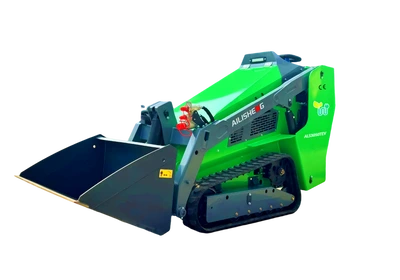
Electric Skid Loader Maintenance Guide: Battery Care, Charging, and Long-Term Performance
Electric skid loaders are becoming an important part of modern construction, warehousing, landscaping, and industrial material handling. Their battery-powered operation can reduce routine engine maintenance and eliminate tailpipe emissions during operation. However, maintaining consistent performance requires proper battery care, correct charging practices, regular inspections, and attention to the machine’s electrical and mechanical systems.
For businesses investing in an Electric Skid Loader, a well-planned maintenance routine can help protect equipment reliability, reduce unexpected downtime, and extend its useful service life. Understanding how to care for the battery, maintain charging equipment, inspect working components, and identify early warning signs allows operators to get more value from their machinery.
1. Understand the Main Maintenance Requirements
Although electric skid loaders do not require conventional engine oil changes or diesel engine servicing, they still contain components that need regular attention. Battery systems, electric motors, hydraulic equipment, tires or tracks, attachment connections, and safety devices all contribute to reliable operation.
A comprehensive maintenance plan should include:
- Battery condition and charging-system checks.
- Inspection of electrical cables, connectors, and visible wiring.
- Hydraulic fluid and hose inspections.
- Tire pressure, tire wear, or track condition checks.
- Cleaning of cooling vents and designated air passages.
- Inspection of attachment couplers and mounting points.
- Testing of controls, alarms, and safety systems.
- Review of warning indicators and diagnostic messages.
The exact maintenance schedule depends on the machine’s design, operating environment, and manufacturer’s recommendations. Always use the model-specific operator and maintenance manuals rather than applying generic service intervals to every electric skid loader.
2. Follow Proper Battery Care Practices
The battery is one of the most important components of an electric skid loader. Its condition affects available operating time, charging behavior, and overall equipment productivity. Proper battery care starts with following the manufacturer’s instructions for charging, storage, temperature, and inspection.
Avoid extreme temperatures
Battery performance can change significantly in very hot or cold environments. High temperatures may accelerate battery degradation, while low temperatures can reduce available power and temporarily limit operating range.
Whenever possible, park and charge the machine in an environment within the battery manufacturer’s recommended temperature range. If the equipment works outdoors during extreme weather, allow for possible changes in runtime and follow any required temperature-management procedures.
Do not attempt to warm or cool a battery using unapproved methods.
Monitor battery condition
Operators should pay attention to battery indicators, warning messages, unusual changes in charging time, and unexpected reductions in runtime. A gradual decline in available operating time may reflect normal battery aging, changing workloads, environmental conditions, or a developing issue.
Record recurring changes and report unusual behavior to a qualified service technician. Avoid opening, modifying, or repairing high-voltage battery components unless specifically authorized and trained to do so.
Keep battery connections clean and protected
Inspect accessible battery connectors and electrical connections according to the maintenance manual. Look for visible damage, corrosion where applicable, loose connections, or signs of overheating.
Do not clean electrical components with excessive water or unapproved chemicals. Disconnecting, tightening, or servicing battery connections should only be performed according to the manufacturer’s safety procedures.
3. Use Safe and Consistent Charging Practices
Charging habits can influence equipment availability and battery longevity. A suitable charging routine also helps prevent avoidable interruptions during busy work periods.
Use approved charging equipment
Always use the charger specified or approved by the equipment manufacturer. Confirm that the charger’s voltage, current, connector, and charging protocol match the machine’s requirements.
An incompatible charger can damage the battery or charging system and may create a safety hazard. Avoid improvised adapters, damaged cables, and unauthorized electrical modifications.
Establish a practical charging schedule
Plan charging around the machine’s expected workload. For example, a warehouse operating on a single shift may be able to recharge equipment after the workday, while a construction operation with longer shifts may need scheduled charging breaks or an appropriate battery-management plan.
Before establishing a routine, check the recommended charging procedure for the specific battery chemistry. Some battery systems support opportunity charging during breaks, while others may have different requirements.
Do not assume that every battery should be charged in exactly the same way. Follow the manufacturer’s guidance on charge limits, charging frequency, and storage state of charge.
Inspect chargers and cables regularly
Before charging, check cables, plugs, connectors, and visible insulation for cuts, crushing, discoloration, or other damage. Stop using damaged charging equipment and arrange professional inspection or replacement.
Charging areas should be dry where required, adequately ventilated according to the equipment specifications, and protected from vehicle traffic or other sources of damage. Keep the area clear of unnecessary materials and follow all applicable electrical and fire-safety procedures.
Never charge equipment using a damaged outlet or a circuit that has not been confirmed suitable for the charger’s electrical requirements.
4. Understand Charging Time and Battery Runtime
Charging time and operating runtime are closely related to battery capacity, charger output, battery condition, temperature, and the intensity of the work being performed.
Heavy lifting, frequent acceleration, continuous hydraulic attachment use, and long travel distances can increase energy consumption. Lighter tasks with shorter travel distances may allow the same machine to operate longer between charges.
To manage runtime effectively:
- Estimate the machine’s typical daily workload.
- Monitor battery usage during representative tasks.
- Record charging duration and operating hours.
- Allow for demanding work periods and temperature changes.
- Schedule charging before the battery reaches a level that interrupts essential operations.
- Investigate sudden changes in runtime rather than assuming they are normal.
Manufacturer-published runtime figures should be treated as estimates unless they specifically reflect your working conditions. Testing the machine with typical loads and attachments provides a more realistic basis for planning.
5. Inspect Electrical Components and Cooling Systems
Electric skid loaders rely on electrical systems to power motors, controls, and other components. Maintaining these systems helps prevent avoidable performance problems and supports safe operation.
During routine inspections, look for visible damage to cables, connectors, protective covers, and accessible electrical components. Check for warning indicators and follow the manufacturer’s troubleshooting procedures.
Cooling systems also require attention. Depending on the design, a machine may use fans, radiators, heat exchangers, or other cooling arrangements for its battery, motors, power electronics, or hydraulic system.
Dust, debris, and blocked air passages can interfere with cooling. Clean designated areas using the methods recommended by the manufacturer. Do not direct high-pressure water at electrical enclosures or sensitive components unless the manual explicitly permits it.
If the machine displays an overheating warning, loses power unexpectedly, or repeatedly shuts down, stop operation when required by the safety instructions and arrange an inspection.
6. Maintain Hydraulic Components
Battery-powered equipment still depends on hydraulic systems for many lifting and attachment functions. Hydraulic maintenance is therefore essential for dependable performance.
Regularly inspect accessible hydraulic hoses, fittings, cylinders, and couplers for visible leaks, abrasion, cracking, or other damage. Check hydraulic fluid levels and service intervals according to the manufacturer’s specifications.
Low fluid levels, contaminated fluid, damaged hoses, or worn seals can affect lifting performance and may lead to costly repairs. If a leak is identified, stop using the machine when necessary and have the problem corrected before resuming work.
Never search for hydraulic leaks with bare hands. Pressurized fluid can penetrate the skin and cause a serious injury. Relieve pressure and follow the prescribed service procedure before inspecting or disconnecting hydraulic components.
7. Check Tires, Tracks, and Undercarriage Components
Tires or tracks affect traction, stability, maneuverability, and energy consumption. Their condition becomes particularly important when the loader works on gravel, uneven ground, muddy surfaces, or finished indoor floors.
For wheeled models, inspect tire pressure where applicable, tread condition, cuts, and uneven wear. Use the pressure specified by the manufacturer rather than relying on visual appearance alone.
For tracked models, check track tension, wear, visible damage, and undercarriage components according to the maintenance manual. Incorrect track tension or excessive debris buildup may increase wear and reduce performance.
Operators should also remove accumulated mud, stones, and other debris from designated areas. Cleaning helps make damage easier to identify and can prevent material from interfering with moving components.
8. Keep the Machine Clean
Regular cleaning supports inspection, cooling, and general equipment reliability. Dust, soil, grease, and construction debris can conceal leaks, damage, or worn parts.
After work, remove loose debris from the operator area, attachment mounting points, cooling openings, and other approved cleaning zones. Pay special attention to environments with fine dust, plant material, or sticky mud.
Use only cleaning methods approved for the machine. Avoid directing water or cleaning chemicals into electrical connectors, battery enclosures, control panels, bearings, or other sensitive areas.
Once cleaning is complete, inspect the machine for visible damage, loose components, fluid leaks, or unusual wear. Address any concerns before the next operating shift.
9. Inspect Attachments and Safety Systems
Attachments influence machine workload and can affect hydraulic demand, stability, and battery consumption. Keeping them in good condition is an important part of maintenance.
Before use, check attachment mounting points, locking mechanisms, hydraulic connections, hoses, and visible structural components. Confirm that the attachment is approved for the machine and suitable for the intended task.
Safety systems deserve equal attention. Depending on the model, these may include operator-presence controls, interlocks, warning alarms, lights, cameras, and other protective features.
Never bypass safety interlocks or continue operating with a known safety-system fault. Follow the prescribed inspection procedure and arrange repairs when a component does not function correctly.
10. Create a Preventive Maintenance Schedule
A written maintenance schedule makes it easier to identify problems early and maintain consistent equipment performance. The appropriate intervals depend on the manufacturer’s guidance, operating hours, and worksite conditions.
The following is a general planning example, not a replacement for the machine’s official maintenance schedule.
| Frequency | Suggested checks |
|---|---|
| Before each shift | Check battery indicators, tires or tracks, visible leaks, attachment connections, and safety controls |
| After operation | Remove loose debris, inspect for damage, and connect charging equipment as directed |
| Weekly | Review cables, accessible connectors, hydraulic hoses, cooling openings, and tire or track wear |
| At manufacturer-specified intervals | Perform prescribed fluid servicing, detailed inspections, diagnostics, and component maintenance |
| Before extended storage | Clean the machine and prepare the battery according to the manufacturer’s storage instructions |
Record inspection dates, operating hours, warning messages, repairs, and battery-related observations. These records help operators recognize recurring issues and allow service technicians to diagnose problems more efficiently.
11. Prepare the Loader for Long-Term Storage
Electric skid loaders that remain unused for extended periods need appropriate storage preparation. Battery storage requirements vary by chemistry and manufacturer, so there is no single state-of-charge rule that applies to every machine.
Before storage, clean the equipment, inspect for damage, and park it in a secure location that meets the manufacturer’s environmental recommendations. Protect it from unauthorized access, excessive moisture, and conditions outside the permitted storage range.
Follow the manual’s instructions for battery charge level, periodic charging, and any required shutdown procedure. Some battery systems require periodic monitoring during storage, while others have specific recommendations for extended inactivity.
Before returning the machine to service, inspect its condition, check battery status, verify the operation of safety systems, and confirm that attachments and charging equipment are ready for use.
12. Recognize Warning Signs Early
Unusual behavior can indicate a developing maintenance issue. Recognizing these signs early may help reduce downtime and prevent further damage.
Pay attention to:
- A sudden or unexplained reduction in battery runtime.
- Charging that takes noticeably longer than usual.
- Repeated battery, motor, or temperature warnings.
- Unexpected loss of lifting or travel performance.
- Hydraulic leaks or unusual operating noises.
- Damaged electrical cables or signs of overheating.
- Excessive tire, track, or attachment wear.
- Controls or safety devices that behave inconsistently.
Not every warning indicates a major fault, but recurring problems should not be ignored. Follow the machine’s diagnostic instructions and contact an authorized service provider when necessary.
Stop operating the loader if a warning indicates an immediate safety risk. Do not attempt to repair high-voltage components or pressurized hydraulic systems without the required qualifications and equipment.
13. Improve Long-Term Performance Through Operator Training
Maintenance quality depends not only on service technicians but also on daily operator behavior. Proper training helps employees identify problems early, use the machine within its rated limits, and avoid operating practices that create unnecessary wear.
Operators should understand the correct charging process, battery warnings, attachment procedures, load limits, safe travel practices, and shutdown requirements.
They should also know how to report unusual performance, record operating hours, and complete pre-shift inspections. Consistent procedures across all operators make maintenance records more useful and help prevent repeated mistakes.
Businesses can further improve reliability by assigning responsibility for inspections, maintaining a clear service history, and scheduling preventive maintenance before problems interrupt production.
Conclusion
Maintaining an electric skid loader involves more than keeping the battery charged. Reliable long-term performance depends on proper charging practices, battery monitoring, electrical inspections, hydraulic maintenance, tire or track care, and regular checks of attachments and safety systems.
By following the manufacturer’s maintenance instructions, establishing a consistent inspection schedule, and responding promptly to warning signs, businesses can reduce avoidable downtime and protect their equipment investment.
A proactive maintenance strategy also helps operators plan charging more effectively, identify developing faults, and maintain productivity across construction, warehousing, landscaping, and industrial applications. With appropriate care and trained operators, an electric skid loader can remain a dependable part of daily operations for years.


