
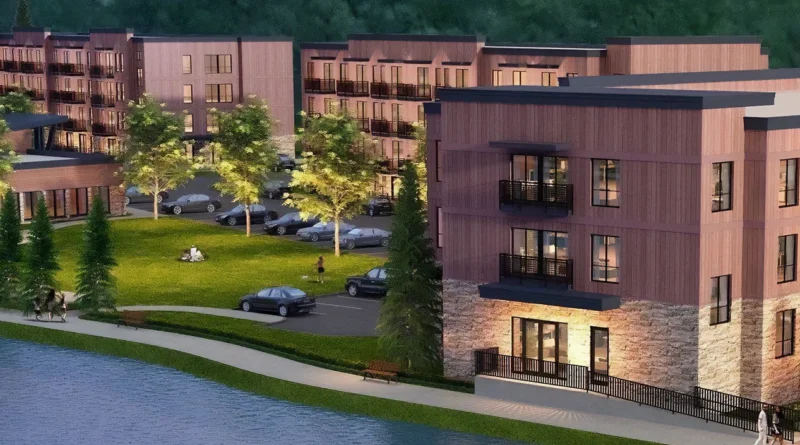
Unlocking Opportunities with EB5 Rural Projects: A Comprehensive Guide
For many international investors, the dream of living in the United States often feels caught in a web of bureaucracy and waiting lists. The path to a U.S. Green Card can be long and uncertain, especially for those from countries with high demand for visas. However, a specific category within the EB-5 Immigrant Investor Program has recently emerged as a powerful solution.
EB5 rural projects.
Since the EB-5 Reform and Integrity Act of 2022 (RIA), rural investments have become a strategic “fast lane.” While these projects focus on building infrastructure and hospitality in underserved American regions, they also represent a stable alternative to more volatile international markets. For instance, just as investors monitor how shipping sanctions are affecting Greece’s maritime industry, EB-5 investors are looking for “safe harbors” where legislative priority protects their capital and residency.
The EB-5 program was created to stimulate the U.S. economy through job creation and capital investment by foreign investors. While it has been a popular route for decades, recent legislative changes have shifted the spotlight toward rural areas. Investing in these less-populated regions offers unique advantages that urban projects simply cannot match. This guide explores how EB5 rural projects are transforming the immigration landscape, offering a faster, more affordable, and secure pathway to permanent residency in the United States. By understanding the nuances of these investments, you can make informed decisions that align with both your financial goals and your family’s future.
What Are EB5 Rural Projects?
To understand the value of these investments, we must first define what they are. In the context of the EB-5 program, a rural project is located in an area that falls outside a metropolitan statistical area (MSA) and has a population of fewer than 20,000 people according to the most recent decennial census. These specific geographic zones are classified as rural Targeted Employment Areas (TEAs).
The distinction between rural and urban projects is critical. Urban projects, often located in high-unemployment TEAs within major cities, have historically attracted the lion’s share of EB-5 capital. However, the EB-5 Reform and Integrity Act of 2022 (RIA) introduced significant incentives to direct capital toward rural economic development. While urban projects deal with high population density and competitive markets, rural initiatives focus on infrastructure, hospitality, and residential developments in underserved regions.
The significance of the rural TEA designation cannot be overstated. It is not merely a geographical label; it is a legislative tool designed to boost economic growth in areas that need it most. By channeling foreign investment into these communities, the program aims to create sustainable jobs where employment opportunities are often scarce. For investors, this designation unlocks specific benefits—primarily speed and cost savings—that are unavailable in standard urban investment scenarios.
Benefits of Investing in EB5 Rural Projects
The legislative updates from the RIA have made rural investments the most advantageous option for many foreign nationals. The incentives are designed to make these projects highly attractive compared to their urban counterparts.
Reduced Investment Threshold
One of the most immediate financial benefits is the lower capital requirement. To qualify for a Green Card through a standard non-TEA investment, an investor must contribute a minimum of $1,050,000. However, projects located within a rural TEA qualify for a reduced investment threshold of $800,000. This $250,000 difference is substantial, lowering the barrier to entry and allowing investors to preserve more of their capital for other uses.
Priority Processing
Perhaps the most compelling reason to choose a rural project is priority processing. The USCIS (United States Citizenship and Immigration Services) is mandated to prioritize the adjudication of I-526E petitions for rural investments. While standard processing can take years, investors in rural projects are seeing significantly faster turnaround times. Recent data suggests that some rural petitions are being adjudicated in under a year, a speed previously unheard of in the EB-5 world. This acceleration drastically reduces the time families spend in immigration limbo.
Reserved Visa Set-Asides
For investors from countries with severe visa backlogs, such as China and India, the reserved visa set-aside is a game-changer. The RIA allocates 20% of all annual EB-5 visas specifically for rural projects. This creates a dedicated “fast lane” that bypasses the overcrowded general visa queue. Even if the general category is retrogressed (backlogged), visas in the rural reserved category remain current, allowing investors and their families to proceed with their Green Card applications immediately upon I-526E approval.
Enhanced Job Creation Flexibility
Finally, rural projects often benefit from robust job creation metrics. Because these projects frequently involve significant construction and infrastructure development, they generate a high number of jobs per investor. The program allows for the counting of direct, indirect, and induced jobs. Indirect and induced jobs are calculated based on economic impact modeling rather than W-2 payroll records, providing a safer margin for meeting the 10-job requirement.
How EB5 Rural Projects Work
Navigating an EB-5 investment requires understanding the mechanisms behind the project. Most rural investments are structured through Regional Centers, which play a pivotal role in ensuring compliance and success.
Role of Regional Centers
The vast majority of EB5 rural projects are sponsored by Regional Centers—entities designated by USCIS to promote economic growth. Regional Centers are responsible for pooling funds from multiple investors to finance large-scale projects. They handle the complex regulatory burden, ensuring that the project complies with all USCIS rules. This oversight is crucial for investors who may not have the expertise to manage a direct investment business in a foreign country. Regional Centers also manage the flow of information, providing investors with the necessary documentation for their petitions.
Job Creation Requirements
The core requirement of the EB-5 program is the creation of at least 10 full-time jobs for U.S. workers for every investor. In the Regional Center model, this is achieved through economic modeling. Unlike direct investments, where you must hire 10 specific people, Regional Centers can count the economic ripple effects of the project. For example, spending on construction materials creates “indirect” jobs at the supply company, and the spending power of those new workers creates “induced” jobs in the local economy. This methodology makes it much easier for large rural infrastructure or resort projects to meet and exceed job creation mandates.
Investment Structure
Investments are typically structured as either a loan or an equity position.
- Loan Model: The Regional Center lends the pooled investor capital to a developer (the Job Creating Entity) at a specified interest rate for a fixed term (usually 5–7 years). The developer pays interest, and the loan is secured by collateral, such as the property itself. This is generally considered a lower-risk option with a defined exit strategy.
- Equity Model: Investors take an ownership stake in the project. Returns are based on the project’s profitability. While this offers potentially higher financial returns, it carries higher risk as there is no guaranteed repayment timeline.
Most rural projects favor the loan model, prioritizing the safety of capital and the certainty of the immigration process over high financial yields.
Top EB5 Rural Projects in 2026
The landscape of rural investments is diverse, ranging from hospitality to residential communities. Here are examples of the types of high-profile rural projects attracting attention in the current market.
Yellowstone Club Phase III (Montana)
Developments near the prestigious Yellowstone Club in Big Sky, Montana, have been flagship examples of rural EB-5 success. These projects often involve the construction of luxury lodges, hospitality venues, and residential units. The economic impact of such high-end development in a sparsely populated state is massive, generating job numbers that far exceed the requirements for the participating investors. The allure of Big Sky as a premier destination ensures ongoing economic activity, supporting the project’s long-term viability.
Lakefront Estates & Villas (Florida)
Located in Okeechobee, Florida, this project represents a residential community development designed to meet housing demands in a growing but rural area. Projects like these are attractive because they address tangible local needs—housing—while qualifying for rural benefits. With a track record of numerous I-526E approvals, this type of project demonstrates how residential construction in specific TEAs can provide a secure route to residency.
Long Cove (Texas)
Situated just an hour from Dallas, Long Cove is a master-planned luxury community. Despite its proximity to a major metroplex, it qualifies as rural, offering the best of both worlds: access to a strong urban economy and the benefits of a rural TEA designation. Investors are drawn to the stability of Texas real estate and the proven demand for second-home communities in the region.
Teton Outing Club (Idaho)
In Driggs, Idaho, the Teton Outing Club focuses on recreational and residential development near the Teton mountain range. This project capitalizes on the booming outdoor recreation industry. By developing amenities and housing in a high-tourism rural area, the project creates substantial employment through construction and ongoing operations, ensuring the necessary job creation buffer for EB-5 investors.
Key Considerations for Choosing EB5 Rural Projects
While the benefits are clear, not all rural projects are created equal. Due diligence is essential to protect both your capital and your immigration status.
Developer Track Record
The most critical factor in any real estate development is the team behind it. You must investigate the developer’s history. Have they completed similar projects before? Do they have a history of repaying loans? A developer with a pristine track record reduces the execution risk of the project. If the project stalls or fails to complete construction, the requisite jobs may not be created, jeopardizing your Green Card.
Job Creation Buffer
Never invest in a project that creates exactly 10 jobs per investor. Construction delays or budget changes can alter job counts. You should look for a “job creation buffer”—projects that are projected to create 15, 20, or more jobs per investor. A healthy buffer protects your immigration application against unforeseen economic shifts or changes in the project scope.
Exit Strategy
Immigration is the primary goal, but getting your $800,000 back is also important. You need to understand the project’s exit strategy. How will the developer repay the loan? Is repayment dependent on selling luxury condos, refinancing the completed property, or operating cash flow? Refinancing and sales are the most common exit strategies. Ensure the project’s valuation supports the repayment of the EB-5 loan.
TEA Designation
Always verify the rural status independently. The USCIS definition of rural is strict. If a location’s population has grown significantly or if zoning has changed, it might lose its rural designation. Ensure the project has a current, valid rural TEA letter or designation that will hold up during the I-526E adjudication process.
FAQs About EB5 Rural Projects
What qualifies as a rural EB5 project?
To qualify, a project must be located in an area that is not within a metropolitan statistical area (MSA) as designated by the Office of Management and Budget. Additionally, it must be within the outer boundary of a city or town with a population of fewer than 20,000 people based on the most recent decennial census. Both criteria must be met to secure the rural TEA designation.
How long does it take to get a Green Card through EB5 rural projects?
While processing times vary, rural projects currently enjoy the fastest processing in the industry due to the RIA’s priority processing mandate. Many investors are seeing I-526E petition approvals in 12 months or less. Once the petition is approved, if the visa is current (which is typical for the reserved rural category), investors can immediately apply for their conditional Green Card, either through Consular Processing or Adjustment of Status.
Can I invest in EB5 rural projects from outside the U.S.?
Yes, absolutely. The EB-5 program is specifically designed for foreign nationals. You do not need to be in the U.S. to invest or file your petition. In fact, many investors begin the process from their home country and only move to the U.S. once their immigrant visa is approved.
What are the risks associated with EB5 rural projects?
The primary risks are financial and immigration-related. Financial risk involves the potential loss of capital if the project fails commercially. Immigration risk involves the denial of the Green Card if the project fails to create the required jobs. Rural markets can sometimes be thinner than urban markets, meaning there may be less demand for the finished product (e.g., a hotel or housing). Thorough due diligence on the developer and market feasibility is the best way to mitigate these risks.
How do rural projects compare to urban EB5 projects?
Urban projects generally have higher investment minimums ($1.05M unless in a high-unemployment TEA) and do not qualify for priority processing. They also face longer visa backlogs, particularly for nationals from India and China. EB5 rural projects offer a lower investment amount ($800K), faster processing, and dedicated visas, making them superior for investors prioritizing speed and certainty.
Conclusion
The landscape of U.S. investment immigration has shifted decisively. By offering priority processing, set-aside visas, and a lower cost of entry, rural investments have become the premier pathway for foreign nationals seeking permanent residency. They solve the most significant pain points of the old system: long wait times and visa unavailability.
However, the “rural” label alone is not a guarantee of success. Investors must look beyond the designation and scrutinize the business fundamentals, the strength of the developer, and the safety of the capital structure. By combining the statutory advantages of rural TEAs with rigorous due diligence, you can secure your family’s future in the United States with confidence. Now is the time to consult with immigration counsel and financial advisors to explore which opportunities best align with your American dream.


