A Malaysian Guide to Visiting Osaka on a Budget
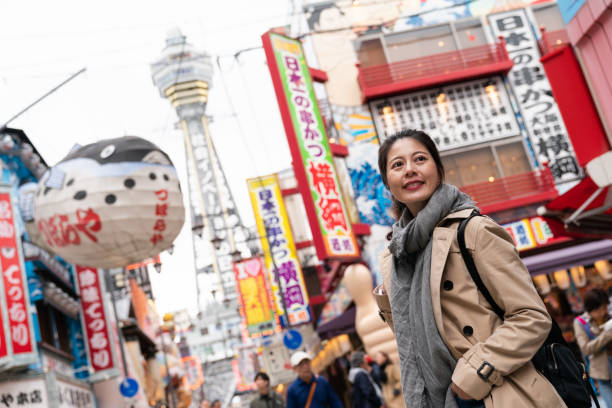
Osaka has steadily built a reputation as one of the more budget-friendly major Japanese cities, with cheaper accommodation than Tokyo, comparable transit costs, and a famously strong cheap-eats culture that lets visitors eat well on a far smaller daily food spend. For travellers based in Malaysia, the combination of direct flights to Kansai, a favourable yen-to-ringgit rate in 2026, and the high concentration of attractions within a manageable area makes a five- to seven-day Osaka-focused trip one of the better-value Japan options. Settling the bigger anchor decisions early — particularly the flight slot, the hotel district, and the USJ ticket price from Malaysia for the theme park day — keeps the rest of the budget flexible.
Flights and the Cheapest Booking Windows
AirAsia X operates daily direct flights between KLIA and Kansai International, with return economy fares typically running RM1,800 to RM3,400 depending on season and booking window. The cheapest tickets surface during the school-holiday shoulder weeks rather than the peak windows. Cherry blossom season from late March through mid-April adds RM800 to RM1,500 to the typical fare, and autumn foliage in November runs similar premium pricing. Winter departures in January and early February typically deliver the lowest flight cost combined with a different — but still rewarding — Osaka experience.
Cheap Accommodation Districts
Three districts deliver budget-friendly stays. Tennoji on the south side of Osaka hosts a strong cluster of business hotels and capsule properties at JPY 6,500 to JPY 12,000 per night (RM195 to RM360), with direct access to the JR Loop Line and the airport limited express. Shinsaibashi and Namba in central Osaka run JPY 11,000 to JPY 18,000 per night (RM330 to RM540) for mid-range business hotels — slightly more expensive but with immediate proximity to the famous food districts. Shin-Osaka near the bullet train station works well for travellers planning multiple day trips at JPY 8,000 to JPY 14,000 per night (RM240 to RM420).
Eating Well on a Small Daily Budget
The food strategy is what makes Osaka particularly favourable for budget travellers. Counter ramen shops across the city run JPY 800 to JPY 1,200 (RM24 to RM36) for a bowl. Takoyaki stalls in Dotonbori cost around JPY 800 (RM24) for a tray of eight. Standing-only sushi bars deliver fresh fish at JPY 1,400 to JPY 2,800 per visit (RM42 to RM84) rather than the JPY 6,000-plus prices at sit-down restaurants. Conbini meals from 7-Eleven, Lawson, or FamilyMart cost JPY 400 to JPY 800 (RM12 to RM24) and remain genuinely good. A budget traveller can eat well on JPY 2,500 to JPY 4,000 per day (RM75 to RM120) without sacrificing experience.
Transit and the Osaka Amazing Pass
The Osaka Amazing Pass at JPY 2,800 (RM84) for one day or JPY 3,600 for two days covers unlimited subway and bus rides plus free entry to twenty-plus attractions including Osaka Castle, the Umeda Sky Building observation deck, the Tempozan Ferris Wheel, and several smaller museums. For travellers planning two or three attraction-heavy days, the pass typically pays back within the first half-day. The JR Loop Line works well for day trips to Kyoto, Nara, and Kobe at roughly JPY 800 to JPY 1,200 (RM24 to RM36) per one-way trip outside the bullet train premium.
The USJ Day and Ticket Strategy
For families committing one day to Universal Studios Japan, the standard adult day pass runs roughly RM300 to RM390 — the largest single attraction cost in an otherwise budget-friendly trip. The USJ ticket price from Malaysia booked online before departure typically beats the gate price and locks in the date during peak windows. Express pass add-ons that meaningfully cut queue times sell out fastest for weekends and Japanese school holidays. Families on tighter budgets sometimes visit on a weekday during normal school terms with the base ticket only, accepting longer waits at Super Nintendo World in exchange for skipping the Express add-on.
Day Trips That Fit a Budget
Three day trips work well from an Osaka base on a budget. Nara is forty-five minutes away by JR Loop Line and Yamatoji line at JPY 800 (RM24) one-way, with Todai-ji Temple entry at JPY 600 (RM18) and the deer park free to access. Kyoto by Hankyu line takes thirty minutes at JPY 410 (RM12) and covers Fushimi Inari Shrine, Kinkaku-ji, and Gion across a full day. Kobe is twenty-five minutes away by Hanshin train at JPY 300 (RM9) and pairs the harbour with the small Nankinmachi Chinatown district.
Booking the Trip Cleanly
For Malaysian visitors paying in MYR, Traveloka tends to be the most practical platform because flights, hotels, USJ entry, and Kansai-area transit passes sit in one search with ringgit pricing at checkout, accepting FPX, Boost, GrabPay, and Touch n Go. The USJ ticket price from Malaysia is shown directly in ringgit rather than requiring conversion at the payment step. Compared with Agoda, which leads with hotel inventory, or Trip.com, which weights its catalogue toward Greater China but tends to default to JPY at the credit-card payment layer, the Southeast Asian platform delivers a cleaner ringgit booking flow.
A Sample Five-Day Budget Breakdown
A solo budget traveller flying from KL to Osaka for five days typically lands at RM4,500 to RM7,500 inclusive of return flight, four nights at a Tennoji or Shin-Osaka business hotel, USJ entry, daily food at the cheap-end of the range, transit passes, and one to two day trips. A two-person trip scales to roughly RM7,500 to RM12,500 across the same template. The single biggest savings lever remains booking the bigger anchor items — flights, accommodation, USJ entry, and transit passes — through a single trusted Southeast Asian platform that handles ringgit pricing cleanly from start to finish.
Final Thoughts
A budget-conscious Osaka trip rewards careful pre-trip planning more than spontaneity, but the city itself is genuinely friendly to lighter spending without requiring sacrifice on the quality of food or accommodation. The combination of cheaper hotels than Tokyo, a strong street food scene that costs less than nearly any other major Asian capital, and the manageable distance to Kyoto, Nara, and Kobe produces a balanced trip that suits both first-time Japan visitors and experienced returnees on a tighter budget.