
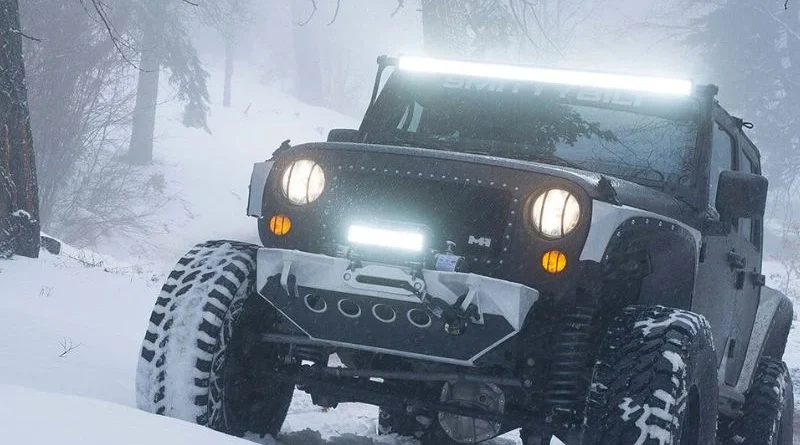
A Complete Guide to Choosing the Right Jeep Wrangler Headlights
Jeep Wrangler headlights are an important part of the vehicle’s safety, functionality, and distinctive appearance. Whether you drive a Wrangler for daily commuting, weekend road trips, or demanding off-road adventures, the right headlights can help improve visibility and make nighttime driving more comfortable. With options ranging from traditional halogen bulbs to modern LED assemblies and projector-style designs, choosing the right lighting system requires careful consideration of performance, compatibility, durability, and style.
Upgrading your headlights can also refresh the appearance of your Wrangler while helping you adapt its lighting to your driving environment. However, not every aftermarket product delivers the same results. Understanding headlight technologies, comparing product specifications, and confirming vehicle fitment can help you make a practical investment that supports reliable performance over time.
Why Jeep Wrangler Headlights Matter
Headlights help drivers identify obstacles, recognize road markings, and see pedestrians, animals, and other vehicles in low-light conditions. Their performance becomes especially important on rural roads, poorly lit highways, and off-road trails where visibility may change quickly.
For Jeep Wrangler owners, headlights must also suit the vehicle’s intended use. A Wrangler used primarily for city driving may benefit most from a well-controlled beam pattern and dependable everyday performance. Drivers who frequently explore remote trails may place greater emphasis on durability, weather resistance, and compatibility with additional off-road lighting.
When comparing Jeep Wrangler Headlights, consider the complete lighting assembly rather than focusing exclusively on brightness or exterior design. Effective illumination depends on the interaction between the light source, reflector or projector optics, lens, and alignment. A properly engineered headlight should illuminate the road usefully while limiting glare for other drivers.
Understanding the Different Types of Jeep Wrangler Headlights
Before selecting an upgrade, it is helpful to understand the main lighting technologies available.
Halogen Headlights
Halogen headlights use a heated filament to produce light. They are widely available, generally affordable, and familiar to many vehicle owners.
Their primary advantage is their relatively low replacement cost. However, halogen bulbs typically consume more electrical power than LEDs for comparable light output and often have a shorter operating life.
Halogen replacements may be suitable for Wrangler owners who want an economical repair or prefer to retain the original lighting configuration.
LED Headlights
LED headlights use light-emitting diodes to generate illumination. They have become a popular upgrade because they can combine energy efficiency, long operating life, and modern styling.
Many LED assemblies offer integrated daytime running lights, distinctive internal designs, and durable housings. Their actual road performance, however, depends on optical engineering, thermal management, and beam control.
A complete LED replacement assembly designed for the specific Wrangler application can be a practical choice. Simply installing an LED bulb into a housing designed for halogen lighting may produce poor beam distribution or excessive glare, so compatibility is essential.
HID Headlights
High-intensity discharge headlights, sometimes called xenon headlights, generate light through an electrical arc. Depending on the system, they can provide strong illumination for nighttime driving.
HID systems may require compatible ballasts, wiring, and optical components. Their installation can therefore be more complex than replacing a conventional bulb or fitting a compatible complete assembly.
Before choosing HID lighting, compare the installation requirements, maintenance considerations, beam quality, and road-use approval.
Projector-Style Headlights
Projector headlights use lenses and internal optical components to direct light toward the road. Depending on the design, they can produce a defined beam cutoff and controlled illumination.
Projector-style assemblies may use halogen, HID, or LED light sources. The projector label alone does not guarantee better visibility; the quality of the entire assembly determines the result.
For drivers prioritizing controlled illumination, reviewing reliable beam-pattern information is more useful than judging a headlight by appearance alone.
Key Factors to Consider When Choosing Headlights
The best headlights for a Jeep Wrangler depend on the vehicle’s specifications, the driver’s priorities, and the conditions in which the vehicle is used.
1. Model Year and Fitment
Jeep Wrangler models have changed over time, and headlight dimensions, connectors, mounting arrangements, and electrical systems can differ between generations and configurations.
Confirm the exact model, year, and trim before purchasing. Wrangler JK and Wrangler JL models, for example, should not be assumed to use interchangeable headlight assemblies. Verify the manufacturer’s fitment information and determine whether adapters or additional hardware are required.
Correct fitment helps simplify installation and reduces the likelihood of loose mounting, electrical incompatibility, or poor alignment.
2. Brightness and Beam Pattern
A high advertised lumen rating does not necessarily mean a headlight will illuminate the road effectively. Lumens measure total light output, but they do not explain how that light is distributed.
Look for a headlight that provides even illumination, a useful low-beam cutoff, and adequate forward visibility. Properly designed high beams should illuminate farther ahead when conditions allow their use.
Avoid products that produce excessive glare or bright patches without improving visibility across the road. A balanced beam pattern is generally more valuable than an impressive brightness claim alone.
3. Durability and Weather Resistance
Wranglers are often driven in environments where lighting equipment can encounter rain, mud, dust, vibration, and temperature changes. The housing, lens, seals, and mounting hardware should be appropriate for the intended driving conditions.
If you frequently travel off-road, check the product’s published weather-resistance ratings and construction details. Effective sealing can help reduce moisture intrusion, while secure mounting can limit vibration-related problems.
No headlight should be assumed to withstand every condition simply because it is marketed for off-road use. Review the manufacturer’s specifications and warranty carefully.
4. Energy Efficiency and Service Life
LED headlights can offer lower power consumption and longer operating life than conventional halogen bulbs. These characteristics may reduce replacement frequency and provide convenient long-term operation.
Nevertheless, performance varies by product. Heat dissipation, driver electronics, environmental exposure, and overall build quality can all affect service life.
Compare technical specifications and warranty coverage instead of relying solely on generalized claims about LED longevity.
5. Design and Appearance
Headlights are a prominent visual feature of the Jeep Wrangler. Aftermarket designs may include black housings, chrome accents, integrated daytime running lights, and distinctive illumination patterns.
Choose a style that complements your Wrangler’s grille, bumper, wheels, and other modifications. A coordinated design can make the vehicle look more contemporary while preserving its recognizable character.
Appearance should still be balanced with functional performance, reliable construction, and compliance with road regulations.
6. Legal Compliance
Headlight regulations vary by jurisdiction. Requirements may cover light color, beam pattern, intensity, equipment approval, and permitted use.
Some products are designed specifically for off-road applications and may not be legal for public-road driving. Confirm that your chosen headlights meet the requirements in your location, and make sure the beam is correctly aimed after installation.
Choosing Jeep Wrangler Headlights for Your Driving Style
Different driving environments create different lighting priorities.
<escape></escape>Daily commuting: Prioritize consistent illumination, a controlled low beam, reliable operation, and straightforward maintenance. A well-designed replacement assembly can improve the driving experience without unnecessary modifications.
Highway and rural driving: Look for headlights with effective forward visibility and a useful high-beam pattern. Proper alignment is particularly important on unlit roads, where poorly aimed lights can reduce visibility or distract other motorists.
Off-road adventures: Durability, secure mounting, and resistance to moisture and vibration become especially important. Auxiliary driving lights may be useful in appropriate off-road settings, but they should complement rather than replace compliant road headlights.
Appearance-focused customization: Consider housing finishes, integrated lighting features, and how the headlight design fits with other exterior upgrades. Make sure that styling features do not compromise light distribution or road legality.
How to Install Jeep Wrangler Headlights
Installation procedures depend on the Wrangler generation and the replacement product. Some assemblies are designed for direct replacement, while others may require adapters, additional wiring, or specialized tools.
Step 1: Confirm Compatibility and Prepare
Check that the replacement assembly is intended for your specific Wrangler model and year. Review the installation instructions, verify that all required components are included, and prepare the necessary tools.
Park on a level surface, switch off the ignition and lighting system, and follow the manufacturer’s electrical safety guidance.
Step 2: Remove the Existing Assembly
Access the headlight housing according to the vehicle service instructions. Depending on the design, you may need to remove trim pieces, retaining rings, or mounting screws.
Keep the fasteners organized and avoid pulling forcefully on the wiring. If a component does not release as expected, consult the installation guide before proceeding.
Step 3: Connect the New Headlights
Connect the replacement assembly using the specified wiring connectors or adapters. Ensure the connections are secure and route the wires away from sharp edges, moving components, and hot surfaces.
Avoid improvised wiring modifications. If the new system requires additional electrical components or modifications beyond your experience, consider professional installation.
Step 4: Secure and Test the Assembly
Position the headlight correctly and reinstall the required mounting hardware. Check that the housing sits securely and that no wires are trapped or pinched.
Test the low beams, high beams, and any integrated daytime running lights or turn signals. Look for flickering, warning messages, or other unexpected behavior.
Step 5: Adjust Headlight Alignment
Headlight aiming is essential for safe operation. Even a powerful lighting system may perform poorly if the beam points too high, too low, or away from the intended driving area.
Follow the vehicle manufacturer’s aiming procedure or have a qualified technician make the adjustment. Recheck alignment after suspension modifications or repairs that affect ride height.
Common Mistakes to Avoid
Choosing or installing headlights without checking a few important details can lead to unnecessary costs and disappointing performance.
- Buying without confirming fitment: Headlights that look similar may use different mounts or connectors.
- Choosing only by advertised brightness: A high lumen rating does not guarantee a useful beam pattern.
- Ignoring electrical compatibility: Some upgrades require adapters or additional components.
- Overlooking weather resistance: Poorly sealed assemblies may develop moisture or corrosion problems.
- Skipping alignment: Incorrectly aimed headlights can impair visibility and create glare.
- Assuming all aftermarket products are road legal: Always verify the applicable approval requirements.
- Neglecting warranty and support: Clear product documentation and dependable after-sales assistance can be valuable if problems arise.
Maintenance Tips for Better Headlight Performance
Regular inspections can help maintain visibility and extend the useful life of a headlight assembly. Clean the lenses with suitable automotive products and check for cracks, damaged seals, loose fasteners, or condensation inside the housing.
After off-road trips, remove mud and debris that may obstruct the light output. If the headlights begin flickering or operating intermittently, inspect the electrical connections and consult the manufacturer’s troubleshooting guidance.
Periodically check the beam alignment, especially after suspension changes, front-end repairs, or other modifications that may affect vehicle height. Keeping the headlights clean, secure, and correctly aimed helps maintain consistent performance.
Conclusion
Choosing the right Jeep Wrangler headlights involves balancing visibility, durability, compatibility, appearance, and regulatory requirements. Halogen, LED, HID, and projector-style systems each offer different characteristics, so the best choice depends on your Wrangler’s specifications and how you use the vehicle.
By verifying model-year fitment, comparing beam quality, reviewing construction and electrical requirements, and ensuring correct installation, you can select a lighting system that meets your needs. A carefully chosen and properly aligned headlight upgrade can refresh your Jeep’s appearance while supporting safer, more confident driving in low-light conditions.


