
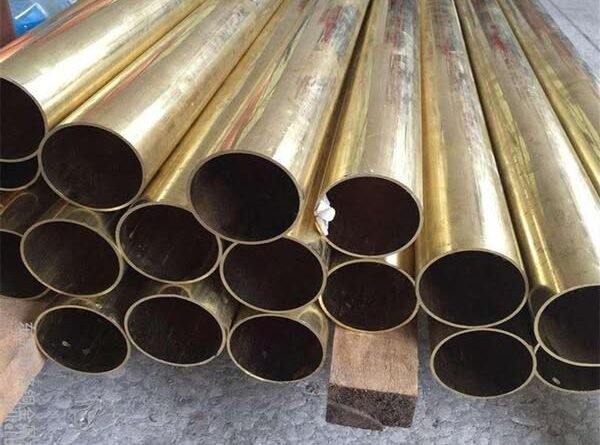
How Decorative Steel Pipe Adds Style and Durability to Modern Projects
Modern architecture increasingly treats structural and functional components as part of the overall visual experience. Railings, furniture frames, display systems, partitions, and exterior features are expected to perform reliably while contributing to a coordinated design. Metal tubing is especially useful in these settings because it can be formed into clean lines, geometric arrangements, and distinctive details without sacrificing practical strength.
Designers often specify Decorative Steel Pipe when a project requires a combination of visual appeal and the dependable characteristics of steel. Available in different shapes, dimensions, finishes, and surface treatments, decorative pipe can serve as both a visible design element and a functional component. Choosing the right product requires attention to appearance, mechanical requirements, fabrication methods, and the environment in which it will be installed.
The Role of Steel Pipe in Contemporary Design
Steel pipe offers a strong and adaptable foundation for many architectural and interior applications. Its hollow construction can provide useful strength relative to material weight, while its round, square, and rectangular profiles create different visual effects.
Round profiles often suit handrails, furniture legs, tubular frames, and curved design features. Square and rectangular sections can create a more structured appearance in partitions, shelving, and architectural screens. The choice should reflect both the design language and the loads the component must carry.
Decorative tubing is not simply ordinary pipe with an attractive surface. Product dimensions, straightness, weld quality, surface consistency, and finishing requirements can all affect the final appearance.
Finishes That Influence the Finished Look
Surface finish is one of the most noticeable characteristics of decorative steel pipe. Polished surfaces can produce a reflective appearance suited to contemporary interiors, retail displays, and furniture. Brushed finishes offer a softer visual effect and may help reduce the visibility of minor handling marks.
Painted or powder-coated surfaces provide access to a wider range of colors. They can also add a protective layer, provided the coating system is appropriate for the intended exposure. For exterior installations, designers should consider ultraviolet exposure, moisture, temperature variation, and the possibility of scratches.
Some projects use a natural metal appearance to emphasize an industrial aesthetic. In such cases, the surface may require clear protective treatment or a maintenance plan to manage oxidation and staining.
Where Decorative Pipe Is Commonly Used
In residential architecture, decorative steel pipe can appear in stair railings, balcony barriers, furniture, shelving, door details, and room dividers. Its ability to create slender profiles makes it useful where a design needs visual openness without relying on bulky components.
Commercial spaces use decorative tubing for reception desks, retail fixtures, restaurant furniture, display structures, and decorative screens. These elements may experience frequent contact, so surface durability and ease of cleaning become important considerations.
Outdoor applications include gates, fences, pergolas, landscape structures, and selected façade features. Corrosion protection should be selected according to the exposure conditions. A finish designed for a dry interior may not provide sufficient protection in a coastal or industrial environment.
Fabrication and Installation Considerations
The appearance of a finished installation depends heavily on fabrication quality. Accurate cutting, consistent joints, controlled welding, and careful grinding help create clean transitions between components. Poorly finished welds or uneven alignment can undermine an otherwise attractive design.
Designers should coordinate with fabricators early, especially when the project includes bends, mitred joints, complex assemblies, or concealed connections. Not every pipe grade or wall thickness is equally suitable for every forming process.
Installation details also deserve attention. Fixings, brackets, end caps, drainage openings, and connection points should be designed to suit the material and location. For load-bearing or safety-related elements, a qualified professional should verify dimensions and structural performance.
Selecting a Suitable Product
Start by identifying the pipe profile, outside dimensions, wall thickness, steel grade, length, and dimensional tolerances. Then specify the finish, color, surface quality, and any required protection against corrosion.
Ask suppliers about available production sizes, sample finishes, inspection procedures, and packaging. Decorative products can be vulnerable to scratches and dents during transportation, so protective handling is particularly important when appearance is a major acceptance criterion.
If the pipe will be welded, polished, painted, or otherwise processed after delivery, confirm that its surface condition and material composition are compatible with the planned work.
Bringing Appearance and Performance Together
Decorative steel pipe allows project teams to integrate practical metal components into a broader design concept. Its versatility supports everything from understated furniture frames to prominent architectural features.
The best results come from treating appearance and engineering as connected requirements. By choosing appropriate dimensions, finishes, fabrication methods, and corrosion protection, designers can create installations that remain attractive while fulfilling their intended function.