Understanding Belt Conveyor Systems: Applications, Benefits, and Industrial Selection Factors
Belt conveyor systems are essential components of modern industrial material handling. They provide an efficient way to transport bulk materials and individual products across manufacturing plants, warehouses, mining sites, and port facilities. By creating a continuous transportation process, these systems help businesses reduce manual handling, improve workflow coordination, and maintain consistent production output.
As industrial operations become more demanding, selecting the right Belt Conveyor system has become increasingly important. Equipment design, transportation capacity, material characteristics, and installation conditions all influence overall performance. Understanding these factors helps businesses choose suitable conveyor solutions that meet their operational requirements without increasing unnecessary costs.
What Is a Belt Conveyor System?
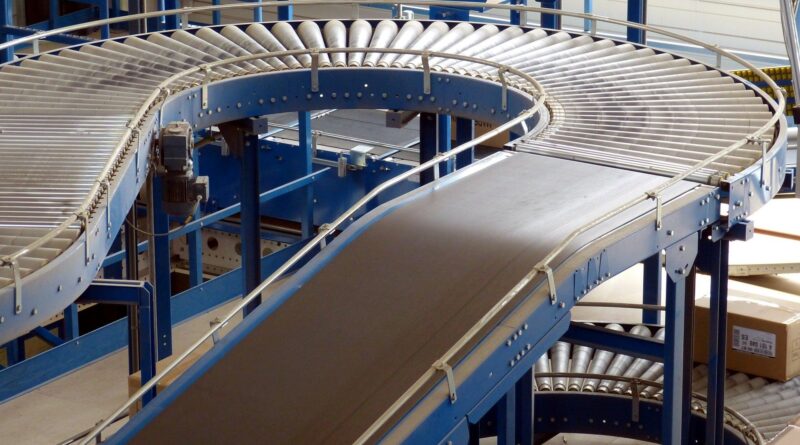
A belt conveyor is a mechanical transportation system that uses a continuous moving belt to carry materials from one location to another. The belt typically runs over pulleys and supporting rollers, with an electric motor providing the power needed for movement.
Depending on the application, conveyor belts can be manufactured from rubber, PVC, fabric-reinforced materials, or other specialized compounds.
Industrial systems can be designed for horizontal transportation, inclined movement, or long-distance material transfer. Their configurations vary according to the type of material being handled and the layout of the facility.
How Belt Conveyor Systems Work
A typical belt conveyor consists of several interconnected components that work together to maintain continuous material movement.
The main components include:
- Conveyor belt: The moving surface that carries materials along the transportation route.
- Drive pulley: Transfers motor power to the belt and controls its movement.
- Idler rollers: Support the belt and help maintain its alignment.
- Electric motor: Supplies the mechanical power required for operation.
- Take-up system: Maintains appropriate belt tension.
- Loading and discharge points: Allow materials to enter and leave the conveyor.
- Support structure: Provides stability and holds the conveyor components in position.
When the motor activates the drive pulley, the belt begins moving along its supporting structure. Materials placed on the loading section travel toward the designated discharge point.
Proper alignment, tension, and loading conditions are essential for reliable performance.
Major Industrial Applications of Belt Conveyors
Belt conveyors are used across numerous industries because they can accommodate different material types and transportation requirements.
1. Mining and Mineral Processing
Mining operations frequently need to transport large quantities of extracted materials over considerable distances.
Belt conveyors are commonly used to move coal, limestone, iron ore, gravel, and other minerals between extraction points, crushers, processing equipment, and storage areas.
Heavy-duty designs can handle substantial loads while reducing the need for repeated transportation using mobile equipment.
2. Cement and Construction Industries
Cement plants use belt conveyors to transport raw materials and processed products throughout manufacturing facilities.
Common applications include moving limestone, clinker, aggregates, and other materials between storage areas and processing equipment.
Their continuous operation helps maintain a steady supply of materials to different production stages.
3. Ports and Bulk Terminals
Ports rely on efficient material transportation systems to handle cargo moving between ships, storage yards, and transportation facilities.
Belt conveyors can connect ship loaders, unloading equipment, transfer towers, and storage systems.
Their ability to transport large material volumes makes them valuable for handling grain, coal, fertilizers, and mineral products.
4. Agriculture and Food Processing
Agricultural facilities use conveyor systems to move grains, seeds, animal feed, and other products during processing and storage.
In food production environments, conveyor belts must meet appropriate hygiene requirements and be manufactured from materials suitable for contact with the products being handled.
5. Warehousing and Manufacturing
Belt conveyors also support the movement of packaged goods, cartons, components, and finished products.
They can connect different workstations and help streamline production, packaging, sorting, and distribution activities.
Key Benefits of Industrial Belt Conveyor Systems
Continuous Material Transportation
One of the main advantages of belt conveyors is their ability to transport materials continuously.
Unlike methods that depend on repeated loading and unloading using vehicles or manual labor, conveyor systems maintain a consistent transportation route.
This helps reduce interruptions and supports higher production efficiency.
Reduced Labor Requirements
Automated belt conveyors minimize the need for employees to move materials manually between different locations.
Operators can supervise equipment performance while focusing on other production responsibilities.
This can improve workforce productivity and reduce the physical demands associated with repetitive material handling.
High Transportation Capacity
Industrial belt conveyors can be designed to handle substantial material volumes.
Their carrying capacity depends on belt width, speed, material density, loading conditions, and conveyor configuration.
Properly designed systems can support continuous operations in facilities with demanding production schedules.
Flexible Installation Options
Belt conveyor systems can be customized according to available installation space and transportation requirements.
They can be configured for horizontal movement, inclined transportation, and long-distance applications.
This flexibility allows businesses to integrate conveyor systems into existing industrial infrastructure.
Lower Material Handling Costs
By reducing manual transportation and unnecessary equipment movement, belt conveyors can help control operating expenses.
They may also reduce dependence on forklifts, loaders, and other mobile handling equipment for suitable transportation tasks.
Over time, efficient conveyor operation can contribute to lower labor requirements and improved equipment utilization.
Different Types of Belt Conveyor Systems
Not every industrial application requires the same conveyor configuration. Several designs are available to accommodate different operating conditions.
Flat Belt Conveyors
Flat belt conveyors use a level belt surface to transport packages, components, and suitable bulk materials.
They are commonly found in manufacturing facilities, warehouses, and distribution centers.
Troughed Belt Conveyors
Troughed conveyors use specially arranged idler rollers to form a curved belt profile.
This design helps contain loose bulk materials and reduces the likelihood of material spillage during transportation.
They are widely used in mining, cement production, and bulk terminal operations.
Inclined Belt Conveyors
Inclined systems move materials between different elevations.
The conveyor angle and belt surface must be selected according to material characteristics to prevent backward movement or product loss.
Heavy-Duty Belt Conveyors
Heavy-duty conveyors are designed for demanding industrial applications involving high loads, abrasive materials, and extended operating periods.
They typically use reinforced belts, robust support structures, and durable drive components.
Portable Belt Conveyors
Portable conveyors can be moved between different work areas when transportation requirements change.
They are useful in construction, agricultural handling, temporary loading operations, and facilities requiring flexible material movement.
Important Factors When Selecting a Belt Conveyor
Choosing an appropriate conveyor requires more than determining its length and width. Several technical considerations influence performance and service life.
1. Material Characteristics
The properties of transported materials should be evaluated before selecting a belt.
Important considerations include:
- Particle size and shape.
- Bulk density and material weight.
- Moisture content.
- Abrasiveness and corrosiveness.
- Operating temperature.
- Tendency to stick or generate dust.
For example, abrasive materials require wear-resistant belt surfaces, while materials exposed to moisture may need specialized belt compounds.
2. Required Conveying Capacity
The conveyor must handle the facility’s expected material throughput without creating bottlenecks.
Capacity calculations should consider belt width, operating speed, material density, and loading cross-section.
It is also useful to account for peak production demand and possible future capacity increases.
3. Conveyor Length and Inclination
Transportation distance affects drive power requirements, belt tension, and overall system design.
Inclined installations require additional attention because material may slide backward if the belt surface and operating angle are unsuitable.
A proper engineering assessment helps determine the appropriate configuration.
4. Operating Environment
Industrial conveyors may operate in environments involving dust, moisture, extreme temperatures, chemicals, or outdoor weather exposure.
The belt material, structural components, electrical equipment, and protective systems should be suitable for these conditions.
5. Maintenance and Component Availability
Maintenance requirements have a direct influence on long-term operating costs.
Businesses should evaluate belt replacement procedures, roller accessibility, drive component durability, and the availability of spare parts.
A system designed for convenient inspection and maintenance can help reduce downtime.
Maintenance Practices for Reliable Conveyor Performance
Regular maintenance helps prevent mechanical failures and extends the service life of belt conveyor systems.
A practical inspection schedule should include:
- Belt alignment checks: Identify tracking problems that may cause edge damage or material spillage.
- Roller inspections: Check for worn, damaged, or seized idlers.
- Belt tension monitoring: Maintain suitable tension to prevent slipping and excessive mechanical stress.
- Drive system inspections: Examine motors, pulleys, bearings, and gearboxes.
- Cleaning procedures: Remove accumulated material from belts and transfer points.
- Safety system testing: Confirm that emergency stops and protective devices operate correctly.
Maintenance frequency should reflect operating hours, material characteristics, and manufacturer recommendations.
The Role of Automation in Modern Belt Conveyors
Automation is improving the way industrial conveyor systems operate and are monitored.
Modern installations can incorporate variable-frequency drives, programmable logic controllers, sensors, and centralized monitoring platforms.
These technologies allow operators to adjust belt speeds, monitor motor loads, detect alignment problems, and coordinate multiple conveyors.
Predictive maintenance systems can also analyze operating data to identify unusual vibration, temperature changes, or other signs of developing mechanical problems.
Such capabilities help improve equipment availability and support more efficient production planning.
Safety and Environmental Considerations
Industrial belt conveyors contain moving components that can create risks if they are not properly designed, installed, and maintained.
Suitable safety arrangements include emergency stop switches, protective guards, pull-cord systems, warning devices, and appropriate access platforms.
Environmental considerations are equally important when handling bulk materials.
Enclosed transfer points, suitable dust collection systems, belt cleaners, and properly designed loading arrangements can help minimize airborne particles and material spillage.
Facilities should also follow applicable machinery safety standards and provide regular employee training.
Conclusion
Belt conveyor systems play a significant role in modern industrial material handling by providing continuous transportation, high carrying capacity, and flexible installation options. Their applications extend across mining, cement manufacturing, agriculture, ports, warehousing, and general production facilities.
Selecting the right system requires careful evaluation of material characteristics, conveying capacity, transportation distance, operating conditions, and maintenance requirements.
When combined with appropriate automation, preventive maintenance, and safety measures, a well-designed belt conveyor can improve productivity, reduce material handling expenses, and support reliable long-term industrial operations.