
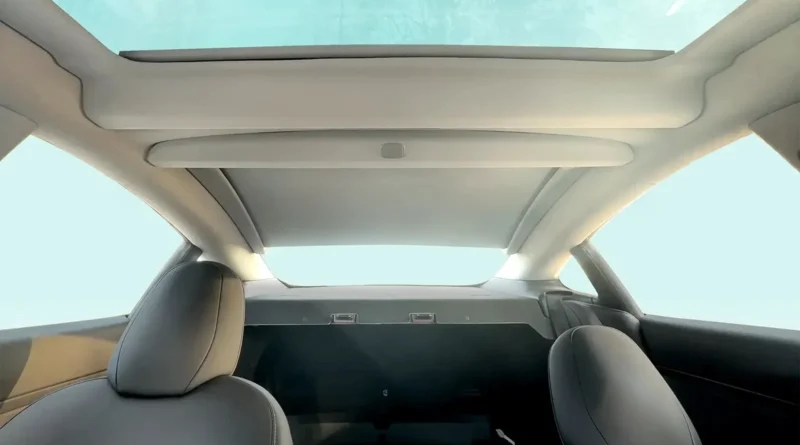
How a Tesla Model 3 Sunshade Helps Reduce Heat and Protect the Interior
The Tesla Model 3 features a sleek design, a spacious cabin, and a large glass roof that creates a bright, open driving environment. However, when the vehicle is parked under direct sunlight, heat can build up inside the cabin, making it less comfortable for drivers and passengers. Prolonged sun exposure may also contribute to the gradual fading or deterioration of certain interior materials. Choosing practical accessories can help address these concerns and improve the overall ownership experience.
A well-designed Tesla Model 3 Sunshade can help limit direct sunlight entering through the covered glass areas, support a more comfortable cabin environment, and reduce exposure to sunlight. The right shade can be especially useful for drivers who regularly park outdoors, commute during sunny hours, or live in regions with warm climates. Understanding how sunshades work and what features to look for can help Tesla owners make an informed purchasing decision.
Why Heat Builds Up Inside a Tesla Model 3
Like other vehicles with extensive glass surfaces, the Tesla Model 3 can absorb solar energy when parked in direct sunlight. Sunlight passes through the windows and roof glass, warming interior surfaces such as seats, dashboards, and trim. These surfaces can then contribute to the overall heat buildup inside the cabin.
Several factors influence how hot the interior becomes:
- Outdoor temperature: Higher ambient temperatures can make cabin heat more difficult to manage.
- Sunlight intensity: Strong direct sunlight can increase the amount of solar energy entering the vehicle.
- Parking duration: A vehicle left in the sun for an extended period has more time to accumulate heat.
- Glass coverage: Large glass surfaces allow sunlight to reach a substantial portion of the interior.
- Interior materials: Different surfaces absorb and retain heat at different rates.
Although the Model 3 includes climate-control features designed to maintain passenger comfort, reducing solar exposure can be a useful additional measure when the vehicle is parked.
How a Tesla Model 3 Sunshade Helps Reduce Heat
1. Limits Direct Sunlight Through the Glass Roof
The Model 3’s glass roof contributes to its distinctive appearance and open cabin feel. However, direct sunlight entering through the roof can warm interior surfaces, particularly during the hottest parts of the day.
A properly fitted roof sunshade creates an additional layer between the glass and the cabin. Depending on the material and design, it can reflect or filter some incoming sunlight, helping reduce direct solar exposure.
The result may be a more comfortable cabin environment when returning to a parked vehicle. Actual performance depends on the shade’s construction, coverage, and outdoor conditions.
2. Helps Reduce Solar Heat Absorption
A sunshade can help limit the amount of solar energy reaching covered interior surfaces. Reflective materials are designed to redirect some incoming sunlight, while mesh and fabric options can reduce the intensity of direct light.
Different designs offer different levels of protection, so it is worth reviewing the manufacturer’s specifications before buying. A product that covers the intended glass area effectively may provide more practical benefits than one that leaves significant gaps.
A sunshade will not eliminate heat buildup completely, but it can complement other measures used to manage cabin temperature.
3. May Help Manage Climate-Control Demand
When a parked vehicle becomes hot, its climate-control system may need to work harder to bring the cabin to a comfortable temperature. Reducing the sunlight entering through covered areas may help moderate some of that heat gain.
The potential benefit varies with weather, shade design, parking conditions, and the duration of exposure. It should not be assumed that installing a sunshade will produce a specific energy saving or temperature reduction unless supported by relevant testing.
For Tesla owners, a sunshade is best viewed as one part of a broader approach to managing cabin comfort rather than a replacement for the vehicle’s climate-control system.
Protecting the Tesla Model 3 Interior From Sun Exposure
Heat is only one consideration when protecting a vehicle’s interior. Sunlight can also affect materials over time, especially when surfaces are repeatedly exposed to strong light.
Reducing Exposure to Seats and Trim
Depending on the shade’s position and coverage, it may help limit direct sunlight reaching parts of the cabin. Reducing repeated exposure can support the long-term care of covered materials.
This is particularly relevant for owners who park outdoors regularly or leave their vehicles in uncovered parking spaces during the workday.
However, a roof shade does not protect every interior surface. Sunlight can still enter through side and rear windows, so owners concerned about broader coverage should consider which areas are most exposed and whether additional compatible shades are appropriate.
Supporting Long-Term Interior Maintenance
Maintaining a vehicle’s interior involves more than installing a sunshade. Regular cleaning, appropriate care products, and sensible parking choices all contribute to preserving the cabin’s appearance.
Whenever possible, park in shaded areas or covered parking. Use a sunshade when direct sunlight cannot be avoided, and follow the care recommendations for the vehicle’s interior materials.
These simple practices can help reduce unnecessary exposure and keep the cabin looking well maintained over time.
Choosing the Right Sunshade for Your Tesla Model 3
Not all sunshades are designed the same way. Before purchasing one, consider the following features to find an option that suits your vehicle and routine.
Model-Specific Fit
Compatibility should be a priority. Check that the shade is designed for your Tesla Model 3 and the relevant model year. Differences in vehicle configurations can affect dimensions and fitment, so avoid assuming that every Model 3 shade will fit every version.
A well-fitted shade should align with the intended glass area, remain secure, and avoid excessive gaps or sagging.
Material and Construction
Sunshades may use reflective layers, mesh fabric, or multilayer materials. Reflective designs may suit owners who prioritize limiting solar exposure, while mesh options can reduce direct light without making the cabin completely dark.
Look for durable edges, reliable attachment points, and materials that can withstand repeated installation and removal. Manufacturer specifications and credible customer feedback can help you compare available options.
Coverage Area
Some products are designed specifically for the roof, while others may include shades for additional windows. Review the product description carefully to understand which areas are covered.
If your main concern is heat entering through the glass roof, a roof-specific design may be sufficient. If you want to reduce sunlight entering from several directions, investigate whether compatible accessories are available for other windows.
Installation and Storage
A shade that is easy to install is more convenient for regular use. Depending on its design, it may use clips, support frames, or other fastening components.
Consider how quickly you can install and remove it, especially if you plan to use it whenever you park outdoors. Foldable designs and included storage bags can also make the accessory easier to keep in the vehicle when not needed.
Practical Tips for Using a Tesla Model 3 Sunshade
Proper use can help you get the most from your purchase while avoiding unnecessary inconvenience.
- Install it according to the instructions. Confirm the correct orientation and secure each attachment point without forcing components into position.
- Check the coverage. Make sure the shade sits correctly over the intended area and does not sag excessively.
- Use it when parking in direct sunlight. A shade is particularly useful when the vehicle will remain exposed for a period of time.
- Combine it with shaded parking. Whenever possible, choose a covered space or a location that receives less direct sunlight.
- Store it carefully. Follow the manufacturer’s folding and storage recommendations to help prevent damage.
- Prioritize driving safety. Remove or position the shade as instructed before driving, and ensure it never obstructs visibility or interferes with vehicle controls or safety systems.
For additional convenience, Tesla owners can also make appropriate use of their vehicle’s available climate features. A sunshade and climate control serve complementary purposes: one helps limit solar exposure, while the other manages cabin temperature.
Common Mistakes to Avoid When Buying a Sunshade
Choosing a product based only on price can result in poor fit, inconvenient installation, or disappointing durability. It is worth comparing the full set of features rather than focusing on cost alone.
Another mistake is relying on broad claims without checking the details. Statements about temperature reduction, insulation, or UV protection should be evaluated against the manufacturer’s specifications and any available test information.
Owners should also avoid overlooking compatibility. A shade that does not fit the vehicle properly may leave uncovered areas or become difficult to secure. Always confirm the intended model and model year before ordering.
Finally, remember that a sunshade is not a complete solution to every effect of sunlight. Side windows may still allow light to reach parts of the cabin, and high outdoor temperatures can still cause heat to accumulate even when a shade is installed.
Is a Tesla Model 3 Sunshade Worth It?
For drivers who frequently park outdoors, a sunshade can be a practical addition to their vehicle accessories. It provides a straightforward way to limit direct sunlight through covered glass areas and may improve comfort when returning to the car.
The value depends on individual circumstances. Drivers who regularly use covered parking may need less protection than those whose vehicles remain in the sun throughout the day. Similarly, the preferred shade material will depend on whether the main priority is light filtering, solar protection, convenient installation, or compact storage.
Compare product fit, construction, coverage, and warranty information before making a decision. Choosing an accessory that matches your parking habits and local climate is more useful than purchasing one based solely on appearance or promotional claims.
Conclusion
A Tesla Model 3 sunshade can help reduce direct solar exposure, improve perceived cabin comfort, and support efforts to maintain the vehicle’s interior. By placing a protective layer between the glass and the cabin, it may help moderate heat gain in covered areas, particularly when the car is parked under strong sunlight.
To choose the right option, prioritize model-specific compatibility, durable materials, suitable coverage, easy installation, and convenient storage. Combining a quality sunshade with shaded parking and appropriate climate-control use offers a practical approach to managing warm-weather driving conditions and caring for your Tesla Model 3 over time.