
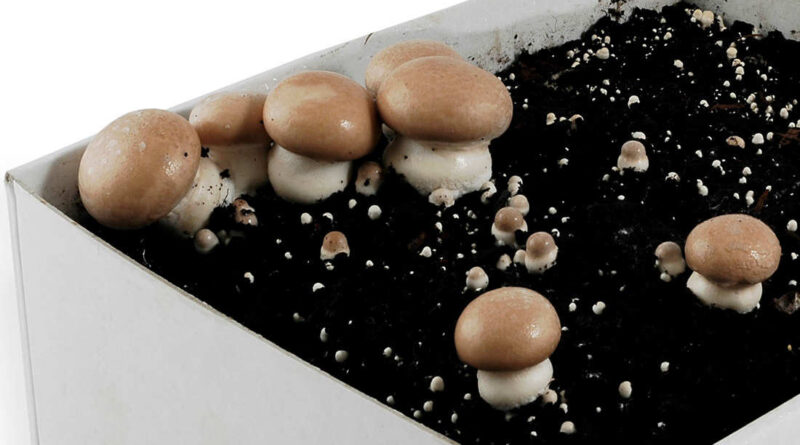
How to Choose a Mushroom Growing Kit in the UK
Growing edible mushrooms at home can be an interesting way to learn about fungi, cultivation, and food production. Beginners can choose from a variety of kits designed for different mushroom varieties, growing environments, and levels of experience.
When researching Mushroom Growing Kits UK, it is important to check exactly which mushroom species the kit is designed to grow and whether its intended use complies with UK law. Buyers should focus on legal edible or culinary mushroom varieties and avoid assuming that every mushroom cultivation product is suitable or lawful.
Start With the Mushroom Variety
The type of mushroom is one of the first things to consider. Popular culinary varieties include oyster, shiitake, and lion’s mane mushrooms.
Different varieties have different environmental requirements, so beginners may want to select a kit based on the growing conditions they can provide at home.
Check What the Kit Contains
A complete kit may include a prepared growing substrate, cultivation container, instructions, and other basic materials.
Review the product description carefully to determine what is included. A kit that provides clear instructions and all essential components can be easier for someone starting for the first time.
Consider the Growing Environment
Temperature, humidity, ventilation, and indirect light can influence mushroom development. Before choosing a kit, consider whether your home provides an appropriate environment for the selected edible variety.
Some kits are designed to be relatively simple, while others may require closer environmental control.
Look for Clear Instructions
Good instructions can make the growing process easier to understand. Look for information covering storage, preparation, environmental conditions, harvesting, and hygiene.
Instructions should also clearly identify the mushroom species included in the kit.
Check Storage Requirements
Some mushroom-growing products require specific storage conditions before cultivation begins. Check whether the kit needs refrigeration, a cool location, or other handling requirements.
Following the manufacturer’s storage guidance can help preserve the quality of the cultivation material.
Consider Kit Size
Growing kits are available in different sizes and formats. A smaller kit may be suitable for someone experimenting with mushroom cultivation for the first time.
Larger kits may make more sense for experienced growers who have enough space and want a more substantial harvest.
Review Hygiene Considerations
Clean handling is important when cultivating edible mushrooms. Contamination can affect the growing substrate and may prevent healthy mushroom development.
Follow the hygiene instructions supplied with the kit and avoid introducing unnecessary contaminants into the growing environment.
Check the Product’s Intended Use
Before purchasing any mushroom cultivation product, identify its intended species and purpose. Product descriptions can sometimes use broad terms that do not provide enough information.
For UK buyers, confirming that the kit is intended for lawful edible mushroom cultivation is an important part of responsible purchasing.
Consider the Level of Experience
Beginners may benefit from choosing a straightforward kit that requires minimal equipment and has clear instructions.
More experienced growers may prefer kits that allow greater control over growing conditions, but additional equipment can increase both complexity and cost.
Compare Product Information
When comparing different kits, consider more than the advertised price. Look at:
- Mushroom species
- Kit size
- Included materials
- Growing instructions
- Storage requirements
- Expected growing conditions
- Hygiene guidance
- Supplier information
This makes it easier to compare products on practical factors.
Think About Harvesting
Before buying a kit, check whether instructions explain how and when the mushrooms should be harvested. Different culinary species can have different development patterns.
Understanding the expected growing cycle can also help you decide whether the kit fits your schedule and available space.
Check Supplier Information
Reliable product information should clearly identify the mushroom species and provide appropriate cultivation guidance.
Be cautious of listings that use vague terminology, make unsupported claims, or fail to explain what is actually included in the kit.
Understand UK Legal Requirements
UK laws can distinguish between different mushroom species and the substances they contain. Psilocybin and psilocin are controlled substances under UK drug legislation, so cultivation products intended to produce mushrooms containing these substances can raise legal issues.
For this reason, consumers should verify the species involved and consult current UK government guidance when there is any uncertainty about legality.
Plan for Responsible Disposal
Cultivation materials should be handled and disposed of according to the product instructions. This is particularly important if a growing medium becomes contaminated or unsuitable for continued cultivation.
Following the supplier’s disposal guidance can help maintain good hygiene and prevent unnecessary environmental contamination.
Focus on Culinary Uses
Edible mushroom kits can provide a practical introduction to home cultivation while producing ingredients that can be used in cooking.
Oyster, shiitake, and lion’s mane mushrooms are examples of culinary varieties that can make suitable educational projects for people interested in learning about fungi.
Final Thoughts
Choosing a mushroom-growing kit in the UK requires attention to the species, kit contents, growing environment, instructions, hygiene, and supplier information. Beginners should choose products that clearly identify their intended culinary mushroom variety and provide practical guidance.
Most importantly, buyers should confirm that the cultivation activity is lawful in their circumstances. Selecting a clearly identified edible mushroom kit can provide an accessible way to explore home cultivation while keeping the project focused on legal culinary varieties.