What to Consider When Sourcing a China Air Pick for Industrial Use
Industrial operations often depend on pneumatic equipment for breaking, chipping, loosening, and material-removal tasks. When equipment is expected to operate in demanding environments, sourcing decisions should consider more than the initial purchase price. Product specifications, manufacturing quality, compatibility, and supplier support can all influence long-term performance.
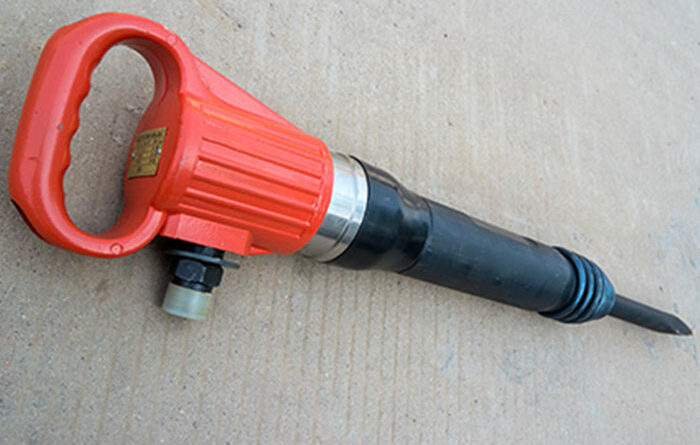
When evaluating a China Air Pick, buyers should look closely at the tool’s intended application, construction, pneumatic requirements, and available accessories. A structured sourcing process can help businesses compare products more effectively and select equipment that matches their operational requirements.
Define the Intended Application
Before contacting suppliers, identify exactly how the air pick will be used. Different industrial tasks require different levels of impact performance and tool durability.
Consider whether the equipment will be used for:
- Concrete breaking
- Rock and mineral work
- Excavation
- Masonry removal
- Foundry applications
- Industrial maintenance
- Surface preparation
- Road and infrastructure repairs
Defining the application helps narrow down suitable specifications and prevents buyers from selecting equipment that is either underpowered or unnecessarily large.
Review Impact Specifications
Impact performance is a central consideration when comparing pneumatic picks. Specifications such as impact frequency, energy, and operating pressure can provide useful information about how the tool is designed to perform.
However, individual specifications should not be evaluated in isolation. A tool with high impact output may not be the best choice for a task requiring precision and frequent repositioning.
The appropriate performance level should correspond to the hardness and thickness of the material as well as the expected workload.
Check Air Consumption and Pressure
A pneumatic tool depends on a reliable compressed-air supply. Before sourcing a model, buyers should compare its air consumption and recommended operating pressure with the capabilities of their existing compressor.
Important specifications include:
- Operating pressure
- Air consumption
- Air inlet size
- Recommended hose dimensions
- Duty cycle
- Compressor requirements
If the air supply cannot maintain the required pressure and airflow, tool performance may decline. Checking pneumatic compatibility before purchase can prevent operational problems after delivery.
Examine Construction Quality
Industrial air picks may be exposed to impact, vibration, dust, moisture, and frequent handling. Construction quality is therefore an important sourcing factor.
Pay attention to the materials used for the housing, internal components, seals, and working mechanism. Consistent manufacturing and appropriate material selection can contribute to reliable operation under demanding conditions.
Buyers should also ask suppliers about quality-control procedures and inspection practices.
Consider Tool Weight and Ergonomics
Tool weight affects how easily an operator can position and control the equipment. For applications involving extended operation, ergonomics can have a significant practical impact.
A heavier tool may be appropriate for high-impact breaking, while a lighter configuration can provide greater maneuverability for maintenance or confined-space work.
Look at overall balance, handle configuration, grip design, and vibration characteristics when comparing different products.
Evaluate Working Attachments
The performance of an air pick depends partly on the attachment being used. Different materials and tasks may require pointed tools, chisels, cutters, or other specialized working ends.
Before sourcing equipment, confirm:
- Compatible attachment sizes
- Available attachment types
- Replacement availability
- Attachment material and durability
- Installation method
A supplier capable of providing compatible replacement attachments can simplify long-term equipment maintenance.
Assess Manufacturing Consistency
When sourcing from an overseas manufacturer, consistency between production batches is an important consideration. Buyers should determine whether the supplier follows documented manufacturing and inspection procedures.
Useful questions include:
- What quality-control checks are performed?
- How are finished tools inspected?
- Are critical dimensions measured during production?
- How are pneumatic components tested?
- Is product documentation available?
Clear answers can help buyers understand how a manufacturer manages product quality.
Request Technical Documentation
Reliable technical documentation makes equipment easier to evaluate and maintain. Request detailed specifications before placing an order.
Documentation may include product drawings, operating instructions, maintenance recommendations, spare-parts information, and technical specifications.
Having this information in advance also helps engineering and maintenance teams determine whether the equipment is suitable for their existing systems.
Consider Spare Parts Availability
Long-term equipment value depends partly on the availability of replacement components. Even a durable pneumatic tool can eventually require seals, attachments, internal parts, or other service components.
Ask the supplier which parts are considered consumable or replaceable and how they can be ordered. It is also useful to understand typical lead times for replacement components.
Maintaining access to common spare parts can reduce unnecessary downtime.
Review Supplier Communication
Communication is particularly important when sourcing industrial equipment internationally. Buyers should evaluate how clearly the supplier responds to technical questions and product inquiries.
A dependable supplier should be able to provide clear information about specifications, customization options, packaging, shipping, and after-sales support.
Consistent communication before the order can also make it easier to resolve technical questions later.
Compare Pricing Beyond the Unit Cost
Price is naturally important, but the lowest quoted unit price does not necessarily represent the lowest overall cost.
Consider additional factors such as:
- Shipping and logistics
- Packaging
- Spare parts
- Replacement attachments
- Maintenance requirements
- Expected service life
- Warranty terms
- Import-related costs
A broader cost comparison gives buyers a more realistic picture of the investment required.
Check Packaging and Export Readiness
Industrial tools may travel long distances before reaching their final destination. Packaging should therefore protect equipment from impact, moisture, contamination, and other transportation risks.
Ask suppliers about packaging materials, labeling, documentation, and preparation for international shipment. Proper export packaging can help reduce the likelihood of damage during transportation and storage.
Consider Customization Requirements
Some industrial operations may have specific requirements related to fittings, dimensions, attachments, operating conditions, or packaging.
If customization is necessary, discuss the requirements before production begins. Ask whether the supplier can provide drawings or samples for review and how modifications may affect cost and delivery schedules.
Clear technical communication is especially important when requesting customized equipment.
Plan for Inspection Before Full-Scale Orders
For larger purchases, a sample order or pre-shipment inspection can provide useful information about product consistency and suitability.
A practical evaluation can include checking dimensions, surface condition, operating performance, accessories, packaging, and documentation.
This approach can help identify discrepancies before a larger quantity is ordered.
Conclusion
Sourcing a China-manufactured pneumatic air pick for industrial use involves evaluating technical specifications, construction quality, air requirements, ergonomics, attachments, manufacturing consistency, and supplier support. Price should be considered alongside these factors rather than used as the only purchasing criterion.
By defining the application clearly, requesting complete technical information, checking quality-control practices, and considering spare-parts availability, industrial buyers can make more informed sourcing decisions. A systematic evaluation process also helps ensure that the selected equipment is compatible with existing operations and suitable for its intended workload.