How LED High Bay Light Manufacturers Test Performance and Durability
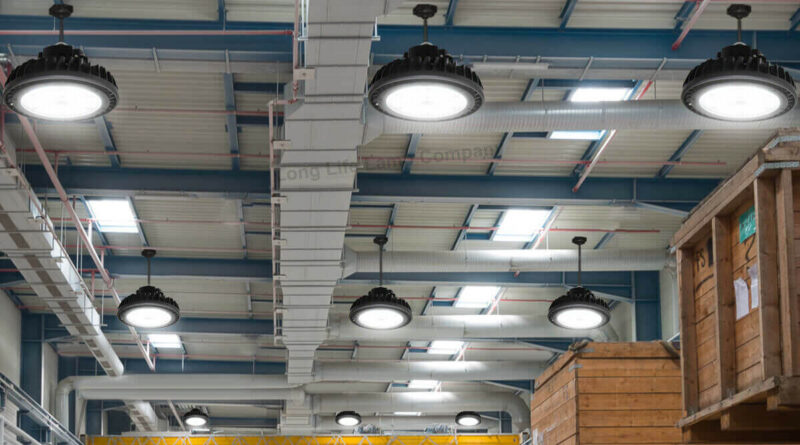
LED high bay lights are commonly installed in warehouses, factories, logistics centers, workshops, and other large facilities where lighting may operate for many hours each day. Because these fixtures are expected to provide consistent illumination under demanding conditions, manufacturers need reliable methods for evaluating both performance and durability.
A LED High Bay Light Manufacturer can use several stages of testing to assess a fixture before it reaches the market. These tests may examine electrical performance, light output, thermal behavior, mechanical construction, environmental resistance, and long-term operating stability.
Electrical Performance Testing
Electrical testing is one of the fundamental stages of high bay light evaluation. Manufacturers measure characteristics such as input power, voltage, current, power factor, and overall electrical stability.
These measurements help determine whether the fixture operates within its specified electrical range. Testing can also identify irregularities in drivers, wiring, connectors, or other electrical components before products are shipped.
Measuring Light Output and Efficiency
A high bay fixture needs to provide the intended amount of usable illumination. Manufacturers may use photometric equipment to measure luminous output, beam distribution, color characteristics, and other optical properties.
Efficiency can be evaluated by comparing the amount of light produced with the electrical power consumed. This information helps manufacturers verify whether the finished product performs according to its design specifications.
Thermal Performance Testing
Heat is an important consideration for LED lighting because elevated temperatures can affect electronic components and long-term performance. Manufacturers therefore evaluate how effectively a fixture manages heat during operation.
Testing may involve monitoring temperatures at the LED board, driver, heat sink, and housing while the fixture operates under specified conditions. The results can help identify potential thermal issues and support improvements in heat dissipation.
Extended Operating Tests
Some manufacturers conduct extended operation or burn-in tests to observe how fixtures perform after running continuously for a predetermined period. This can help identify certain early-stage component or assembly problems.
Long-duration testing is particularly relevant for high bay applications because fixtures may operate for extended shifts. Maintaining stable electrical and optical performance throughout testing provides useful information about product consistency.
Environmental Resistance Testing
High bay lights can be installed in environments where dust, moisture, temperature fluctuations, or other conditions may affect equipment. Depending on the intended application, manufacturers may conduct environmental tests based on the product’s specified protection level.
These evaluations can include ingress protection testing, temperature exposure, humidity testing, or other applicable procedures. The exact methods depend on the fixture design and its intended operating environment.
Mechanical Durability Testing
The physical structure of a high bay fixture must withstand normal handling, installation, and operation. Manufacturers may inspect housing strength, mounting components, fasteners, connectors, and other mechanical elements.
Vibration or impact-related testing may also be considered for products intended for demanding industrial environments. These tests help determine whether the fixture can maintain its physical integrity under specified conditions.
Driver Reliability Checks
The LED driver plays a central role in maintaining stable operation. Manufacturers may test drivers under different electrical conditions to evaluate their response to fluctuations and other expected operating situations.
Protection features can also be evaluated where applicable. These may include safeguards related to overvoltage, overcurrent, overheating, or short-circuit conditions.
Optical and Lens Inspection
The lens and optical system influence how light is distributed across the installation area. Manufacturers inspect lenses for defects, alignment, surface quality, and proper attachment.
Photometric testing can then verify whether the optical system produces the intended beam pattern. Consistent optical performance is particularly important in large facilities where uneven illumination can affect the usability of the space.
Product Inspection Before Shipment
Testing does not end with laboratory measurements. A final inspection can verify the appearance, labeling, dimensions, wiring, accessories, and general construction of each production batch.
Manufacturers may use documented inspection procedures to maintain consistency between batches. Records of testing and inspection can also support traceability if quality issues arise later.
Using Test Results for Product Improvement
Performance and durability testing is not only about identifying products that fail requirements. Test data can also help manufacturers improve designs and manufacturing processes.
For example, thermal test results may lead to changes in heat-sink design, while optical measurements can support adjustments to lens configurations. Repeated testing allows manufacturers to validate these changes before wider production.
Conclusion
Testing the performance and durability of LED high bay lights involves multiple factors rather than a single inspection. Electrical measurements, photometric evaluation, thermal testing, extended operation, environmental testing, mechanical checks, and final inspections can all contribute to a more complete assessment.
For lighting buyers, understanding these testing practices can make it easier to evaluate technical specifications and ask manufacturers relevant questions. Looking beyond basic wattage and lumen ratings can provide a clearer picture of how a high bay fixture is designed to perform under its intended operating conditions.