
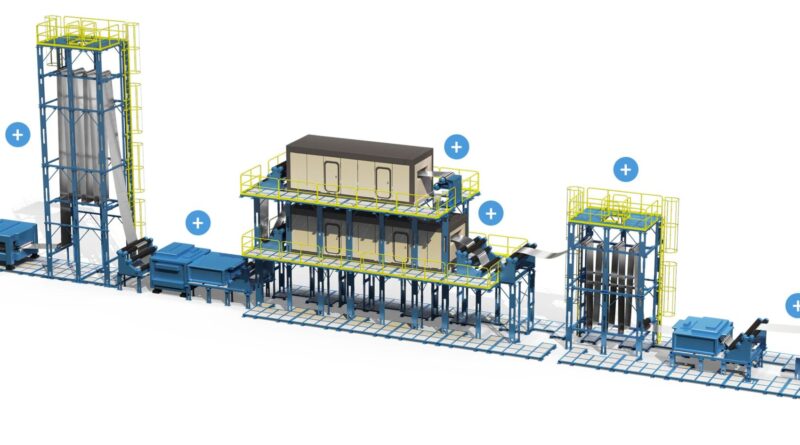
Surface Preparation Methods in an Aluminum Coil Coating Line
Surface preparation is one of the most critical stages in coil coating production, directly influencing coating adhesion, corrosion resistance, and final product durability. Without proper preparation, even high-quality coatings can fail prematurely, leading to peeling, discoloration, or reduced service life. In modern manufacturing, surface preparation is carefully controlled to ensure aluminum coils are ready for consistent coating performance.
In a modern production environment, the aluminum coil coating line integrates several surface preparation stages into a continuous system. The aluminum coil coating line is designed to ensure consistent cleaning, controlled chemical treatment, and optimized drying before coating application begins, which helps manufacturers achieve stable adhesion and long-term durability.
Importance of Surface Preparation
Surface preparation determines how well coatings bond to aluminum substrates. Since aluminum naturally forms an oxide layer when exposed to air, this layer must be properly treated to ensure strong adhesion.
If surface contaminants such as oil, dust, or oxidation are not removed, they can create weak points in the coating system. These weak points often lead to defects such as blistering, flaking, or uneven color distribution over time.
Proper preparation improves:
- Coating adhesion strength
- Corrosion resistance
- Surface uniformity
- Long-term performance stability
Mechanical Cleaning Methods
Mechanical cleaning is often the first step in preparing aluminum coils for coating. This stage focuses on physically removing surface debris and ensuring a uniform starting condition.
Common mechanical methods include:
- Brushing systems that remove loose particles
- Abrasive rollers for surface smoothing
- High-pressure air cleaning for dust removal
These techniques help eliminate large contaminants before chemical processes begin. While mechanical cleaning alone is not sufficient for full preparation, it significantly improves the efficiency of subsequent stages.
Mechanical methods are especially useful for coils that have been stored or transported over long distances, where dust and surface residues tend to accumulate.
Chemical Cleaning and Degreasing
Chemical cleaning plays a more detailed role in removing oils, grease, and microscopic contaminants that mechanical methods cannot fully eliminate. This stage ensures the aluminum surface is completely free from substances that could interfere with coating adhesion.
Degreasing solutions typically involve alkaline or neutral cleaning agents that break down oil residues. The aluminum strip passes through multiple cleaning zones, followed by rinsing sections that remove chemical residues.
This stage is essential because even invisible contaminants can reduce coating performance. A properly cleaned surface ensures a stable base for further treatment and coating layers.
Conversion Coating and Pretreatment Chemistry
Conversion coating is one of the most important steps in surface preparation. It involves applying a thin chemical layer that enhances corrosion resistance and improves bonding between the aluminum surface and the coating material.
This layer is typically formed using chrome-based or chromium-free solutions, depending on environmental regulations and production requirements. The conversion layer acts as a bridge between the metal substrate and the paint system.
Key benefits of conversion coating include:
- Improved paint adhesion
- Increased corrosion protection
- Enhanced surface stability
- Better resistance to environmental stress
The quality of this layer significantly influences the durability of the final product.
Drying and Surface Activation
After chemical treatment, the aluminum surface must be thoroughly dried before coating application. Any remaining moisture can negatively affect adhesion and lead to surface defects.
Drying systems use controlled temperature air or infrared heating to ensure uniform moisture removal. At the same time, the surface is stabilized to prepare it for primer or topcoat application.
Surface activation may also occur during this stage, where the treated aluminum becomes more receptive to coating materials. This improves bonding strength and helps create a smoother finish.
Quality Control in Surface Preparation
Quality control is essential throughout the entire surface preparation process. Even minor inconsistencies can impact coating performance and product reliability.
Manufacturers typically monitor:
- Surface cleanliness levels
- Chemical concentration balance
- Temperature and drying efficiency
- Coating readiness of the substrate
Advanced production systems may also use sensors and inspection tools to detect contamination or uneven treatment in real time. This ensures that only properly prepared coils move forward to the coating stage.
Impact on Final Product Performance
Well-executed surface preparation directly improves the durability and appearance of coated aluminum products. It ensures that coatings remain stable under environmental stress, including humidity, UV exposure, and temperature changes.
Without proper preparation, even advanced coating materials cannot perform effectively. This highlights the importance of integrating precise surface treatment systems within coil coating production lines.
Industries such as construction, transportation, and appliance manufacturing rely heavily on these processes to ensure product reliability and long service life.
Conclusion
Surface preparation is a foundational stage in aluminum coil coating production, influencing every aspect of coating quality and durability. Through a combination of mechanical cleaning, chemical treatment, conversion coating, and controlled drying, manufacturers can achieve highly stable and long-lasting results.
A well-designed production system ensures that aluminum surfaces are fully prepared before coating application, reducing defects and improving efficiency. As a result, surface preparation remains a key factor in maximizing the performance of coated aluminum materials across industrial applications.