
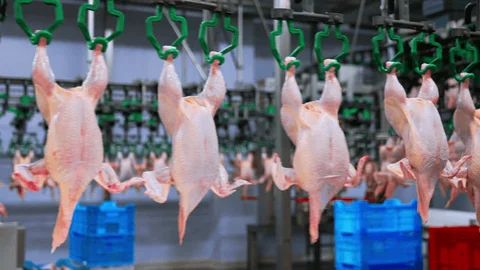
Slaughtering Equipment for Poultry, Beef, and Lamb
The meat processing industry relies on specialized slaughtering equipment to ensure efficient, hygienic, and safe processing of different types of animals. Poultry, beef, and lamb each require specific machinery designed to meet their unique anatomical and operational needs. Modern slaughtering equipment has transformed the industry by automating tasks, improving product quality, reducing labor, and maintaining high standards of hygiene. Understanding the appropriate equipment for each type of animal is essential for operators and facility managers.
The choice of equipment depends on several factors, including the species being processed, the production volume, and regulatory requirements. Modern facilities integrate machinery that handles every stage of processing—from stunning and bleeding to skinning, evisceration, and carcass splitting—ensuring consistency and efficiency. The use of slaughtering equipment in processing lines minimizes human contact, reduces contamination risks, and increases throughput, making it an indispensable part of contemporary meat production.
Poultry Slaughtering Equipment
Poultry processing requires machines designed for small animals with delicate bodies. Key equipment includes:
Stunning and Bleeding Machines
Poultry is typically stunned using electrical water baths or controlled gas systems, ensuring humane handling. Automated bleeding machines then collect blood efficiently while maintaining hygiene and minimizing contamination.
Plucking and Evisceration Machines
After bleeding, plucking machines remove feathers rapidly and uniformly, which is essential for high-volume operations. Evisceration machines follow, carefully removing internal organs while minimizing the risk of contamination. These systems are often automated to handle large batches of birds efficiently.
Chilling and Conveying Systems
Automated chillers reduce carcass temperature quickly, preserving meat quality. Conveyor systems move poultry through the processing line, improving efficiency and maintaining hygienic handling.
Beef Slaughtering Equipment
Beef processing requires equipment designed to handle larger animals with tougher hides and heavier carcasses. Key machinery includes:
Stunning and Bleeding Systems
Cattle are usually stunned using mechanical or pneumatic captive bolt guns to ensure humane slaughter. Automated bleeding systems efficiently remove blood, which is critical for maintaining meat quality and hygiene standards.
Skinning Machines
Beef skinning machines remove the hide without damaging the underlying muscle. Automated skinning reduces labor, increases efficiency, and ensures consistent results.
Evisceration and Carcass Splitting
Evisceration equipment removes internal organs while maintaining sanitary conditions. Carcass splitting machines then divide the beef into halves or quarters for easier handling and further processing. Automation ensures uniformity and reduces the risk of contamination.
Lamb Slaughtering Equipment
Lamb processing shares similarities with both poultry and beef processing but requires equipment suited to mid-sized animals. Key machinery includes:
Stunning and Bleeding Devices
Lambs are stunned using electrical or mechanical methods, followed by automated bleeding systems to ensure humane and hygienic processing.
Skinning and Evisceration Machines
Skinning machines remove the hide efficiently, while evisceration equipment handles internal organs with precision. Automated systems help maintain meat quality and reduce labor requirements.
Chilling and Handling Systems
Chilling systems lower carcass temperature quickly to preserve freshness. Conveyor and handling systems ensure efficient movement through processing stages without compromising hygiene.
Benefits of Using Specialized Slaughtering Equipment
Using modern slaughtering equipment for poultry, beef, and lamb offers several advantages:
- Efficiency: Automated machines handle multiple animals simultaneously, increasing production speed.
- Hygiene: Minimizing human contact reduces contamination risks and ensures compliance with food safety regulations.
- Consistency: Machines produce uniform results in stunning, bleeding, skinning, and evisceration.
- Labor Reduction: Automation reduces manual effort and the associated risk of workplace injuries.
- Scalability: Modern systems can accommodate varying production volumes and different animal sizes.
Considerations for Selecting Slaughtering Equipment
When selecting equipment, facilities should evaluate their specific needs:
- Animal Type and Size: Choose machines designed for the species being processed.
- Production Volume: High-volume operations benefit from fully automated systems, while smaller facilities may require semi-automatic machines.
- Space and Layout: Ensure equipment fits the facility layout and allows for maintenance and cleaning.
- Regulatory Compliance: Machines must meet hygiene and animal welfare standards.
- Durability and Maintenance: Select equipment that is reliable, easy to maintain, and supported by the manufacturer.
Conclusion
Modern slaughtering equipment is essential for efficient, hygienic, and humane meat processing across poultry, beef, and lamb operations. Each animal type requires specialized machinery for stunning, bleeding, skinning, evisceration, and chilling to ensure high-quality results. By selecting equipment suited to the species and production requirements, facilities can increase throughput, maintain hygiene, reduce labor, and improve product consistency. Investing in modern, automated systems not only enhances operational efficiency but also ensures compliance with industry standards and positions meat processing facilities for long-term success in a competitive market.