
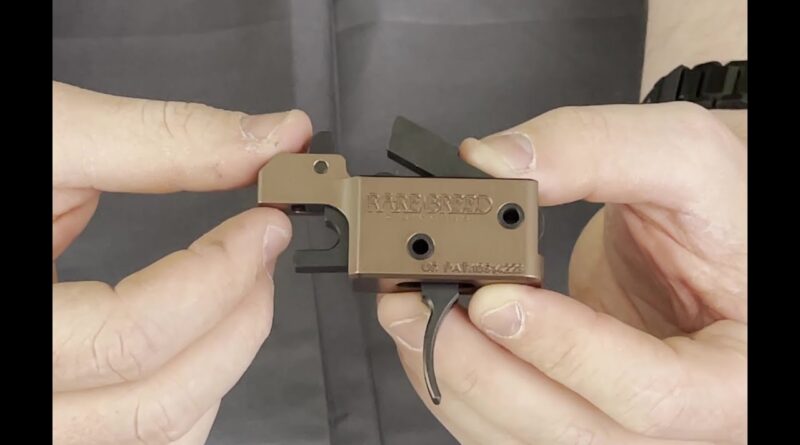
Safety and Legal Considerations Related to the FRT15
The FRT15 is a high-performance trigger system designed for AR-15 style rifles, known for its smooth pull, consistent break, and enhanced shooting control. While it offers significant performance benefits, it is essential for users to understand the safety and legal considerations associated with installing and using this type of trigger. Proper knowledge ensures responsible firearm use while maintaining compliance with applicable laws.
Importance of Safe Handling
Safety is a primary concern when using the FRT15. Despite its lighter trigger pull and improved responsiveness, users must remember that the firearm remains inherently dangerous. Basic safety practices, such as keeping the muzzle pointed in a safe direction, maintaining finger discipline, and keeping the firearm unloaded when not in use, are critical. Additionally, the FRT15’s precise mechanism makes trigger discipline even more important, as an unintentional pull could have more immediate consequences compared to standard factory triggers. For those interested in upgrading, the frt15 is engineered to provide a controlled and consistent pull, but responsible handling remains essential.
The design of the FRT15 incorporates safety measures, including secure sear engagement and minimized overtravel, which reduce the likelihood of accidental discharge. Users should always inspect their trigger system regularly, checking for wear or loose components that could compromise safety. Routine cleaning and lubrication also help maintain predictable performance, ensuring that the trigger functions correctly under all conditions.
Legal Considerations
When installing the FRT15, firearm owners must be aware of federal, state, and local laws regarding aftermarket trigger modifications. While most single-stage triggers, such as the FRT15, are legal to own and install in standard AR-15 rifles in many jurisdictions, some regions impose restrictions on modifications that alter firing characteristics. It is the responsibility of the firearm owner to ensure that the installation complies with all applicable regulations.
Certain states or municipalities may have limitations on the types of triggers, rate of fire modifications, or other enhancements that can be legally used. Failure to comply with these laws can result in severe penalties, including fines or criminal charges. Before purchasing or installing the FRT15, users should research local regulations and consult legal experts if necessary to ensure compliance.
Safe Installation Practices
Proper installation of the FRT15 is critical to both safety and performance. Most models are designed to fit standard AR-15 lower receivers without specialized tools, but it is still important to follow manufacturer instructions carefully. Incorrect installation can lead to malfunctions or unsafe firing behavior.
Some firearm owners may choose to have the FRT15 installed by a qualified gunsmith, particularly if they are unfamiliar with the internal mechanics of AR-15 triggers. A professional installation ensures that the trigger functions correctly and safely, reducing the risk of accidents. After installation, thorough function testing in a safe environment is highly recommended before live-fire use.
Training and Responsible Use
Beyond installation and legal compliance, training is a key component of safe use. Users should practice proper trigger control and shooting techniques to take full advantage of the FRT15’s precision while minimizing risk. This includes exercises that reinforce safe handling habits, such as dry-fire drills, target practice, and controlled rapid-fire training.
Training also helps users understand the characteristics of the FRT15, including its reduced pull weight, crisp break, and short reset. Awareness of these features allows shooters to anticipate the trigger’s behavior, preventing unintentional discharges and improving overall accuracy.
Storage and Transportation
Safe storage and transportation of firearms equipped with the FRT15 are also essential. Triggers should not be considered a substitute for proper storage practices. Firearms should be kept in locked cabinets, safes, or secure containers, particularly in households with children or unauthorized individuals. Using trigger locks in addition to secure storage adds an extra layer of protection.
When transporting a firearm with an FRT15 installed, ensure that it is unloaded and secured according to local and federal laws. Many jurisdictions require firearms to be transported in cases or with safety locks engaged, which helps prevent accidents during transit.
Conclusion
The FRT15 offers significant performance enhancements for AR-15 style rifles, but responsible ownership requires careful attention to safety and legal considerations. Understanding proper handling, installation, training, and storage practices is essential to maximize the benefits of this high-performance trigger while minimizing risks. Additionally, compliance with federal, state, and local laws ensures that the use of the FRT15 remains lawful and responsible. By combining high-quality equipment with proper safety practices, firearm owners can enjoy the improved control, accuracy, and responsiveness provided by the FRT15 without compromising safety or legal responsibility.


