
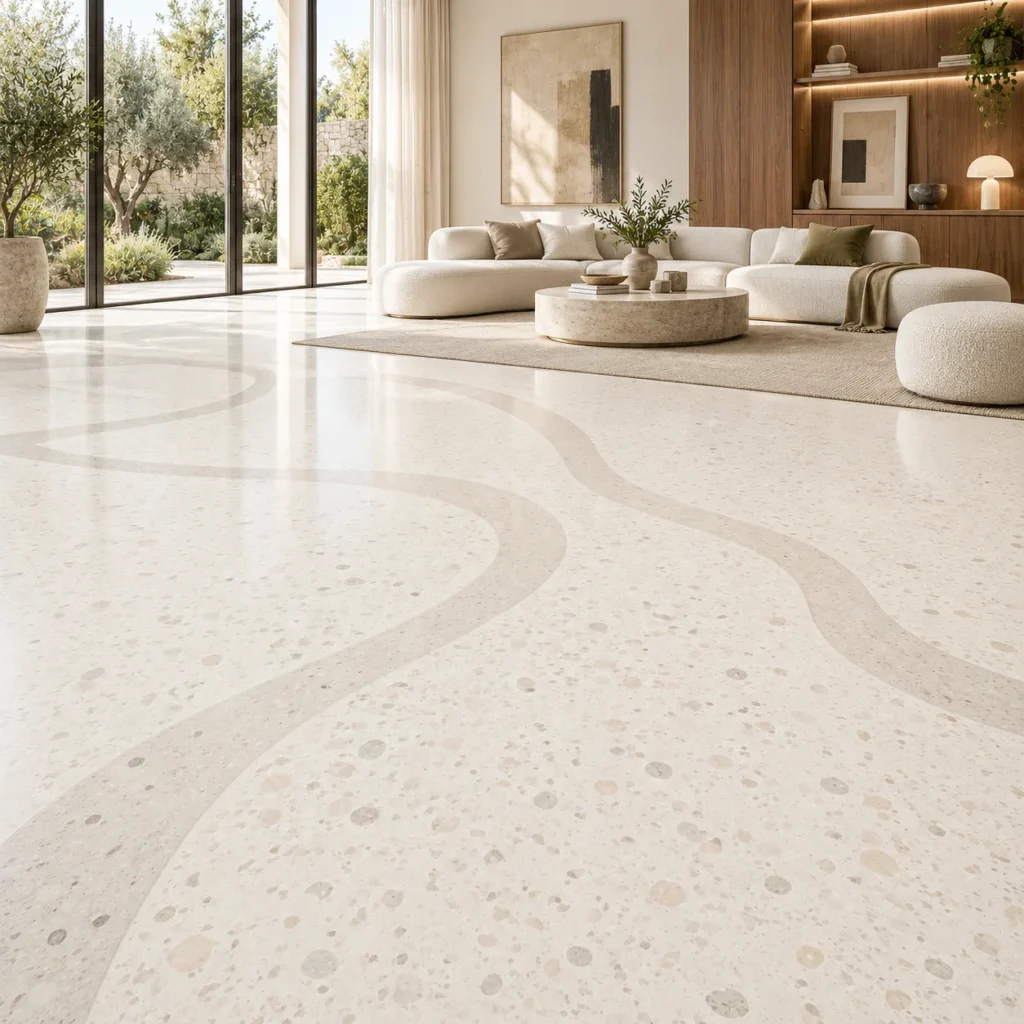
Terrazzo Tiles Manufacturer: Design Capabilities, Aggregate Selection, and Production Standards
Terrazzo tiles have become a popular choice for architects, interior designers, and property developers seeking surfaces that combine decorative character with practical performance. Their distinctive appearance comes from a mixture of aggregates embedded in a cementitious or resin-based matrix, creating patterns that can range from subtle and understated to bold and colorful. With a wide selection of aggregate sizes, colors, and finishes, terrazzo can complement residential, commercial, hospitality, and public spaces.
Selecting a reliable Terrazzo Tiles Manufacturer requires more than comparing designs and prices. Buyers should evaluate the manufacturer’s design capabilities, raw material selection, production processes, quality control procedures, and ability to meet project specifications. Understanding these factors helps ensure that the finished tiles deliver the intended appearance and perform appropriately in their installation environment.
1. Understanding Terrazzo Tiles
Terrazzo is a composite surface material traditionally made by combining decorative aggregates with a binding matrix. The aggregates may include marble, granite, quartz, glass, or other suitable materials, depending on the product design and manufacturing method.
After the mixture is formed and cured or processed, the surface may be ground and polished to reveal the embedded aggregates. This creates the characteristic speckled or patterned appearance associated with terrazzo.
Common terrazzo tile characteristics include:
- Distinctive patterns created by different aggregate combinations
- A wide range of colors and decorative styles
- Multiple surface finishes, including polished and matte options
- Design flexibility for contemporary and traditional interiors
- Suitability for various applications when the product is correctly specified
Terrazzo products can differ significantly in composition and performance. Buyers should identify whether a product uses a cement-based or resin-based binder and review its technical specifications before making a selection.
2. Design Capabilities and Customization Options
A manufacturer’s design capabilities influence the range of terrazzo styles available to buyers. Some projects require classic aggregate patterns, while others need customized colors, distinctive particle arrangements, or coordinated finishes.
Color Development
Terrazzo tiles can be produced in a wide range of base colors. The binder color and aggregate selection work together to establish the overall appearance.
Popular design directions include:
- Neutral backgrounds with subtle stone aggregates
- White or cream bases with contrasting particles
- Dark backgrounds with lighter decorative fragments
- Multicolor combinations for statement interiors
- Minimalist patterns with smaller, evenly distributed aggregates
Buyers should request physical samples because digital images may not accurately represent the finished color or the visual relationship between the binder and aggregates.
Aggregate Size and Distribution
Aggregate size has a significant effect on terrazzo’s appearance. Fine particles can create a more uniform surface, while larger fragments produce a more prominent decorative pattern.
The distribution of aggregates is equally important. Consistent spacing and balanced proportions help create a coordinated appearance across multiple tiles.
Pattern Development
Some manufacturers offer standard designs, while others may accommodate customized combinations for specific projects. Buyers should clarify whether the manufacturer can reproduce approved patterns across larger production batches.
For projects with multiple rooms or installation areas, it is useful to establish a sample approval process before production begins.
3. Selecting the Right Aggregates
Aggregate selection is one of the defining factors in terrazzo tile production. Different materials contribute different colors, textures, and physical characteristics.
Marble Aggregates
Marble fragments are commonly used to create traditional terrazzo patterns. Their natural color variations provide a decorative appearance suitable for both classic and contemporary interiors.
Granite Aggregates
Granite particles can introduce distinctive mineral patterns and a range of natural colors. Their appearance may be useful in designs requiring stronger visual contrast.
Quartz Aggregates
Quartz can be selected for its range of colors and decorative qualities. Its suitability depends on the overall formulation and intended product performance.
Glass Aggregates
Glass fragments can add color variation and reflective details. They are often used in decorative designs where a more distinctive visual effect is desired.
Recycled Aggregates
Some terrazzo formulations incorporate recycled materials, depending on availability, processing requirements, and product specifications. Buyers interested in recycled content should ask for clear information about the materials used and any supporting documentation.
When evaluating aggregate options, buyers should consider particle size, color consistency, compatibility with the binder, and the final surface appearance.
4. Understanding the Terrazzo Tile Manufacturing Process
Production methods vary depending on the terrazzo formulation and factory equipment. However, several stages commonly influence the quality and appearance of the finished tiles.
Raw Material Preparation
The manufacturer selects and prepares the aggregates, binder, pigments, and other required ingredients. Accurate measurement and consistent material quality help control the final composition.
Mixing
Aggregates are combined with the binder and other components according to the product formulation. Uniform mixing helps distribute decorative particles throughout the material.
Forming and Compaction
The mixture is shaped into tiles using suitable production equipment. Controlled forming and compaction help achieve the required dimensions and material structure.
Curing or Processing
Depending on the binder system, tiles undergo curing or other controlled processing stages. These operations help develop the material’s required properties.
Grinding and Polishing
After the material has reached the appropriate processing stage, the surface may be ground to expose the aggregates. Further polishing or finishing operations establish the final appearance and texture.
Final Inspection
Finished tiles are checked against established quality requirements. Inspection may cover dimensions, surface appearance, color consistency, flatness, and relevant performance characteristics.
A manufacturer with well-managed production stages is better positioned to maintain consistency across larger orders.
5. Surface Finishes and Their Applications
Terrazzo tiles are available in different finishes, each offering a distinct visual and practical character.
Polished finish: Creates a reflective surface that highlights aggregate colors and patterns. It is often selected for formal interiors and decorative spaces.
Honed or matte finish: Provides a softer, less reflective appearance. It may suit contemporary interiors where a restrained finish is preferred.
Textured finish: Introduces additional surface character and may be considered for applications where particular traction characteristics are required.
The appropriate finish depends on the intended environment, cleaning requirements, expected foot traffic, and slip-resistance specifications. Buyers should request relevant test information rather than assuming that a particular texture guarantees safe performance in wet conditions.
6. Quality Standards and Inspection Procedures
Quality control is essential because terrazzo tiles contain multiple materials that must work together to create a consistent finished product.
A manufacturer’s inspection procedures should address both appearance and technical performance.
Important quality checks may include:
- Dimensional accuracy: Verifies tile length, width, and thickness.
- Flatness: Checks whether tiles meet the required geometric tolerances.
- Surface quality: Identifies cracks, chips, pinholes, and finishing defects.
- Aggregate distribution: Evaluates whether particles are distributed consistently.
- Color consistency: Checks variation between individual tiles and production batches.
- Physical performance: May include relevant tests for strength, abrasion, water absorption, or other specified properties.
The required tests depend on the product type and its intended application. Buyers should request technical data sheets and applicable test reports for the specific terrazzo tile being considered.
7. Choosing Terrazzo Tiles for Different Applications
Terrazzo’s decorative flexibility makes it suitable for a range of interior and architectural projects. However, the selected product should meet the practical requirements of its installation environment.
Residential Interiors
Terrazzo tiles can be used in living rooms, kitchens, hallways, and selected bathroom applications. Neutral colors can create a calm interior, while larger aggregates can provide a more distinctive decorative feature.
Hotels and Hospitality Spaces
Hotels often use terrazzo in reception areas, corridors, restaurants, and other shared spaces. Buyers should consider expected traffic, cleaning frequency, and maintenance requirements when choosing a product.
Retail and Commercial Buildings
Terrazzo can contribute to a coordinated visual identity in retail stores, offices, and commercial interiors. Product selection should account for abrasion performance and the demands of regular use.
Public and Institutional Spaces
Some terrazzo products are suitable for public buildings and institutional interiors. These applications may require additional attention to durability, slip resistance, maintenance, and relevant building regulations.
8. Evaluating a Terrazzo Tiles Manufacturer
A supplier’s capabilities should be assessed against the project’s design, technical, and commercial requirements.
Before placing an order, buyers should review the following factors:
- Product range: Check available colors, aggregate combinations, dimensions, and finishes.
- Customization capabilities: Confirm whether the manufacturer can develop project-specific designs.
- Production capacity: Ensure that the factory can meet the required order quantity and schedule.
- Quality management: Ask about inspection procedures and batch consistency.
- Technical documentation: Request specifications and relevant performance test reports.
- Sample support: Review physical samples before approving production.
- Communication: Evaluate the clarity and responsiveness of technical and commercial support.
- Packaging: Confirm how the manufacturer protects tiles during storage and transportation.
- After-sales service: Understand the process for addressing quality concerns or delivery issues.
A clear evaluation process helps buyers compare suppliers on more than appearance or initial price.
9. Packaging and Transportation Considerations
Terrazzo tiles must be properly protected during storage, handling, and transportation. Although packaging requirements vary by product, suitable cartons, separators, pallets, and protective materials can help reduce the risk of damage.
Before shipment, buyers should confirm:
- Packaging strength and internal protection
- Tile quantity and identification per carton
- Pallet configuration and loading arrangements
- Gross and net shipment weight
- Protection against moisture where required
- Handling instructions
- Procedures for reporting damaged goods
For international purchases, buyers should also clarify shipping terms, insurance responsibilities, customs documentation, and delivery schedules. These details should be agreed upon before the order is dispatched.
10. Cost Factors When Sourcing Terrazzo Tiles
The cost of terrazzo tiles depends on several variables, including the composition, design, manufacturing method, and order requirements.
Factors that may influence pricing include:
- Aggregate type and quality
- Aggregate size and distribution
- Binder composition
- Tile dimensions and thickness
- Surface finish
- Custom design requirements
- Order quantity
- Packaging and transportation
- Delivery destination
Buyers should compare quotations using consistent product specifications. A lower unit price may not represent better overall value if the product has different technical characteristics, packaging standards, or delivery terms.
It is also useful to confirm production lead times, payment conditions, minimum order quantities, and the validity period of each quotation.
11. Common Sourcing Mistakes to Avoid
A careful purchasing process can help prevent problems that may affect project quality or delivery schedules.
Choosing from photographs alone: Images may not show the exact aggregate colors, particle distribution, or surface texture. Request physical samples whenever possible.
Ignoring composition: Cement-based and resin-based terrazzo products may have different properties and maintenance requirements. Confirm the product type.
Overlooking batch variation: Natural aggregates can introduce variation. Discuss acceptable appearance differences before ordering.
Selecting an unsuitable finish: Evaluate the finish according to the intended application, particularly for flooring in wet or high-traffic areas.
Failing to check technical data: Request product-specific information and relevant test reports before approving the material.
Comparing incomplete quotations: Check whether packaging, freight, insurance, and other costs are included.
Addressing these issues early can reduce uncertainty and help buyers make more informed procurement decisions.
12. Building a Long-Term Supplier Relationship
For distributors, contractors, developers, and design businesses, a reliable supplier relationship can make repeat purchasing more efficient.
Clear records of approved samples, aggregate combinations, product specifications, and inspection results help maintain consistency across different orders. Buyers should also review delivery performance, communication, documentation accuracy, and the handling of quality concerns after each shipment.
Regular communication about project schedules and future requirements can help both parties plan production and manage inventory more effectively.
Conclusion
Selecting a terrazzo tiles manufacturer involves evaluating design capabilities, aggregate selection, manufacturing processes, quality standards, and supply reliability. Each factor contributes to the appearance, consistency, and suitability of the finished product.
By reviewing physical samples, confirming material composition, checking technical specifications, and understanding production and packaging procedures, buyers can make better sourcing decisions. A manufacturer with consistent production controls and clear communication can help support successful residential, commercial, and architectural projects.