
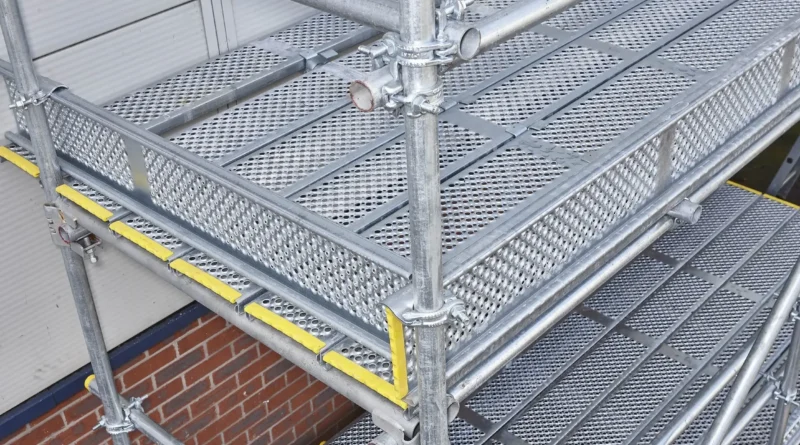
Scaffolding Planks Explained: Load Capacity, Material Options, and Workplace Safety
Working platforms are an essential part of construction access equipment because they provide workers with a stable surface for performing tasks at elevated positions. Whether a project involves bricklaying, painting, plastering, or industrial maintenance, the quality of the platform components directly affects workplace safety and operational efficiency. Selecting suitable materials and understanding their load limitations are therefore important parts of construction planning.
Among the most important platform components are Scaffolding Planks, which provide the surface where workers stand, move, and position necessary tools. Their material, dimensions, structural condition, and installation method all influence overall performance. Understanding these factors helps contractors select appropriate products and maintain safer working environments.
What Are Scaffolding Planks?
Scaffolding planks are horizontal platform components designed to create working surfaces within temporary access structures. They are supported by scaffold frames, transoms, or other designated platform supports, depending on the system design.
These components are manufactured in different materials and dimensions to accommodate various construction requirements. Some are designed for lightweight maintenance work, while others are intended for more demanding applications involving multiple workers and construction materials.
A suitable plank should provide adequate strength, secure positioning, and a surface appropriate for the intended working conditions.
Different Materials Used in Scaffolding Planks
Material selection is one of the most important considerations when choosing platform components. Each option offers different characteristics in terms of strength, weight, durability, and maintenance.
1. Wooden Scaffolding Planks
Wooden planks have traditionally been used on construction sites because of their availability and practical handling characteristics.
They are generally manufactured from suitable structural timber and selected according to applicable grading and safety requirements.
Advantages include:
- Relatively easy handling and transportation.
- Simple cutting and adjustment where permitted by applicable specifications.
- Useful surface characteristics for certain construction applications.
- Availability in different dimensions.
However, timber can deteriorate when exposed to moisture, excessive loading, splitting, or repeated physical damage. Regular inspection is necessary to identify defects that could affect structural performance.
2. Steel Scaffolding Planks
Steel planks are widely used in demanding construction and industrial environments. They are commonly manufactured with formed or perforated surfaces to provide structural strength and improve grip.
Key advantages include:
- High strength when properly designed.
- Good durability under repeated use.
- Resistance to many forms of physical damage.
- Compatibility with suitable modular scaffolding systems.
Protective coatings, including galvanization, can help reduce corrosion. However, steel components should still be inspected regularly, especially when used in outdoor or humid environments.
3. Aluminum Scaffolding Planks
Aluminum planks are valued for their relatively low weight and ease of handling. Their lighter construction can simplify transportation, installation, and dismantling.
They are frequently considered for maintenance work and projects where equipment needs to be moved regularly.
Their advantages include:
- Reduced handling weight compared with many steel alternatives.
- Corrosion resistance under suitable conditions.
- Convenient transportation.
- Reusability when properly maintained.
Although aluminum offers useful practical benefits, its load-bearing suitability must always be verified against the manufacturer’s specifications.
Understanding Scaffolding Plank Load Capacity
Load capacity refers to the maximum load a platform component is designed to support under specified conditions. It is one of the most important specifications contractors should review before purchasing or installing planks.
The allowable load depends on several factors, including material, thickness, length, support spacing, design, and the condition of the component.
Types of Loads to Consider
Construction platforms may experience different types of loading during daily operations.
Dead loads: These include the weight of the planks and other permanent platform components.
Live loads: These involve workers, tools, equipment, and construction materials placed on the platform.
Concentrated loads: These occur when a significant amount of weight is positioned within a limited area.
Environmental loads: Wind, rain, and other environmental conditions can influence the performance of the overall scaffold structure.
Contractors must consider the complete platform arrangement rather than evaluating an individual plank in isolation.
Factors That Affect Load Capacity
Several characteristics influence how much weight a plank can safely support.
- Plank length: Longer unsupported spans can increase bending and deflection.
- Material thickness: Dimensions and material properties affect structural strength.
- Support spacing: The distance between supporting members influences load distribution.
- Surface condition: Corrosion, cracks, splitting, and deformation can reduce reliability.
- Manufacturing quality: Consistent dimensions and appropriate production standards contribute to predictable performance.
Never assume that two planks with similar dimensions have identical load capacities. Always follow the manufacturer’s rated specifications and the approved platform design.
Important Safety Features to Look For
A reliable working platform should provide more than basic structural support. Its design should also address common construction-site hazards.
Slip-Resistant Surfaces
Workers frequently encounter dust, water, paint, and other materials that can make platform surfaces slippery. Textured, perforated, or otherwise slip-resistant designs can help improve traction.
However, regular housekeeping remains necessary to keep working surfaces free from unnecessary obstructions and contamination.
Secure End Connections
Planks must remain properly positioned during use. Depending on the system, suitable locking devices, hooks, or other securing arrangements may be necessary to prevent accidental movement or displacement.
Appropriate Dimensions
The width and length of platform components should match the approved scaffold configuration. Incorrect dimensions can create gaps, unstable overhangs, or unsuitable working arrangements.
Edge Protection
Guardrails, midrails, and toe boards should be installed wherever required by applicable regulations and the system design.
These protective features help reduce the risk of falls and prevent tools or materials from falling onto people below.
How to Choose the Right Scaffolding Planks
Selecting appropriate planks requires consideration of the project environment and the type of work being performed.
Evaluate Project Requirements
Start by identifying the nature of the construction activity. Bricklaying and material-intensive work may require different platform specifications from painting or routine maintenance.
Consider the number of workers, expected equipment weight, and the amount of material that will be stored on the platform.
Check Manufacturer Specifications
Review technical documentation covering material composition, dimensions, rated loads, support requirements, and compatibility.
Products should meet applicable industry standards and be supported by suitable manufacturer information.
Consider Environmental Conditions
Outdoor construction equipment may be exposed to rain, humidity, temperature changes, and direct sunlight.
Choose materials and protective finishes appropriate for the expected environment. Timber products require particular attention to moisture-related deterioration, while metal components should be monitored for corrosion or other damage.
Prioritize Compatibility
Planks must be suitable for the specific scaffold arrangement. Their dimensions, support requirements, and locking mechanisms should match the intended system.
Using incompatible components can compromise platform stability and create unnecessary safety risks.
Common Mistakes When Using Scaffolding Planks
Even properly manufactured platform components can become hazardous when used incorrectly.
Some common mistakes include:
- Exceeding the manufacturer’s specified load capacity.
- Using cracked, split, corroded, or deformed planks.
- Leaving unsupported gaps between adjacent platform components.
- Failing to secure planks against movement.
- Storing excessive materials in one concentrated area.
- Using incompatible planks with different scaffold systems.
- Ignoring regular inspections and maintenance.
Avoiding these mistakes requires proper training, suitable equipment, and consistent supervision throughout construction activities.
Inspection and Maintenance Best Practices
Regular inspections help identify defects before they create serious workplace hazards. Platform components should be examined before use and whenever conditions suggest that their structural integrity may have been affected.
Important inspection points include:
- Cracks, splits, or damaged edges in wooden planks.
- Corrosion, dents, or deformation in metal components.
- Damaged hooks, locking devices, and connection points.
- Excessive wear or deterioration of protective coatings.
- Signs of unusual bending or permanent deformation.
Any component showing signs of damage should be removed from service until its suitability has been professionally assessed.
After use, planks should be cleaned and stored in suitable conditions. Wooden components should be protected from excessive moisture, while metal products should be stored to minimize corrosion and physical damage.
The Role of Quality Manufacturing in Platform Reliability
Manufacturing quality has a direct influence on the consistency and performance of platform components. Accurate dimensions, suitable materials, controlled production processes, and appropriate quality checks all contribute to dependable products.
Modern manufacturing techniques also allow manufacturers to develop lighter designs, improved surface finishes, and more consistent connection arrangements.
For contractors, reviewing product specifications and quality documentation is an important step when evaluating suppliers. Reliable manufacturing information makes it easier to determine whether a product is suitable for a particular construction application.
Conclusion
Scaffolding planks are essential components of elevated construction platforms, providing the surfaces workers rely on to complete their daily tasks. Their performance depends on material selection, dimensions, load capacity, support arrangements, and overall condition.
Steel, aluminum, and timber options each offer different advantages, but no material should be selected without considering the specific project requirements. By following manufacturer specifications, ensuring proper installation, maintaining suitable load limits, and conducting regular inspections, construction teams can improve platform reliability and support safer working conditions.


