
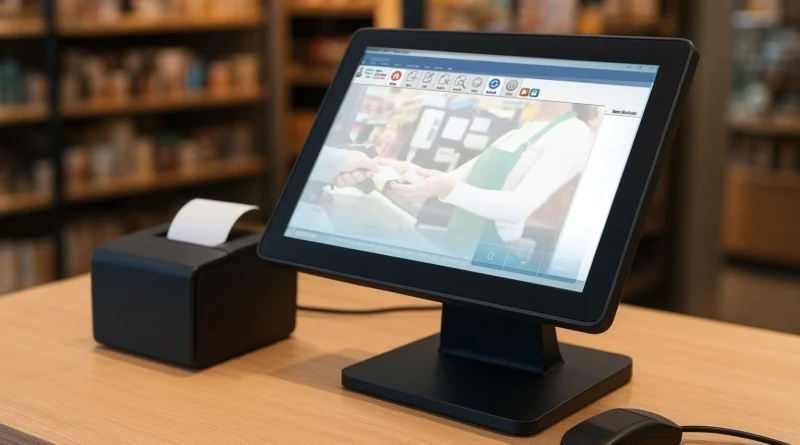
Maintenance and Technical Support for Full POS Systems
Importance of Maintenance in POS Technology
Maintenance plays a crucial role in ensuring the long-term reliability and performance of business technology infrastructure. Point-of-sale platforms handle critical operations such as payment processing, inventory tracking, and customer data management. Without regular maintenance, system performance may degrade over time, leading to transaction delays, software errors, or security vulnerabilities.
Businesses that rely on automated checkout environments must prioritize preventive maintenance strategies. Routine system checks help identify potential technical issues before they affect daily operations. Cleaning hardware components, updating software modules, and monitoring network performance are essential practices for maintaining system stability.
Technical maintenance is not limited to hardware alone. Software optimization, database management, and security updates are equally important. A well-maintained system reduces operational risk and improves customer service quality.
Modern business operations benefit from using advanced solutions such as the Full POS System. This Full POS System integrates sales processing, inventory management, and reporting tools into one platform, simplifying maintenance tasks while improving overall operational efficiency.
Hardware Maintenance and Device Management
POS hardware components require regular inspection and cleaning to ensure proper functionality. Dust accumulation, cable wear, and mechanical fatigue can affect device performance. Receipt printers, barcode scanners, and payment terminals are particularly sensitive to environmental conditions.
Thermal printers require periodic cleaning of printing heads to maintain print quality. Scanner lenses should be cleaned to ensure accurate barcode recognition. Cash drawers and mechanical parts must be inspected for wear and tear.
Cable connections are another important maintenance focus. Loose or damaged cables can cause communication failures between POS terminals and peripheral devices. Businesses should check USB, Ethernet, and power connections regularly.
Power supply stability also affects hardware performance. Using surge protectors and uninterruptible power supply systems helps protect equipment from voltage fluctuations and sudden power outages.
Software Updates and System Optimization
Software maintenance is essential for protecting POS platforms from security threats and performance degradation. Developers frequently release software patches that fix bugs, improve functionality, and enhance system security.
Automatic update settings can help businesses keep POS applications up to date without manual intervention. However, major updates should be tested in controlled environments before full deployment to prevent operational disruptions.
Database optimization is another important technical task. As transaction records accumulate, database performance may slow down if indexing and storage management are not properly maintained. Regular database backups ensure data protection in case of system failures or cyberattacks.
Security maintenance is particularly important because POS systems process financial transactions. Strong password policies, user authentication mechanisms, and encryption technologies help protect sensitive customer information.
Technical Support Structure for POS Operations
Reliable technical support services are necessary for businesses using POS technology. Technical support teams assist with troubleshooting hardware failures, software errors, and network connectivity problems.
Support services are typically divided into several levels. First-level support handles basic operational issues such as device connection problems or user interface errors. Advanced technical teams handle complex system failures and integration issues.
Remote technical support has become popular because it allows technicians to diagnose and fix problems without visiting business locations. Remote monitoring tools help support teams detect performance anomalies and respond quickly.
Documentation and training resources are also part of technical support infrastructure. Employees should receive training on system operation, troubleshooting procedures, and security best practices.
Network Maintenance and Connectivity Management
Network performance directly affects POS system efficiency. Stable internet connectivity is especially important for cloud-based transaction platforms. Network congestion or signal interference can slow down data synchronization between terminals and servers.
Businesses should regularly test network speed, router performance, and firewall configuration. Using dedicated business networks for POS operations reduces interference from non-business traffic.
Cybersecurity protection is an important component of network maintenance. Firewalls, intrusion detection systems, and secure authentication protocols help prevent unauthorized access to business data.
Backup and Disaster Recovery Planning
Data backup strategies are essential for business continuity. Transaction records, customer databases, and inventory information must be stored securely to prevent data loss.
Cloud backup solutions provide additional protection by storing data in remote servers. Automated backup scheduling reduces the risk of human error.
Disaster recovery planning helps businesses restore operations quickly after system failures. Companies should maintain emergency response procedures and test recovery processes periodically.
Cost Considerations for Maintenance Services
Maintenance costs vary depending on system complexity and business size. Subscription-based technical support models are becoming common because they provide predictable expenses.
Investing in preventive maintenance is more cost-effective than repairing major system failures. Early problem detection reduces repair costs and prevents operational downtime.
Conclusion
Maintenance and technical support are critical components of successful Full POS System operation. Businesses must implement regular hardware inspection, software updates, network monitoring, and security protection strategies.
A reliable maintenance program improves system performance, enhances customer service quality, and protects business data. By prioritizing technical support and preventive care, organizations can ensure long-term operational stability and technological efficiency.
As retail and service industries continue to evolve, maintaining advanced POS infrastructure will remain essential for competitive business performance and sustainable growth.