
Is Trichlor the Right Pool Chemical? Understanding Its Benefits and Water Chemistry Impact
Maintaining clean, safe swimming pool water requires a dependable sanitation system and careful management of water chemistry. Chlorine-based products remain among the most widely used options because they help control bacteria, algae, and other microorganisms. One commonly selected option is trichlor, a stabilized chlorine compound available in several solid formulations. Its high available chlorine content and gradual dissolution make it useful for certain pool maintenance systems.
Choosing the right Trichlor Pool Chemical requires understanding how it works, what benefits it offers, and how it affects water balance over time. Although trichlor can provide convenient chlorine delivery, it also introduces cyanuric acid into pool water and can influence pH. These characteristics make regular testing and appropriate dosing essential when deciding whether it is suitable for a particular swimming pool.
What Is Trichlor Pool Chemical?
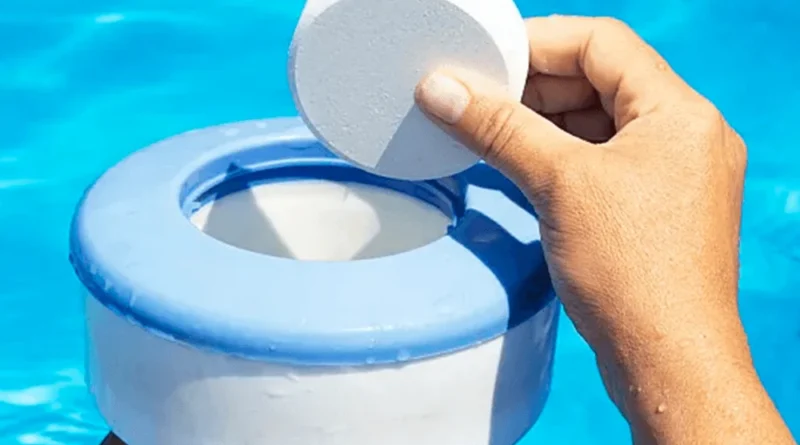
Trichlor, commonly known as trichloroisocyanuric acid (TCCA), is an organic chlorine compound used primarily for water disinfection. It is generally supplied as a solid product in tablet, granular, or powder form, with tablets being especially common in swimming pool maintenance.
Standard commercial TCCA products often contain approximately 90% available chlorine, although the exact specification depends on the product grade and manufacturer.
When trichlor dissolves in water, it releases available chlorine species, including hypochlorous acid. This active chlorine contributes to the inactivation of susceptible microorganisms.
Common product characteristics include:
- High available chlorine content in many commercial grades.
- Stabilized chlorine chemistry associated with cyanuric acid.
- Availability in compressed tablets and other solid formulations.
- Gradual dissolution in suitable dispensing systems.
- Convenient handling when used according to product instructions.
- Compatibility with selected residential and commercial pool applications.
The exact dissolution rate and chemical specifications vary between products. Buyers should review technical documentation before selecting a formulation.
How Does Trichlor Work in Swimming Pools?
Trichlor supplies chlorine to pool water through a dissolution process. Once the compound enters the water, chemical reactions make available chlorine accessible for disinfection.
Hypochlorous acid is an important active chlorine species. It can penetrate and disrupt essential biological functions in susceptible microorganisms, helping maintain sanitary water conditions.
However, effective disinfection depends on several factors beyond the amount of product added.
Available Chlorine
Available chlorine indicates the disinfecting capacity of the product. Trichlor’s relatively high available chlorine content makes it a concentrated source of chlorine for pool treatment.
The required quantity depends on pool volume, swimmer activity, sunlight exposure, contamination levels, and the target free chlorine residual.
Contact Time
Chlorine needs sufficient contact time with microorganisms to achieve the intended disinfection effect. Circulation, filtration, and water movement help distribute the disinfectant throughout the pool.
Water pH
Water pH influences the balance between hypochlorous acid and hypochlorite ions. Hypochlorous acid generally provides stronger disinfection activity, so maintaining an appropriate pH is important for effective chlorine treatment.
Water Circulation
A properly functioning circulation system helps distribute chlorine and prevents poorly mixed areas. Pool operators should ensure that pumps, filters, and return outlets operate according to the system’s design.
Key Benefits of Trichlor for Pool Maintenance
Trichlor offers several practical advantages, particularly for pools that use compatible tablet-dosing equipment.
1. High Available Chlorine Content
Many standard TCCA products provide approximately 90% available chlorine. This concentration allows users to supply a substantial amount of available chlorine from a relatively small quantity of solid product.
For pool operators, this can make chemical storage and routine dosing more convenient.
2. Gradual Dissolution
Trichlor tablets are designed to dissolve over time. When used in compatible feeders, they can provide a controlled supply of chlorine rather than requiring frequent manual addition.
Actual dissolution rates depend on water temperature, circulation, tablet size, compression, and feeder design.
3. Convenient Handling
Solid tablets are generally easy to portion and replace in suitable dispensing systems. Compared with some liquid chlorine products, they can simplify routine handling and storage.
Nevertheless, they remain oxidizing chemicals and require appropriate protective equipment and storage procedures.
4. Stabilized Chlorine
Trichlor contains cyanuric acid-related chemistry that helps protect chlorine from rapid degradation by ultraviolet sunlight.
This characteristic can be useful in outdoor swimming pools, where sunlight can otherwise reduce free chlorine levels.
5. Suitable for Automated Dosing Systems
Many trichlor tablets are designed for compatible automatic feeders. These systems can support routine chlorine delivery and reduce the need for frequent manual dosing.
Pool operators should always confirm tablet compatibility with the specific feeder.
Understanding Trichlor’s Impact on Water Chemistry
While trichlor provides several advantages, its effect on pool chemistry must be understood before adopting it as a long-term sanitation solution.
Cyanuric Acid Accumulation
One of the most important considerations is cyanuric acid accumulation.
Trichlor contributes cyanuric acid to pool water as it dissolves. Cyanuric acid helps protect chlorine from sunlight, but repeated use can gradually increase its concentration.
If cyanuric acid becomes excessive, it can reduce the effectiveness of chlorine at a given free chlorine reading. Pool operators should therefore monitor cyanuric acid regularly and follow applicable guidance when corrective action is necessary.
Effect on pH
Trichlor is acidic and tends to lower pool water pH during use. This can be beneficial in some pools where pH naturally rises, but excessive or uncontrolled use may cause the water to become too acidic.
Low pH can contribute to:
- Corrosion of metal components.
- Damage to certain pool surfaces and equipment.
- Irritation for swimmers.
- Changes in water balance.
- Increased maintenance requirements.
Regular pH testing helps operators identify and correct imbalances.
Total Alkalinity
Total alkalinity helps stabilize pH and reduce sudden fluctuations. Because trichlor is acidic, ongoing use may affect alkalinity management.
Pool operators should monitor total alkalinity alongside pH and make adjustments according to appropriate water-treatment guidance.
Chlorine Residual Management
A high chlorine concentration does not automatically mean better water quality. Excessive chlorine can create unpleasant conditions and may damage certain pool materials or equipment.
The goal is to maintain a suitable free chlorine residual based on the pool’s operating conditions and applicable standards.
When Is Trichlor a Suitable Choice?
Trichlor can be a suitable pool chemical when its characteristics match the pool’s maintenance requirements.
Outdoor Swimming Pools
Outdoor pools are exposed to sunlight, which can accelerate chlorine loss. Trichlor’s stabilized chlorine chemistry can help reduce this effect by contributing cyanuric acid to the water.
However, cyanuric acid levels must be monitored to prevent excessive accumulation.
Residential Pools
Homeowners may find trichlor tablets convenient because they can be used in compatible floating dispensers or automatic feeders.
The gradual dissolution characteristic can simplify routine sanitation, although regular testing remains essential.
Commercial Swimming Pools
Hotels, fitness centers, sports facilities, and other commercial venues may use trichlor as part of an established sanitation program.
Commercial operators should consider swimmer load, water turnover, dosing equipment, regulatory requirements, and the need for frequent water-quality monitoring.
Pools with Suitable pH Conditions
Because trichlor tends to lower pH, it may be useful in systems where pH naturally increases. However, this should be determined through regular testing rather than assumed.
Pools with low or unstable pH may require a different chlorine product or a carefully managed treatment strategy.
Trichlor Compared with Other Pool Chlorine Products
Trichlor is not the only chlorine source available for swimming pool sanitation. Comparing it with alternatives helps pool operators understand the advantages and limitations of each option.
| Product | Typical form | Main advantage | Water chemistry consideration |
|---|---|---|---|
| Trichlor | Tablets, granules | High available chlorine and stabilized chemistry | Adds cyanuric acid and tends to lower pH |
| Dichlor | Granules, powder, tablets | Stabilized chlorine with flexible dosing | Adds cyanuric acid |
| Calcium hypochlorite | Granules, powder, tablets | High available chlorine in many grades | Adds calcium and tends to raise pH over time |
| Sodium hypochlorite | Liquid | Convenient liquid dosing | Unstabilized chlorine; tends to raise pH |
Each product has different storage, dosing, and water-balance requirements. The best choice depends on pool conditions, equipment, maintenance practices, and local standards.
How to Use Trichlor Responsibly
Correct application is essential for maintaining pool sanitation without creating unnecessary chemical imbalances.
Follow Product Instructions
Always use the product according to the manufacturer’s label. Tablet size, available chlorine content, and feeder requirements may differ between brands.
Use Compatible Dispensing Equipment
Trichlor tablets should be used only in equipment designed for the specific product. Never place tablets in an incompatible feeder or combine them with other chemical products.
Test Water Regularly
A reliable testing routine should include:
- Free chlorine.
- pH.
- Total alkalinity.
- Cyanuric acid.
- Calcium hardness, where relevant.
- Other parameters required by the pool’s treatment program.
Testing frequency should reflect pool usage, weather conditions, and applicable operating standards.
Avoid Uncontrolled Dosing
Adding tablets without checking current water conditions can result in excessive chlorine or cyanuric acid accumulation. Dosing decisions should be based on pool volume, test results, product specifications, and the manufacturer’s instructions.
Maintain Circulation and Filtration
Good circulation helps distribute chlorine and supports overall water quality. Filters should also be maintained according to the manufacturer’s recommendations.
Storage and Safety Considerations
Trichlor is an oxidizing chemical, so safe storage and handling are essential.
Important precautions include:
- Store the product in a cool, dry, well-ventilated area.
- Keep containers tightly closed and protected from moisture.
- Separate trichlor from acids, ammonia, reducing agents, and combustible materials.
- Never mix it with other chlorine products or cleaning chemicals.
- Use appropriate gloves, eye protection, and protective clothing.
- Avoid inhaling dust from damaged tablets or granular products.
- Use clean, dry, dedicated equipment for handling.
- Keep the chemical away from children and unauthorized personnel.
- Follow the safety data sheet and local chemical-storage requirements.
Contact between trichlor and acids or ammonia can release hazardous gases. Tablets should never be mixed directly with other chemicals, even if both products are intended for pool maintenance.
Common Mistakes When Choosing Trichlor
Although trichlor is a widely used pool disinfectant, some selection and maintenance mistakes can reduce its effectiveness.
Ignoring cyanuric acid levels: Repeated use can cause cyanuric acid to accumulate. Monitoring is necessary to maintain appropriate chlorine performance.
Using incompatible feeders: Tablet dimensions and formulation should match the dispensing equipment.
Overlooking pH changes: Trichlor tends to lower pH, so ongoing use may require water-balance adjustments.
Relying only on tablet appearance: Similar-looking tablets may have different specifications, dissolution characteristics, or quality standards.
Neglecting product documentation: Buyers should review certificates of analysis, technical data sheets, and safety data sheets before purchasing.
Avoiding these mistakes can help pool owners maintain more predictable sanitation and reduce unnecessary maintenance problems.
How to Select a Reliable Trichlor Supplier
For commercial facilities and regular pool maintenance programs, supplier quality is an important purchasing consideration.
Before placing an order, buyers should evaluate:
- Chemical specifications: Confirm available chlorine content and product composition.
- Batch consistency: Request a certificate of analysis for the supplied batch.
- Technical documentation: Review product instructions and safety information.
- Packaging quality: Ensure containers protect the tablets against moisture and damage.
- Manufacturing standards: Consider relevant quality-management documentation.
- Supply reliability: Evaluate production capacity, delivery schedules, and communication.
A dependable supplier should provide clear specifications and consistent product quality across repeat orders.
Conclusion
Trichlor can be an effective and convenient pool chemical when its characteristics suit the water conditions and maintenance requirements of a swimming pool. Its high available chlorine content, gradual dissolution, and stabilized chemistry make it a practical option for many residential and commercial pool systems.
However, its contribution to cyanuric acid levels and its tendency to lower pH require careful management. Pool operators should regularly monitor free chlorine, pH, total alkalinity, and cyanuric acid rather than relying on tablet dosing alone.
Ultimately, deciding whether trichlor is the right choice involves evaluating the complete water chemistry, dosing equipment, and maintenance routine. With suitable product selection, responsible handling, and consistent testing, it can play a useful role in a well-managed pool sanitation program.


