
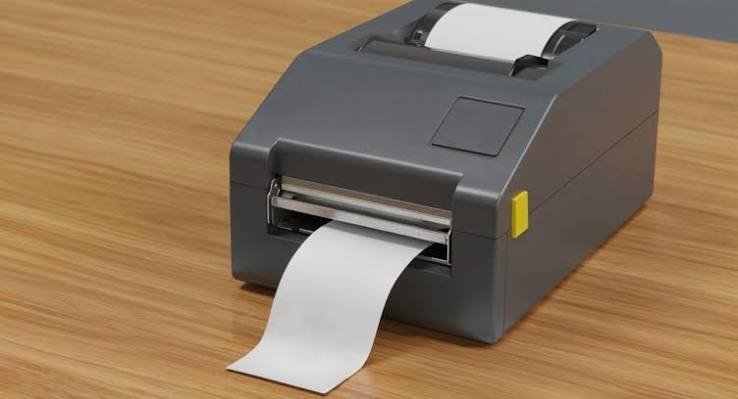
How Thermal Printer Manufacturers Meet the Needs of Global Markets
Thermal printing technology plays an important role in business operations across different regions and industries. Retail stores use receipt printers for daily transactions, logistics companies depend on barcode and shipping label printers, and healthcare facilities require reliable equipment for records and identification. Although these applications share similar printing principles, businesses in different markets often have distinct technical, commercial, and regulatory requirements.
To serve these varied needs, manufacturers must adapt their products, production strategies, and support services to international customers. A capable Thermal Printer Manufacturer considers factors such as regional preferences, connectivity standards, product specifications, certification requirements, and distribution arrangements. Understanding these market differences helps manufacturers develop equipment that can serve businesses across multiple countries.
1. Understanding Different Regional Market Requirements
Global markets are not uniform. Businesses in different countries may use thermal printers for similar tasks but operate under different conditions and expectations.
For example, a retailer in one region may prioritize compact receipt printers with USB connectivity, while a logistics company elsewhere may require high-volume barcode label printing with network communication.
Manufacturers study these differences to determine which products and configurations are suitable for each market.
Important considerations include:
- Common business applications.
- Preferred printer types and specifications.
- Local technology infrastructure.
- Customer purchasing behavior.
- Industry-specific requirements.
- Regional pricing expectations.
Understanding these factors helps manufacturers avoid offering a single product configuration for markets with significantly different needs.
2. Offering Diverse Thermal Printer Product Categories
A varied product portfolio allows manufacturers to serve customers across different industries and business sizes.
Common thermal printer categories include:
Receipt printers: Used in retail stores, restaurants, supermarkets, and other point-of-sale environments.
Label printers: Designed for product identification, inventory management, shipping labels, and warehouse operations.
Barcode printers: Used to produce machine-readable labels for tracking and identification.
Portable printers: Suitable for mobile workers, delivery services, field operations, and other applications requiring printing away from a fixed workstation.
Industrial printers: Designed for demanding labeling environments where higher workloads and specialized media requirements may apply.
Providing different product categories enables manufacturers to address varied customer needs while supporting distributors that serve multiple industries.
3. Adapting Product Specifications to Local Applications
Printer specifications can influence how effectively equipment performs in a particular business environment.
Manufacturers must consider requirements such as printing resolution, speed, media width, connectivity, and operating conditions.
For instance, businesses printing detailed product labels may require a different resolution from those producing standard transaction receipts. Similarly, a warehouse with continuous printing requirements may prioritize mechanical durability and stable performance.
Manufacturers can support different applications by offering suitable model configurations and technical specifications.
This approach allows international buyers to select products according to actual operating requirements rather than paying for unnecessary features.
4. Supporting Multiple Connectivity Standards
Connectivity is an important consideration because thermal printers must communicate with different devices and business systems.
Global customers may use a combination of desktop computers, point-of-sale terminals, mobile devices, and networked equipment.
Common connection options include:
- USB: Suitable for direct connections with computers and compatible terminals.
- Ethernet: Supports network-based printing in offices, retail environments, and warehouses.
- Bluetooth: Allows communication with compatible mobile devices.
- Wi-Fi: Provides wireless connectivity where cable-free installation is preferred.
- Serial interfaces: May be required for certain legacy systems and specialized equipment.
Manufacturers need to ensure that supported interfaces work reliably with the intended printer models and software environments.
Offering different connectivity configurations can make products more suitable for international customers with varied technical infrastructure.
5. Meeting Regional Software and Operating System Requirements
Thermal printers are often integrated into software systems that manage sales, inventory, shipping, and business records.
However, software environments can differ between countries and industries. Some businesses use widely available point-of-sale applications, while others depend on specialized platforms developed for local markets.
Manufacturers can improve compatibility by supporting appropriate printer drivers, software development kits, command languages, and technical documentation.
Before purchasing equipment, international buyers should confirm compatibility with their existing systems.
Manufacturers may also provide integration guidance or testing support to help identify software-related issues before products are distributed.
6. Complying with International Product Standards
Different markets may have different requirements for electrical safety, electromagnetic compatibility, wireless communication, and environmental compliance.
Thermal printer manufacturers must identify the regulations that apply to their target destinations and product configurations.
Depending on the market, relevant requirements may involve:
- Electrical safety testing.
- Electromagnetic compatibility.
- Radio equipment compliance for wireless models.
- Restrictions on certain hazardous substances.
- Energy-related requirements where applicable.
- Product labeling and documentation.
Manufacturers should maintain accurate technical records and provide relevant certificates or test reports when requested.
Importantly, buyers should verify that documentation applies to the exact printer model and destination market rather than assuming that one certification covers every product.
7. Providing Customization for International Buyers
Global distributors and business customers may want printers that match their own brands or meet market-specific requirements.
Customization can help manufacturers address these preferences through OEM and ODM services.
Common options include:
- Company logo printing.
- Customized housing colors.
- Private-label packaging.
- Localized instruction manuals.
- Selected hardware configurations.
- Firmware or software adjustments.
- Model-specific accessories.
For example, a distributor may require branded packaging and documentation in a local language. Another customer may need a specific communication interface to support existing business equipment.
Manufacturers should evaluate the technical feasibility, development cost, and minimum order requirements of each customization request.
8. Supporting Different Business Sizes and Order Volumes
International markets include small retailers, regional distributors, large commercial chains, and industrial organizations. These customers have different purchasing capacities and production requirements.
Manufacturers should be prepared to handle varying order quantities while maintaining consistent product quality.
A flexible production strategy may include:
- Standard models for regular orders.
- Sample quantities for product evaluation.
- Customized batches for private-label customers.
- Larger production runs for distributors.
- Repeat-order planning for established partners.
Clear minimum order quantities and production schedules help international buyers plan purchasing decisions.
Manufacturers should also communicate any limitations associated with customized orders, particularly when special materials or components are required.
9. Maintaining Consistent Quality Across Global Shipments
Product consistency is especially important when printers are supplied to customers in multiple countries.
Differences between production batches can affect printing performance, product appearance, and customer satisfaction.
Manufacturers can reduce these risks through standardized specifications and quality control procedures.
Important checks may include:
Component inspection: Verify that incoming printheads, motors, sensors, circuit boards, and other parts meet the required specifications.
Assembly inspection: Check housing quality, mechanical alignment, and electrical connections.
Functional testing: Evaluate printing performance, paper feeding, and supported communication interfaces.
Packaging inspection: Confirm that products and accessories are correctly packed for shipment.
Final verification: Compare finished products with approved samples and customer requirements.
Consistent procedures help manufacturers maintain predictable product quality regardless of the destination market.
10. Managing International Supply Chains
Thermal printer manufacturing depends on the availability of electronic components, mechanical parts, packaging materials, and other production inputs.
International supply chains can be affected by transportation delays, component shortages, changing prices, and supplier capacity limitations.
Manufacturers need effective procurement and inventory management strategies to maintain production schedules.
Useful approaches include maintaining relationships with multiple qualified suppliers, monitoring component availability, planning inventory according to demand, and identifying suitable alternative parts.
Any component substitution should be evaluated carefully to ensure that it does not affect product performance or violate agreed specifications.
Supply chain planning is particularly important for businesses that depend on regular shipments to maintain inventory in different countries.
11. Offering Packaging and Documentation for Different Markets
Packaging and product documentation help international customers understand, transport, and use thermal printers correctly.
Manufacturers may need to adapt these materials according to customer preferences and destination requirements.
Possible arrangements include:
- Localized user manuals.
- Multilingual product labels.
- Region-specific warranty information.
- Customized retail packaging.
- Export cartons designed for transportation.
- Product identification and barcode labels.
Clear documentation can reduce installation difficulties and improve the user experience.
Packaging should also provide adequate protection against impact, moisture, and handling damage during international transportation.
12. Understanding International Pricing and Commercial Requirements
Price expectations vary between markets because of differences in purchasing power, distribution costs, competition, taxes, and import expenses.
Manufacturers must develop pricing structures that reflect production costs while remaining suitable for their target customer segments.
International quotations should clearly identify:
- Unit prices.
- Minimum order quantities.
- Customization charges.
- Packaging expenses.
- Sample costs.
- Shipping arrangements.
- Payment terms.
- Quotation validity.
Buyers should also clarify which party is responsible for freight, insurance, customs documentation, and import-related charges.
Transparent pricing helps prevent misunderstandings and allows distributors to calculate their expected margins more accurately.
13. Building Reliable Distribution Partnerships
Manufacturers often depend on international distributors, wholesalers, and resellers to reach customers in different regions.
Strong distribution relationships can improve product availability, local market knowledge, and customer support.
Before establishing a partnership, manufacturers and distributors should discuss territory arrangements, product responsibilities, marketing resources, order forecasts, and technical support.
Distributors may also provide valuable feedback about customer preferences, competitor products, and changing market demand.
This information can help manufacturers improve their product offerings and make more informed decisions about future development.
14. Providing Technical Support Across Different Time Zones
International customers may require assistance with installation, configuration, troubleshooting, and maintenance.
Time-zone differences and language barriers can make technical support more challenging.
Manufacturers can address these issues by providing clear documentation, organized communication channels, product troubleshooting guides, and appropriate technical resources.
Depending on their service arrangements, they may also offer remote assistance, firmware guidance, and replacement part coordination.
For distributors, it is important to establish how customer complaints and warranty cases will be handled before beginning a long-term partnership.
15. Responding to Changing Global Market Trends
Thermal printing requirements continue to evolve as businesses adopt new technologies and operating methods.
The growth of e-commerce, automated inventory systems, mobile commerce, and digital logistics has increased demand for reliable receipt and label printing solutions.
Manufacturers must monitor these developments to understand which product features are becoming more important.
Emerging areas of attention include:
- Improved wireless connectivity.
- More compact printer designs.
- Better energy efficiency.
- Enhanced barcode and label accuracy.
- Easier integration with business software.
- More durable components.
- Simplified device management.
Manufacturers that regularly review market developments can adapt their product strategies and remain relevant to changing customer requirements.
16. Developing Products for Different Industry Environments
A thermal printer designed for a retail counter may not be suitable for every industrial or commercial application.
Different industries place different demands on printing equipment.
For example, healthcare facilities may require clear and reliable identification labels, while logistics operations often need accurate barcode printing and efficient media handling.
Manufacturers should consider factors such as printing frequency, environmental conditions, media specifications, installation space, and integration requirements.
Industry-focused product development helps businesses select equipment that supports their workflows more effectively.
17. How International Buyers Can Evaluate a Manufacturer
Manufacturers must adapt to global requirements, but buyers also have a responsibility to evaluate potential suppliers carefully.
Before entering an international partnership, consider the following areas:
- Product range: Check whether the manufacturer offers suitable models for your target applications.
- Technical capabilities: Review supported resolutions, printing speeds, interfaces, and software compatibility.
- Quality management: Ask about component inspection and finished-product testing.
- Compliance documentation: Verify applicable certificates and regulatory requirements.
- Production capacity: Confirm whether the manufacturer can support expected order volumes.
- Customization services: Discuss branding, packaging, and technical modifications.
- Commercial terms: Review pricing, payment conditions, and delivery arrangements.
- After-sales support: Understand warranty coverage and spare parts availability.
A structured evaluation helps businesses identify manufacturers that can support their specific markets and long-term requirements.
Conclusion
Thermal printer manufacturers meet the needs of global markets by adapting product specifications, connectivity options, software support, customization services, quality procedures, and distribution strategies. They must also consider regional regulations, international supply chains, pricing expectations, and after-sales requirements.
For international buyers, selecting a suitable manufacturing partner involves looking beyond product availability and evaluating the complete business relationship. Manufacturers that understand regional differences and maintain consistent production standards are better positioned to serve diverse industries and support long-term customer relationships.