
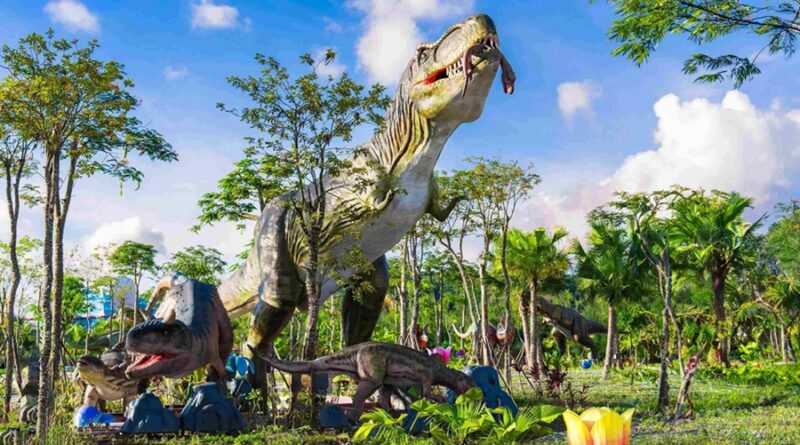
Giant Dinosaur Costumes: Practical Design Considerations for Parades and Live Performances
Giant dinosaur costumes create an impressive visual presence at parades, festivals, theme parks, stage productions, and public entertainment events. Their oversized proportions, recognizable prehistoric features, and dramatic movements naturally attract attention, making them effective tools for creating memorable audience experiences. From towering Tyrannosaurus characters to large, friendly herbivores, these costumes can turn an ordinary performance into an exciting spectacle.
However, designing a large dinosaur costume involves more than increasing the size of a standard outfit. Weight distribution, structural support, performer mobility, visibility, transportation, and audience safety all become more important as the costume grows. When planning a Giant Dinosaur Costume, event organizers and designers should consider both its visual impact and the practical requirements of using it in crowded public spaces.
1. Choosing the Right Dinosaur Character
The dinosaur species or character determines the costume’s overall shape, proportions, and performance style. Some dinosaurs naturally lend themselves to oversized designs, while others require more specialized structures.
Popular options include:
- Tyrannosaurus rex: A large head, powerful jaw, short forelimbs, and prominent tail create a dramatic character.
- Brachiosaurus: Its long neck and tall body provide an impressive silhouette for large-scale displays.
- Triceratops: Its broad frill and three facial horns make it recognizable from a distance.
- Stegosaurus: Large back plates and a spiked tail create a distinctive outline.
- Spinosaurus: Its elongated snout and prominent back sail offer a dramatic appearance.
The choice should reflect the event’s theme and audience. A dramatic predator may suit a theatrical parade, while a friendly herbivore may be more appropriate for family-oriented entertainment.
2. Establishing the Overall Size and Proportions
The size of a giant dinosaur costume should be planned according to the performance environment. A design that looks impressive on an open stage may be difficult to use inside a shopping center or along a narrow parade route.
Designers should evaluate:
- Total costume height and length
- Head and body proportions
- Tail length and turning space
- Width of the costume
- Performer height and body measurements
- Available entrance and exit dimensions
- Ceiling clearance for indoor appearances
Proportions are especially important. Simply enlarging every feature may produce an awkward appearance. The head, torso, legs, and tail should maintain a consistent relationship so the character looks intentional and visually balanced.
3. Lightweight Materials for Large-Scale Construction
Material selection has a major influence on the comfort and practicality of a giant dinosaur costume. Heavy materials can make walking difficult and increase fatigue, especially during long parades or repeated performances.
Common material options include:
| Material | Characteristics | Possible applications |
|---|---|---|
| EVA foam | Lightweight and easy to shape | Decorative details and body structures |
| Upholstery foam | Soft and adaptable | Padding and body shaping |
| Polyester fabric | Flexible and available in different textures | Outer coverings |
| Thermoplastic materials | Can maintain defined shapes | Structural details and facial components |
| Fiberglass | Rigid and suitable for shaped components | Selected exterior structures |
| Lightweight plastic | Can provide support with relatively low weight | Frames and decorative sections |
A combination of materials is often more practical than relying on one material for the entire costume. Designers can use stronger components where structural support is needed and lighter materials for large exterior surfaces.
Material choices should also account for durability, weather conditions, cleaning, and repair requirements.
4. Designing a Strong but Lightweight Internal Structure
A giant dinosaur costume needs an internal framework that supports its shape and distributes weight appropriately. Without a stable structure, oversized body sections may sag, shift, or become difficult to control.
The internal frame may incorporate lightweight metal, reinforced plastic, or other suitable structural materials.
Important design considerations include:
- Stable support points
- Balanced weight distribution
- Secure connections between sections
- Protection for moving components
- Space for ventilation and internal padding
- Convenient access for inspection and maintenance
The frame should support the costume without placing unnecessary pressure on the performer. For particularly large designs, the structural system may need to transfer some of the costume’s weight to a suitable support arrangement rather than relying entirely on the wearer’s body.
5. Head Design and Facial Features
The head is usually the most noticeable feature of a giant dinosaur costume. Its size, shape, and facial details help establish the character’s identity, particularly when viewed from a distance.
A convincing head design may include:
- A species-appropriate skull shape
- Defined eye sockets and brows
- Sculpted nostrils
- Detailed teeth and jawlines
- Textured skin surfaces
- Carefully selected colors and markings
Large facial features should remain proportionate to the body. Designers should also consider the viewing distance of the audience. Details that look subtle up close may become difficult to recognize from across a parade route or large performance venue.
If the head is wearable, its internal structure must provide adequate visibility, ventilation, and secure fitting.
6. Tail Length and Movement Control
The tail contributes significantly to the silhouette of many dinosaur characters. On a giant costume, it can become one of the most challenging parts to manage.
A long tail may improve the dinosaur’s visual impact, but it also requires enough space to move safely. Its construction should balance appearance, weight, flexibility, and control.
Designers should consider:
- Tail length relative to the body
- Lightweight internal supports
- Flexible attachment points
- Controlled movement during turns
- Clearance from nearby visitors
- Secure connections to the main costume
Some tails move naturally as the performer walks, while others incorporate flexible or controlled mechanisms. The design should avoid excessive swinging, particularly in crowded parade environments.
7. Performer Mobility and Movement
A giant costume must allow the performer to move safely and predictably. Large body sections can restrict natural movement, while oversized heads and tails may change the wearer’s balance.
Useful movement capabilities include:
- Walking at a controlled pace
- Turning within a suitable radius
- Making simple gestures
- Tilting or moving the head
- Performing rehearsed character actions
- Maintaining stable footing
Running, jumping, and sudden turns are generally unsuitable for oversized costumes unless the design and performance area specifically support those activities.
Before an event, performers should practice walking, turning, stopping, and interacting with assistants while wearing the complete costume.
8. Ventilation and Heat Management
Large costumes can trap heat, especially when they include thick padding, enclosed headpieces, or multiple layers of material. Ventilation is therefore essential for performer comfort.
Potential design features include:
- Breathable internal fabrics
- Strategically positioned ventilation openings
- Lightweight padding
- Internal fans where appropriate
- Moisture-managing clothing
- Convenient access for breaks
The ventilation system should provide sufficient airflow without compromising the costume’s structure or external appearance.
Event organizers should schedule regular rest periods, provide drinking water, and monitor temperature conditions. Outdoor parades in warm weather require particular attention to heat management.
9. Visibility and Performer Awareness
Visibility is one of the most important safety considerations for oversized dinosaur costumes. Large heads and body structures can block the performer’s view of the surrounding environment.
Designers should identify suitable viewing areas and ensure that the wearer can recognize obstacles, people, and changes in floor level.
Important considerations include:
- Clear viewing panels or mesh
- Suitable positioning of viewing openings
- Adequate lighting inside the costume
- Unobstructed movement paths
- Assistance from trained spotters
- Safe procedures for crowded areas
A spotter can walk alongside or ahead of the performer to help navigate narrow routes and identify potential hazards. This is especially valuable during parades where spectators may approach the costume unexpectedly.
10. Using Giant Dinosaur Costumes in Parades
Parades create a distinctive environment because costumes must move continuously along a planned route while interacting with spectators.
A giant dinosaur character can become a central attraction, but its design must account for route dimensions, crowd density, turning areas, and the duration of the procession.
Before the event, organizers should check:
- Road and pathway width
- Overhead clearance
- Entry and exit points
- Turning areas
- Surface conditions
- Distance between performers and spectators
- Emergency access routes
The costume should be tested along a route that resembles the actual parade environment. This helps identify problems involving tail clearance, turning space, and movement speed.
A rehearsed performance routine can also make the character more engaging. Simple head movements, gestures, and carefully timed pauses can create entertaining moments without requiring complicated actions.
11. Designing for Stage Shows and Live Performances
Live performances often require a different approach from parades. A stage costume may need to perform within a controlled area and coordinate with lighting, sound, music, and other performers.
Designers should consider:
- Stage dimensions
- Entrance and exit routes
- Floor surface and grip
- Lighting conditions
- Performer movement sequences
- Sound system requirements
- Visibility from different audience positions
Large costumes should be tested under the actual stage lighting where possible. Strong shadows and changing light conditions can affect how facial details and surface textures appear.
For theatrical productions, a simple movement sequence may be more effective than continuous activity. A dramatic entrance followed by a controlled head turn or roar can create a strong impression.
12. Mechanical Movement and Special Effects
Some giant dinosaur costumes incorporate mechanical features to increase realism and audience engagement.
Possible additions include:
- Moving jaws
- Blinking eyes
- Head rotation or tilting
- Tail movement
- Sound effects
- Internal lighting
- Coordinated movement sequences
These features can make the dinosaur appear more expressive, but they also add weight, electrical requirements, and maintenance needs.
Mechanical systems should be designed around the size and weight of each moving component. Controls must be accessible and reliable, while moving parts should be protected against accidental contact.
For public performances, the design should include suitable movement limits and an accessible way to stop powered features if necessary.
13. Sound Design for Audience Engagement
Sound effects can make a giant dinosaur character feel more imposing and interactive. Roars, growls, breathing sounds, and footsteps can support the visual performance.
Sound systems may be integrated into the costume or operated by an external assistant.
When selecting audio effects, organizers should consider:
- Speaker placement
- Sound clarity
- Volume appropriate to the venue
- Battery capacity
- Control accessibility
- Synchronization with movements
A well-timed roar can create a memorable moment, while constant loud sounds may become distracting. Coordinating audio with the performer’s actions generally produces a more convincing result.
14. Safety Planning for Public Events
Large dinosaur costumes require careful safety planning because their size can affect both performers and spectators.
Before each performance, organizers should inspect the costume and surrounding area.
Key precautions include:
- Checking frame stability and fasteners
- Confirming secure head and body attachments
- Inspecting tail connections
- Ensuring adequate visibility
- Testing ventilation systems
- Checking footwear and floor grip
- Keeping mechanical components protected
- Establishing clear movement boundaries
- Providing trained assistants or spotters
The performer should have a clear way to communicate with event staff and exit the costume if necessary.
Crowd interaction should also be planned. Spectators should not pull on the costume, climb onto it, or stand within areas where the tail and other large components may move.
15. Transportation and Setup
Giant costumes can be difficult to transport because of their size and unusual shapes. A costume designed for repeated events should be planned with storage and transportation in mind.
Useful design considerations include:
- Detachable head or tail sections
- Modular body components
- Protective transport cases
- Foldable or removable supports
- Clearly organized accessories
- Convenient assembly connections
Before purchasing or commissioning a large costume, organizers should check the dimensions of their vehicles, storage rooms, loading areas, and venue entrances.
A practical setup procedure can reduce preparation time and help prevent damage during assembly.
16. Cleaning and Long-Term Maintenance
Regular maintenance helps preserve the costume’s appearance and structural reliability. Large costumes may have several materials and components, each requiring a different care method.
A maintenance routine should include:
- Inspecting the outer surface after every event.
- Removing dust and dirt using suitable cleaning methods.
- Checking seams, fasteners, and attachment points.
- Inspecting the internal frame for damage.
- Examining the head and tail for loose components.
- Testing fans, motors, and sound systems where fitted.
- Drying damp materials before storage.
- Keeping the costume in a clean, protected space.
Large headpieces and decorative structures should be stored so they are not compressed or distorted. Mechanical components may require periodic servicing by qualified technicians.
17. What to Consider Before Buying a Giant Dinosaur Costume
A purchasing decision should take the intended event and operating conditions into account. Buyers should compare the design, construction, and practical features rather than focusing only on appearance.
| Buying consideration | Why it matters |
|---|---|
| Overall dimensions | Determines whether the costume fits the venue and route |
| Weight | Influences performer comfort and mobility |
| Internal structure | Supports stability and shape retention |
| Materials | Affect durability, flexibility, and maintenance |
| Visibility | Helps the performer navigate safely |
| Ventilation | Supports comfort during extended use |
| Mechanical features | Determines movement and sound capabilities |
| Transportation | Affects storage and setup requirements |
| Maintenance | Influences long-term operating costs |
It is also useful to ask about customization, performer fitting, replacement parts, assembly instructions, and maintenance support before making a final decision.
Conclusion
Giant dinosaur costumes can transform parades and live performances into memorable entertainment experiences. Their impressive size and recognizable prehistoric features attract attention, but successful designs depend on much more than appearance.
Lightweight construction, stable internal support, balanced proportions, controlled movement, ventilation, visibility, and safe operation are all essential considerations. Transportation and maintenance also influence how practical a costume will be for repeated events.
By planning these factors carefully, designers and event organizers can create giant dinosaur characters that deliver strong visual impact while supporting comfortable performances and safer audience interaction.