
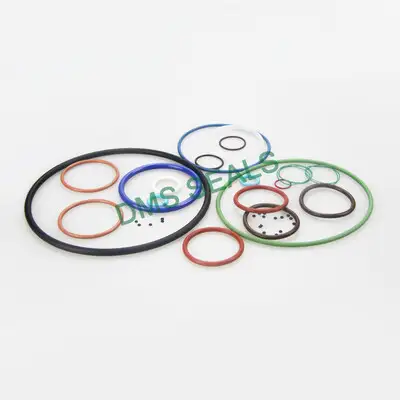
Finding an O-Ring Seal Supplier for Hydraulic and Pneumatic Systems
Hydraulic and pneumatic systems depend on effective sealing to maintain pressure, prevent leakage, and support reliable equipment operation. O-rings are among the most commonly used sealing components in these systems because of their simple design, versatility, and ability to create a seal when properly compressed. They are found in hydraulic cylinders, pneumatic valves, pumps, compressors, fittings, and many other components.
Choosing the right supplier is important because sealing requirements can vary significantly between applications. A dependable O Ring Seal Supplier should understand the differences between hydraulic and pneumatic environments, offer appropriate material options, and provide products that meet dimensional and performance specifications. Evaluating these factors helps businesses source seals that support equipment reliability and reduce maintenance concerns.
Understanding O-Ring Requirements in Hydraulic Systems
Hydraulic systems use pressurized liquids to transmit power. Because these systems can operate at substantial pressures, their seals must withstand fluid exposure, mechanical stress, and repeated operating cycles.
O-rings are commonly used in hydraulic cylinders, pumps, control valves, and connectors. Their performance depends on several factors, including material compatibility, hardness, groove design, and pressure conditions.
Pressure Resistance
Hydraulic applications may expose O-rings to high operating pressures and sudden pressure changes. The seal must maintain sufficient contact with the sealing surfaces without excessive deformation.
In higher-pressure applications, engineers may consider the use of backup rings to help reduce extrusion into clearance gaps. The appropriate design depends on pressure, temperature, material hardness, and equipment configuration.
Hydraulic Fluid Compatibility
The O-ring material must be compatible with the hydraulic fluid in use. Petroleum-based hydraulic oils, synthetic fluids, and specialized hydraulic media can have different effects on elastomers.
Nitrile rubber is commonly used with many petroleum-based hydraulic fluids, while FKM may be suitable for certain higher-temperature or chemically demanding environments. The exact compound should always be checked against the fluid manufacturer’s compatibility information.
Resistance to Wear and Compression Set
Hydraulic seals may experience repeated compression and movement. Over time, unsuitable materials can lose elasticity or develop surface damage.
Compression set is particularly important because it describes the permanent deformation that remains after rubber has been compressed. Excessive compression set can reduce the seal’s ability to maintain contact pressure and prevent leakage.
Understanding O-Ring Requirements in Pneumatic Systems
Pneumatic systems use compressed air or gas to operate machinery and control equipment. Although their operating pressures are often different from those of hydraulic systems, reliable sealing remains essential.
O-rings are used in pneumatic cylinders, valves, regulators, air preparation units, and connecting fittings.
Low-Friction Performance
Moving components in pneumatic systems may require seals that provide effective sealing without creating excessive friction. Material selection, surface finish, lubrication, and groove design all influence movement.
An unsuitable O-ring may cause increased resistance, irregular motion, or premature wear.
Air Leakage Prevention
Even small leaks can reduce pneumatic system efficiency and increase compressor operating costs. Properly sized O-rings help maintain pressure and prevent unnecessary air loss.
Correct cross-sectional dimensions and appropriate compression are important for creating a dependable seal.
Environmental Resistance
Pneumatic equipment may operate in workshops, outdoor installations, production facilities, and environments with exposure to moisture or cleaning agents. The selected elastomer should be suitable for these conditions.
EPDM, NBR, and other elastomers may be considered depending on the application, but compatibility should be confirmed rather than assumed.
Important Materials for Hydraulic and Pneumatic O-Rings
A suitable supplier should offer material options that address different operating requirements. Common elastomers include the following.
Nitrile Rubber (NBR)
NBR is widely used in hydraulic and pneumatic applications because it provides good resistance to many petroleum-based oils and fuels. It is commonly found in pumps, cylinders, valves, and industrial machinery.
Its suitability depends on the specific compound, operating temperature, and fluid composition.
Fluorocarbon Rubber (FKM)
FKM is often selected for applications involving elevated temperatures, oils, fuels, and certain chemicals. It can be useful in demanding industrial environments where the selected grade offers the required compatibility.
Ethylene Propylene Diene Monomer (EPDM)
EPDM is commonly used in applications involving water, steam, ozone, and weather exposure. It is suitable for many environmental conditions but is generally not recommended for petroleum-based oils and fuels.
Silicone Rubber
Silicone provides flexibility across a broad temperature range and is used in specialized sealing applications. However, its mechanical properties and suitability for dynamic sealing should be evaluated carefully.
Polyurethane
Polyurethane is often used in hydraulic sealing applications where abrasion resistance and mechanical strength are important. Its suitability depends on the formulation and operating environment.
Key Factors When Choosing an O-Ring Supplier
Finding a supplier requires more than checking whether standard sizes are available. Businesses should evaluate technical knowledge, production capabilities, product quality, and supply reliability.
1. Knowledge of Hydraulic and Pneumatic Applications
A supplier should understand the different demands of hydraulic and pneumatic equipment. Hydraulic applications may require attention to fluid compatibility, pressure resistance, and extrusion, while pneumatic systems may place greater emphasis on friction, air leakage, and movement.
Ask whether the supplier can discuss these requirements and help identify suitable material and dimensional specifications.
2. Material Range and Product Availability
Compare the elastomer options offered by different suppliers. A broader material range can be useful when a business operates equipment under different conditions.
Also check whether commonly required sizes are available and whether specialized materials can be sourced or manufactured when needed.
3. Dimensional Accuracy
O-ring dimensions must match the equipment’s groove and sealing arrangement. Important measurements include inside diameter and cross-sectional thickness.
Suppliers should have inspection procedures to verify dimensions and maintain consistency between production batches.
4. Manufacturing and Customization Capabilities
Some hydraulic and pneumatic systems use non-standard sealing dimensions. A capable supplier should be able to review technical drawings, samples, or measurements and determine whether custom production is possible.
Ask about available molding methods, tooling, tolerances, and sample approval procedures.
5. Quality Control and Testing
Reliable suppliers should have documented procedures for inspecting materials and finished products. Depending on the application, these may include:
- Dimensional measurement
- Visual inspection
- Hardness testing
- Tensile strength and elongation testing
- Compression set evaluation
- Fluid compatibility or aging tests
The relevant tests depend on the material and the requirements of the finished component.
Questions to Ask Before Placing an Order
Clear communication helps ensure that the supplier understands the application and provides the correct product.
Before ordering, consider asking:
- Which materials are suitable for the hydraulic fluid or compressed gas involved?
- What dimensions and tolerances can be supplied?
- Are different hardness grades available?
- Can the supplier manufacture custom O-rings?
- What inspection and testing procedures are followed?
- Can material or batch documentation be provided?
- What are the lead times for standard and custom orders?
- Can repeat orders be produced to the same approved specifications?
Providing complete application information allows the supplier to respond more accurately and reduces the likelihood of specification errors.
The Importance of Correct O-Ring Installation
Even a well-manufactured O-ring can fail if it is installed incorrectly. Installation practices should therefore be considered alongside product selection.
Common installation problems include twisting, stretching beyond recommended limits, cutting against sharp edges, and using incompatible lubricants. Contamination or damage to the sealing groove can also affect performance.
To reduce installation-related problems:
- Inspect the groove and mating surfaces before fitting the seal.
- Remove dirt, metal particles, and other contaminants.
- Use a compatible lubricant where appropriate.
- Avoid twisting or sharply stretching the O-ring.
- Check that the seal is seated correctly before assembling the equipment.
- Follow the equipment manufacturer’s installation instructions.
Correct installation helps the O-ring achieve the intended compression and reduces unnecessary wear.
Why Supply Consistency Matters
Industrial facilities often need replacement O-rings for scheduled maintenance and unexpected repairs. Inconsistent product quality or unreliable delivery can create delays and increase equipment downtime.
A dependable supplier should be able to support regular orders, maintain clear product specifications, and communicate expected delivery schedules. Batch identification and traceability can also help businesses verify that replacement products match previously approved requirements.
For companies managing multiple machines or production sites, maintaining an organized record of O-ring sizes, materials, and application details can make future procurement more efficient.
Common Mistakes to Avoid When Sourcing O-Rings
Businesses can reduce sourcing problems by avoiding several common mistakes:
- Choosing a material without checking compatibility: The wrong elastomer may swell, harden, or deteriorate when exposed to system fluids.
- Ignoring pressure conditions: Hydraulic systems may require additional attention to extrusion resistance and backup ring design.
- Overlooking dynamic movement: Pneumatic and hydraulic components may require materials suitable for repeated motion.
- Selecting incorrect dimensions: Poor dimensional fit can cause leakage or installation damage.
- Comparing suppliers only by price: Differences in testing, tolerances, and material quality can affect long-term costs.
- Failing to confirm repeat-order specifications: Replacement products should match the approved material and dimensional requirements.
A careful purchasing process helps prevent these issues and supports more reliable sealing performance.
Conclusion
Finding the right O-ring supplier for hydraulic and pneumatic systems requires a clear understanding of application conditions, material compatibility, dimensional requirements, and quality expectations. Hydraulic systems often demand attention to fluid resistance and pressure-related challenges, while pneumatic applications require dependable air sealing and suitable performance during movement.
By comparing suppliers based on technical knowledge, material availability, manufacturing capabilities, inspection procedures, and delivery reliability, businesses can make more informed sourcing decisions. A supplier that understands the specific demands of both system types can help provide sealing components that support efficient operation and reduce avoidable maintenance problems.