How Proper Extruder Screw Cleaning Reduces Downtime and Improves Processing Performance
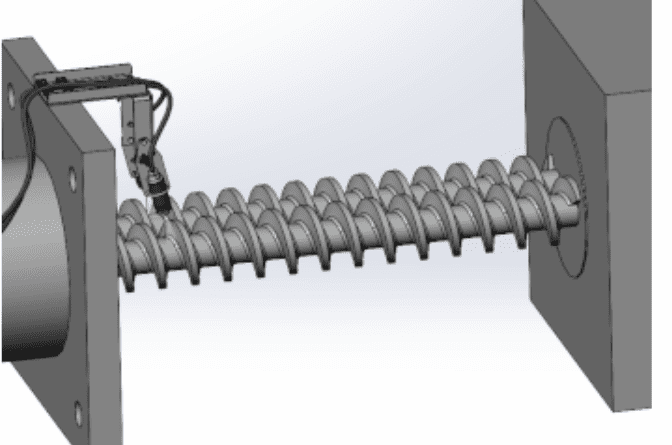
Extrusion is an important manufacturing process used in plastic, rubber, and polymer production. The extruder screw plays a central role in this process by conveying, melting, mixing, and pushing material through the extrusion system. During continuous operation, residual polymers, additives, pigments, and degraded materials can accumulate along the screw flights and inside the barrel. If these deposits are not removed regularly, they may interfere with material flow, reduce processing consistency, and contribute to unexpected equipment stoppages. Proper Extruder Screw Cleaning helps remove unwanted buildup, maintain stable processing conditions, and support efficient production.
Why Is Extruder Screw Cleaning Important?
An extruder screw operates under a combination of heat, pressure, friction, and mechanical movement. These conditions can cause small amounts of material to remain on screw surfaces, particularly when changing materials, colors, or production conditions.
Over time, retained material may degrade and form stubborn deposits. These deposits can affect the screw’s ability to convey and mix material consistently. In some cases, contamination from previous production runs can also affect the quality of newly processed products.
Regular cleaning helps maintain the screw’s working surfaces and reduces the risk of problems associated with material buildup. It also provides an opportunity to inspect the screw for wear, corrosion, and other signs of damage.
Common Signs That an Extruder Screw Needs Cleaning
Recognizing the early signs of contamination can help production teams schedule maintenance before performance deteriorates.
1. Material Discoloration
Dark streaks, black specks, or unexpected color variations in finished products may indicate that degraded material is being released from the screw or barrel. However, raw material contamination and temperature control problems should also be investigated.
2. Inconsistent Material Flow
Deposits on screw flights can interfere with material conveying and mixing. Operators may notice fluctuations in output, inconsistent product dimensions, or changes in processing stability.
3. Increased Processing Pressure
Material restrictions or buildup can contribute to abnormal pressure readings. Changes in pressure should be investigated alongside other process conditions to determine whether screw contamination is involved.
4. Poor Mixing Performance
The screw is responsible for distributing heat and mixing material as it moves through the barrel. Deposits may interfere with these functions and contribute to uneven material properties or inconsistent product appearance.
5. Longer Material Changeover Times
When residual material remains inside the screw and barrel, removing the previous material during a changeover can take longer. Cleaning helps reduce the possibility of cross-contamination between production runs.
Best Practices for Effective Extruder Screw Cleaning
A structured cleaning procedure helps remove material deposits while protecting the screw’s precision surfaces.
1. Establish a Regular Cleaning Schedule
Cleaning frequency should reflect the materials being processed, production volume, operating temperature, and equipment requirements. Some polymers and additives are more likely to leave stubborn residues than others.
Manufacturers should use production records and inspection results to establish suitable cleaning intervals. Planned maintenance is generally preferable to waiting until contamination begins affecting product quality.
2. Select the Appropriate Cleaning Method
Different cleaning techniques are suitable for different types of polymer deposits and screw designs. The method should remove contamination without damaging the screw material, surface treatment, or geometry.
Common approaches include:
- Purge compound cleaning: Specialized compounds are processed through the extruder to help displace residual material from the screw and barrel.
- Manual cleaning: Accessible deposits are removed using approved non-damaging tools after the screw has been safely removed.
- Chemical cleaning: Compatible cleaning agents may be used for certain residues, provided they are approved for the equipment and material.
- Controlled thermal cleaning: Specialized equipment may use controlled heating to remove organic polymer deposits where the screw material and treatment can tolerate the process.
The appropriate method depends on contamination severity, polymer type, equipment design, and manufacturer recommendations.
3. Follow Safe Shutdown and Removal Procedures
Before removing the screw, operators should shut down and isolate the extruder according to the manufacturer’s instructions. Lockout/tagout procedures should be followed to prevent unexpected machine movement or energization.
The screw should be handled with suitable lifting equipment because it can be long, heavy, and difficult to maneuver. Proper support helps prevent bending, impact damage, and injury.
4. Remove Deposits Without Scratching the Screw
The screw surface and flight geometry influence material conveying and processing performance. Abrasive tools, uncontrolled grinding, and excessive scraping can damage these surfaces.
Use cleaning tools and methods approved for the screw material and its surface finish. Particular attention should be given to flight roots, channels, and areas where degraded polymer may accumulate.
5. Clean the Screw Flights and Channels Thoroughly
Material buildup can remain in less accessible areas, including the spaces between flights and the root of the screw. These deposits may become a source of contamination when production resumes.
A careful inspection should be performed after cleaning to confirm that residues have been removed from accessible surfaces. Suitable inspection methods may be necessary for complex screw geometries.
6. Inspect for Wear and Damage
Cleaning provides an opportunity to assess the screw’s physical condition. Maintenance personnel should check for worn flights, scratches, corrosion, cracks, and other abnormalities.
If the screw has experienced significant wear, cleaning alone may not restore its original processing performance. Repair, refurbishment, or replacement may be necessary.
7. Dry and Reinstall Correctly
If water or cleaning chemicals are used, the screw should be dried thoroughly according to the approved procedure. Remaining moisture or chemical residues can contaminate the next production run.
During installation, ensure correct alignment and follow the specified assembly and fastening procedures. Incorrect installation can cause mechanical problems and unnecessary wear.
Choosing the Right Extruder Screw Cleaning Method
Several factors should be evaluated before selecting a cleaning approach.
Type of Polymer
Different polymers behave differently under heat and during cleaning. Some materials soften and can be displaced with purging compounds, while others may degrade and form difficult deposits.
The cleaning method should be compatible with the processed polymer and any additives used in production.
Level of Contamination
Light residue may be manageable through routine purging, while heavily carbonized deposits may require specialized cleaning equipment or screw removal.
Assessing contamination severity helps determine the most practical and effective procedure.
Screw Material and Surface Treatment
Extruder screws may have hardened surfaces, protective coatings, or specialized finishes. Cleaning agents and tools must not damage these features.
Manufacturer guidance should be followed when choosing mechanical, chemical, or thermal methods.
Screw Design and Geometry
Single-screw and twin-screw extruders have different configurations. The number of flights, mixing elements, and internal features can influence cleaning access and method selection.
Complex screw designs may require specialized equipment to remove deposits from less accessible areas.
Production Schedule
Cleaning requirements should be coordinated with production planning. Facilities that frequently change materials or colors may benefit from more frequent purging and planned deep-cleaning intervals.
How Proper Screw Cleaning Reduces Downtime
A clean extruder screw helps maintain more predictable processing conditions and can reduce interruptions associated with contamination.
Faster Material Changeovers
Removing residual material helps reduce the time required to transition between different polymers, colors, or formulations. Appropriate purging and cleaning procedures can make changeovers more consistent.
Fewer Quality-Related Interruptions
Contamination can lead to discolored products, surface imperfections, and inconsistent material properties. Keeping the screw clean helps reduce these risks and limits the need for repeated production adjustments.
More Stable Processing Conditions
Deposits can interfere with material conveying and mixing. Removing buildup helps the screw perform its intended functions under the designed operating conditions.
Reduced Unplanned Maintenance
Routine cleaning and inspection can identify developing problems before they lead to major equipment interruptions. This allows maintenance teams to address wear and contamination during planned shutdowns.
Better Use of Production Resources
Reducing cleaning-related delays, material waste, and unexpected stoppages helps manufacturers use labor, equipment, and raw materials more efficiently.
Safety Precautions During Extruder Screw Cleaning
Extruder screw cleaning can involve hot components, heavy machinery, moving equipment, and chemical agents. Appropriate safety measures are essential.
- Isolate the extruder: Shut down the equipment and follow lockout/tagout procedures before maintenance.
- Control residual heat: Allow components to cool to a safe handling temperature unless an approved specialized cleaning process requires otherwise.
- Use suitable protective equipment: Wear appropriate gloves, eye protection, protective clothing, and respiratory protection where required.
- Follow chemical instructions: Review safety data sheets and use approved cleaning agents according to their handling requirements.
- Use proper lifting equipment: Support and move the screw with equipment designed for its weight and dimensions.
- Maintain ventilation: Provide suitable ventilation when cleaning compounds, solvents, or heated polymer residues may release fumes.
- Train maintenance personnel: Ensure workers understand the cleaning procedure, equipment hazards, and emergency measures.
Thermal cleaning and chemical treatment should only be performed using equipment and procedures specifically designed for those processes.
Common Mistakes to Avoid
Improper cleaning can create new problems even when the intention is to improve equipment performance.
Using abrasive tools or excessive force may damage screw flights and surface treatments. Selecting an incompatible chemical cleaner can cause corrosion or leave residues that contaminate future production. Uncontrolled heating may affect the screw’s material properties or dimensional stability.
Manufacturers should also avoid reinstalling components before they are completely dry and inspected. Skipping inspection can allow existing wear or damage to remain undetected.
Following documented procedures and equipment manufacturer recommendations helps reduce these risks.
Conclusion
Extruder screw cleaning is an important maintenance practice for preserving processing consistency, product quality, and manufacturing efficiency. Polymer residues and degraded material can accumulate during production, affecting material flow, mixing, and changeover performance.
By establishing appropriate cleaning schedules, selecting compatible cleaning methods, protecting precision surfaces, and inspecting components regularly, manufacturers can reduce contamination-related downtime and support reliable extrusion operations. A well-managed cleaning program also helps improve maintenance planning, limit material waste, and extend the useful service life of extrusion equipment.

