
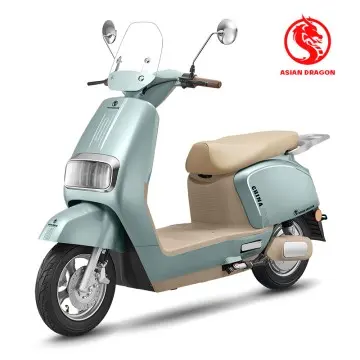
Moped Bikes Explained: Performance, Fuel Efficiency, and Essential Features to Consider
Choosing a practical vehicle for everyday transportation involves balancing affordability, convenience, performance, and operating costs. In busy urban areas, compact two-wheelers remain a popular option because they are generally easier to maneuver and park than larger vehicles. Moped bikes offer an accessible transportation solution for commuters who need a relatively simple vehicle for short journeys, local errands, and regular travel.
A Moped Bike is a lightweight two-wheeled vehicle designed for convenient personal transportation. Depending on its design and classification, it may use a small gasoline engine or an electric motor. Its compact construction, straightforward controls, and practical operating characteristics make it appealing to riders who want an alternative to larger motorcycles and cars.
Understanding What Makes a Moped Bike Different
Mopeds are traditionally associated with smaller engines, lower speeds, and simplified riding controls. Many modern models feature automatic transmissions, step-through frames, and comfortable seating, making them suitable for everyday use.
However, the term can describe different vehicle types depending on the manufacturer and local regulations. Some products marketed as mopeds may have specifications closer to those of scooters or lightweight motorcycles.
Before purchasing, buyers should check the engine capacity, motor output, maximum speed, and legal vehicle classification. These details determine where the vehicle can be operated and what licensing or registration requirements apply.
Understanding Moped Bike Performance
Performance is an important consideration because it determines how well a vehicle handles different road conditions and transportation needs.
Engine or Motor Power
Gasoline-powered mopeds use compact engines designed for relatively economical operation. Their power output influences acceleration, climbing ability, and the vehicle’s capacity to carry a rider and additional weight.
Electric models use battery-powered motors instead. Their performance depends on motor rating, battery capacity, controller settings, and overall vehicle weight.
Acceleration and Speed
Mopeds are generally intended for moderate-speed transportation rather than high-performance riding. Their acceleration characteristics vary by model, engine configuration, transmission, and load.
Commuters should choose a vehicle that can comfortably handle their regular routes while remaining within local speed regulations.
Handling and Maneuverability
A lightweight frame and compact wheelbase can make a moped easier to handle in crowded urban environments. These characteristics are useful when navigating residential streets, intersections, and limited parking spaces.
Tire quality, suspension design, and steering geometry also influence stability and comfort. A test ride can help buyers evaluate how a particular model responds to different road surfaces.
Fuel Efficiency and Operating Costs
One of the main reasons people consider mopeds is their potential to reduce daily transportation expenses.
Fuel Economy in Gasoline Models
Small-engine mopeds generally consume less fuel than larger motorcycles and many cars. Actual fuel economy depends on engine condition, riding speed, traffic, maintenance, terrain, and rider weight.
Buyers should compare manufacturer specifications with independent information where available rather than relying entirely on advertised figures.
Energy Consumption in Electric Models
Electric mopeds use rechargeable batteries instead of gasoline. Their operating costs depend on electricity prices, battery efficiency, charging habits, and the distance traveled.
They also produce no direct exhaust emissions during operation, although battery manufacturing and electricity generation contribute to their overall environmental footprint.
Long-Term Ownership Expenses
Fuel or electricity is only one part of the total cost of ownership. Other expenses may include:
- Routine servicing and inspections
- Tires, brakes, and replacement components
- Battery maintenance or eventual replacement
- Insurance and registration
- Protective equipment and security accessories
Evaluating these costs before purchasing can help buyers choose a vehicle that fits their long-term budget.
Essential Features to Consider Before Buying
Different moped models offer different levels of comfort, convenience, and safety. Comparing the following features can make the selection process easier.
1. Engine Capacity or Motor Rating
The power system should match the intended use. A commuter traveling on relatively flat roads may have different requirements from someone who regularly rides through hilly areas.
Check the manufacturer’s technical specifications and confirm that the vehicle meets local legal requirements.
2. Transmission and Controls
Many traditional mopeds and modern scooters use automatic transmissions, reducing the need for manual gear changes. This can make riding simpler in stop-and-go traffic.
Examine the throttle, switches, instrument panel, and control layout to ensure they are easy to understand and operate.
3. Braking Performance
Reliable brakes are essential for controlling speed and responding to unexpected traffic situations. Depending on the model, braking systems may include disc brakes, drum brakes, or combined braking technology.
Buyers should check brake quality, maintenance requirements, and suitability for the vehicle’s weight and performance.
4. Suspension and Riding Comfort
Suspension systems help absorb bumps and uneven road surfaces. Seat cushioning, handlebar position, foot placement, and frame design also influence the riding experience.
A comfortable vehicle is particularly important for people who use their moped regularly.
5. Storage Capacity
Some mopeds include under-seat compartments, front storage areas, or luggage attachments. These features can be useful for carrying small shopping bags, personal belongings, and commuting essentials.
Consider the available storage space and the manufacturer’s recommended load limit.
6. Lighting and Visibility
Headlights, rear lights, brake lights, turn signals, mirrors, and reflectors support safer riding. Buyers should confirm that these components are clearly visible and meet local road regulations.
Moped Bikes for Everyday Urban Commuting
Compact mopeds can be useful for traveling between home, work, educational institutions, and nearby commercial areas. Their smaller dimensions can make parking easier, while relatively straightforward controls support convenient daily operation.
They may also be practical for people who regularly make short trips that would otherwise require a car or public transportation.
However, riders should consider traffic conditions, road quality, weather, and available parking before choosing a moped as their primary transportation method. A vehicle that works well for a short neighborhood journey may not be suitable for every longer-distance commute.
Moped Bikes Compared with Larger Motorcycles
Understanding the differences between mopeds and larger motorcycles can help buyers identify the right type of vehicle.
| Feature | Moped | Larger motorcycle |
|---|---|---|
| Engine or motor output | Generally lower | Usually higher |
| Typical use | Short-distance and local travel | Commuting and longer journeys |
| Vehicle weight | Often lighter | Often heavier |
| Maneuverability | Generally convenient in urban areas | Depends on size and design |
| Fuel or energy consumption | Often relatively low | Varies by engine or motor |
| Performance | Usually designed for moderate speeds | Available across a wider performance range |
These are general comparisons. Actual specifications differ between models, and legal classifications vary by location.
Maintenance Tips for Better Performance
Regular maintenance helps preserve reliability, fuel efficiency, and safety. The required service schedule depends on whether the moped uses a combustion engine or an electric power system.
For gasoline-powered models:
- Check engine oil according to the manufacturer’s schedule.
- Inspect the air filter and fuel system when required.
- Maintain proper tire pressure.
- Examine brakes, cables, and suspension components.
- Arrange regular engine servicing.
For electric models:
- Use the recommended battery charger.
- Follow the manufacturer’s charging and storage instructions.
- Inspect electrical connections for damage.
- Monitor battery performance and charging behavior.
- Keep the motor and controller protected from unsuitable exposure to moisture.
For both types, lights, mirrors, tires, brakes, and frame components should be inspected regularly.
Safety and Legal Considerations
Before riding a moped, buyers should understand the laws that apply in their area. Depending on the vehicle’s specifications, requirements may include registration, a valid license, insurance, and approved safety equipment.
Wearing a suitable helmet is an important protective measure. Riders should also maintain a safe following distance, use indicators, avoid sudden maneuvers, and remain visible to other road users.
A properly fitted helmet, appropriate clothing, and responsible riding habits can help reduce the risk of injury.
Conclusion
Moped bikes offer a practical transportation solution for people who value compact design, manageable performance, and potentially economical operation. Their availability in gasoline-powered and electric configurations gives buyers flexibility when choosing a vehicle for everyday commuting.
Before making a purchase, compare power specifications, fuel efficiency or battery range, braking systems, comfort, storage, and maintenance requirements. Selecting a model that matches local regulations and personal travel needs can provide a convenient and dependable riding experience.