
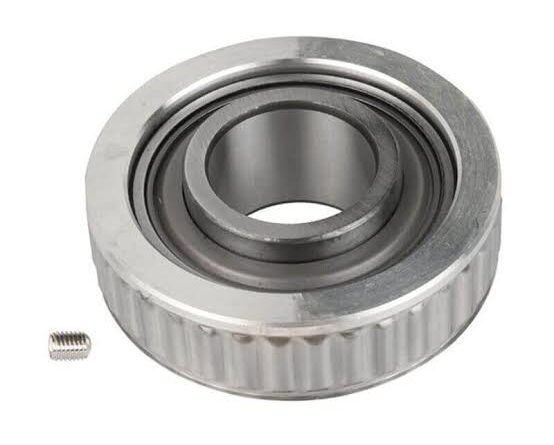
Understanding the Marine Bearing Manufacturing Process from Design to Production
Marine bearings are important components in ship propulsion systems, steering assemblies, pumps, generators, and other onboard machinery. They support rotating shafts, reduce friction, and help equipment operate reliably under demanding marine conditions. Producing these components requires careful planning, suitable materials, precision engineering, and consistent quality control.
A professional Marine Bearings Manufacturer must consider factors such as mechanical loads, rotational speed, lubrication requirements, corrosion resistance, and operating temperatures throughout production. Understanding the manufacturing process from initial design to final inspection helps buyers evaluate product quality and make informed sourcing decisions.
1. Understanding Application Requirements
The manufacturing process begins with identifying the specific requirements of the intended marine application. Different vessel systems place different demands on bearings, so manufacturers must understand the operating conditions before developing a suitable design.
Important considerations include:
- Type of machinery and bearing application.
- Shaft diameter and housing dimensions.
- Radial and axial load requirements.
- Rotational speed and operating temperature.
- Lubrication method.
- Exposure to seawater, moisture, and contaminants.
- Expected service life and maintenance conditions.
For example, a propeller shaft bearing may have different requirements from a bearing used in a marine pump or electric motor. Accurate application information helps prevent design errors and improves equipment compatibility.
2. Bearing Design and Engineering
After gathering the technical requirements, engineers develop a bearing design that meets the intended performance specifications.
This stage involves selecting the bearing type, calculating dimensions, determining clearances, and evaluating the loads that the component must support. Depending on the application, the design may involve plain bearings, water-lubricated bearings, oil-lubricated bearings, ball bearings, roller bearings, or thrust bearings.
Computer-aided design (CAD) software can help engineers create detailed models and review dimensional relationships before production begins.
Design considerations commonly include:
- Load distribution and contact pressure.
- Shaft alignment and bearing clearance.
- Friction and wear characteristics.
- Lubrication arrangements.
- Material compatibility.
- Installation and maintenance requirements.
Careful engineering helps ensure that the bearing can operate effectively within the specified machinery.
3. Selecting Suitable Raw Materials
Material selection has a major influence on marine bearing performance. Since vessels operate in environments involving saltwater, humidity, vibration, and changing temperatures, manufacturers must choose materials suited to these conditions.
Common material options include:
Bronze alloys: These materials are used in various marine bearing applications because of their mechanical strength and corrosion resistance.
Stainless steel: Certain grades provide useful corrosion resistance and strength for suitable marine environments.
Rubber: Rubber materials are commonly used in water-lubricated bearing designs because of their friction and wear characteristics.
Engineered polymers: These materials can offer low-friction properties, corrosion resistance, and compatibility with specific lubrication conditions.
Composite materials: Specialized composites combine different material properties to meet particular load, wear, and environmental requirements.
The selected material must be compatible with the shaft, housing, lubricant, and expected operating conditions.
4. Raw Material Inspection and Preparation
Before machining or forming begins, incoming materials should be checked to confirm that they meet the required specifications.
Inspection may involve reviewing material certificates, verifying dimensions, checking surface conditions, and confirming material composition where appropriate.
Proper preparation is equally important. Depending on the manufacturing method, raw materials may need cutting, shaping, cleaning, or other preliminary operations before further processing.
These steps help reduce the risk of defects entering later production stages.
5. Precision Machining and Manufacturing
Once materials are approved and prepared, the bearing moves into the main production stage. The manufacturing method depends on the bearing design and selected material.
Processes may include turning, milling, grinding, molding, cutting, and other specialized operations.
Precision machining is particularly important because bearing dimensions and surface characteristics influence fit, alignment, friction, and load distribution.
Modern manufacturing equipment, including CNC machines, can help produce components with consistent dimensions and repeatable accuracy. However, correct machine settings, suitable tooling, and skilled operators remain essential.
6. Surface Finishing and Treatment
Surface quality affects how a bearing interacts with its shaft and other components. Rough or uneven surfaces may increase friction, create localized wear, or interfere with proper lubrication.
Depending on the material and design, finishing operations may include grinding, polishing, honing, or other surface treatments.
Some metal components may also receive protective treatments intended to improve corrosion resistance or surface durability.
The finishing process should follow the engineering specifications because excessive material removal or unsuitable treatment can affect bearing dimensions and performance.
7. Quality Control and Dimensional Inspection
Quality control is an essential part of marine bearing production. Manufacturers need to verify that finished components meet the required technical specifications before they are approved for delivery.
Common inspection activities include:
- Measuring internal and external diameters.
- Checking bearing length and overall dimensions.
- Verifying tolerances and clearances.
- Inspecting surface finish.
- Checking material specifications.
- Examining components for visible defects.
- Conducting applicable performance or quality tests.
The exact inspection methods depend on the bearing type and relevant product requirements. Manufacturers may also prepare inspection reports and material documentation for customers.
8. Assembly and Performance Verification
Some marine bearing designs consist of multiple components that must be assembled before final inspection. During assembly, manufacturers should verify that parts fit correctly and meet the required dimensional relationships.
Where applicable, performance verification may assess characteristics such as rotational behavior, friction, clearances, load-related properties, or lubrication compatibility.
Not every bearing undergoes the same testing procedure. The verification process should reflect its design and intended application.
9. Packaging and Delivery
After final inspection and approval, bearings are prepared for storage and transportation. Proper packaging helps protect machined surfaces from moisture, contamination, scratches, and accidental impact.
Packaging requirements depend on the product material, dimensions, transportation distance, and storage conditions.
Manufacturers should also provide relevant product information, such as identification details, specifications, installation guidance, and inspection documentation where applicable.
Reliable delivery planning helps marine equipment manufacturers, shipyards, and maintenance teams coordinate their projects.
10. The Importance of Continuous Improvement
Marine equipment requirements continue to evolve as vessel designs, materials, and manufacturing technologies develop. Manufacturers can improve production quality through process monitoring, updated machinery, employee training, and regular evaluation of customer feedback.
Continuous improvement can help reduce production variations, improve dimensional consistency, and support more efficient manufacturing operations.
When researching marine bearing products and manufacturing capabilities, buyers can also explore technical information from Techemer and compare available solutions with their specific equipment requirements.
Conclusion
The marine bearing manufacturing process involves several connected stages, beginning with application analysis and engineering design and continuing through material selection, machining, surface finishing, inspection, and delivery.
Each stage contributes to the finished component’s dimensional accuracy, durability, and suitability for marine machinery. By understanding how bearings are manufactured, buyers can better assess production quality and identify manufacturers capable of meeting their technical requirements. Careful design, controlled production, and thorough inspection are essential for producing dependable marine bearings that support reliable vessel operations.