
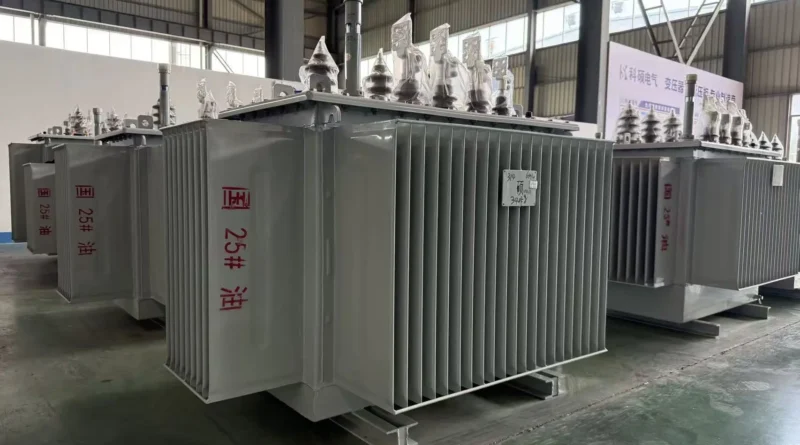
How Mobile Transformer Solutions Provide Flexible and Reliable Power During Emergencies and Maintenance Work
Reliable electricity is essential for power utilities, industrial facilities, commercial operations, and critical infrastructure. However, unexpected equipment failures, scheduled maintenance, natural disasters, and infrastructure upgrades can interrupt normal power distribution. In situations where permanent transformer installations are unavailable or temporarily out of service, flexible electrical equipment can help maintain continuity.
Mobile Transformer Solutions provide a practical approach to temporary and emergency power distribution. These systems typically combine transformer equipment with transportable platforms, electrical connections, protection devices, and supporting components. Their mobility allows utilities and industrial operators to deploy temporary transformer capacity where it is needed, helping reduce service interruptions and support essential operations.
What Are Mobile Transformer Solutions?
Mobile transformer solutions are transportable transformer systems designed to provide temporary or relocatable power transformation. Unlike conventional stationary transformers, which are installed permanently at substations or distribution facilities, mobile units can be moved between locations according to operational requirements.
Depending on the application, a mobile transformer may be mounted on a trailer, specialized vehicle, or transportable platform. The complete system can include the transformer, switching equipment, protection devices, monitoring instruments, cable connections, and auxiliary components.
These systems are designed for different voltage levels and power capacities. Their configuration depends on the electrical network, installation environment, load requirements, and transportation limitations.
Mobile transformer equipment is particularly useful when permanent infrastructure needs maintenance, replacement, or temporary expansion.
Why Mobile Transformers Are Important for Modern Power Networks
Electricity networks must remain dependable even when equipment requires servicing or unexpected problems occur. Traditional transformer replacement and substation construction can take considerable time, especially when specialized equipment must be manufactured and transported.
Mobile transformer systems offer additional flexibility by providing temporary transformation capacity.
They can help utilities:
- Maintain electricity supply during planned transformer maintenance.
- Restore power after certain equipment failures.
- Support temporary substations during infrastructure upgrades.
- Provide additional capacity during periods of increased demand.
- Supply temporary power to remote or difficult-to-access locations.
- Support recovery operations following severe weather events.
Their value comes from the ability to move suitable electrical equipment between locations rather than relying entirely on permanent installations.
How Mobile Transformer Systems Work
A mobile transformer performs the same fundamental voltage transformation function as a conventional transformer. Its primary winding receives electricity at one voltage level, while the secondary winding delivers electricity at another level according to the transformer’s design.
However, its installation and connection arrangements are adapted for temporary deployment.
The process generally involves several stages.
Site Assessment
Before deployment, engineers evaluate the electrical network, available connection points, expected load, grounding arrangements, and site conditions.
They also determine whether the mobile unit is compatible with the existing protection and control systems.
Transportation and Positioning
The transformer is transported to the required location using suitable vehicles or trailers. The installation area must provide adequate structural support, access, clearances, and protection from environmental hazards.
Electrical Connection
Qualified personnel connect the mobile system to the network using approved cables, terminations, and switching equipment.
Voltage ratings, phase configuration, grounding, and protection coordination must be verified before energization.
Testing and Commissioning
Before the unit enters service, engineers perform the required inspections and electrical tests. These checks help confirm that the system is ready to operate under the intended conditions.
Monitoring and Operation
Once commissioned, the transformer is monitored for loading, temperature, and other relevant operating parameters. This helps identify abnormal conditions and maintain safe performance throughout deployment.
Key Features of Mobile Transformer Solutions
Mobile transformer systems combine electrical performance with practical transportation and installation features.
Transportable Design
Mobility is their defining characteristic. Depending on the equipment rating and transportation requirements, transformers may be mounted on road trailers or other specialized transport platforms.
The design must account for weight distribution, dimensions, structural support, and safe movement.
Flexible Voltage Configurations
Mobile transformers can be designed for different primary and secondary voltage requirements. This flexibility allows utilities to select equipment suitable for particular transmission or distribution applications.
The required configuration must match the network’s technical specifications.
Integrated Protection Systems
Protection equipment helps identify and isolate electrical faults. Depending on the design, mobile installations may include circuit breakers, disconnect switches, protective relays, surge arresters, and monitoring devices.
These components must be coordinated with the connected electrical network.
Monitoring and Control Equipment
Mobile transformer systems may incorporate instruments for observing electrical and operating conditions.
Depending on the configuration, monitoring capabilities can include voltage, current, temperature, and other relevant measurements. These features support operational oversight during temporary service.
Adaptable Installation Arrangements
Some mobile transformer systems are designed to operate as temporary substation units. They may include additional switching and connection equipment to support integration with existing electrical infrastructure.
The exact arrangement depends on project requirements and available space.
Applications During Emergency Power Restoration
Unexpected equipment failures and severe weather events can create urgent challenges for electricity providers. Mobile transformers can help restore power in situations where permanent equipment is damaged or unavailable.
Transformer Failure at a Substation
When a major transformer fails, replacing it may require significant time and logistical planning. A compatible mobile transformer can provide temporary capacity while the damaged unit is repaired or replaced.
This can help reduce the duration of service interruptions, provided the network can accommodate the temporary installation.
Natural Disasters
Flooding, storms, and other severe weather events can damage electrical infrastructure. Mobile transformer equipment may support restoration work by providing temporary transformation capacity at suitable locations.
Deployment depends on road accessibility, site safety, environmental conditions, and the availability of compatible electrical connections.
Unexpected Demand Changes
Certain emergency situations may increase electricity demand in specific areas. A mobile unit can help address temporary capacity requirements when supported by appropriate network planning.
Remote Infrastructure Recovery
Mobile transformers can be useful in locations where permanent equipment has been damaged and replacement infrastructure is not immediately available.
Their transportable design provides an additional option for restoration teams working across geographically dispersed sites.
Supporting Planned Maintenance and Equipment Replacement
Maintenance is necessary to keep transformers and substations operating safely. However, removing critical equipment from service can interrupt power supply if alternative arrangements are unavailable.
Mobile transformer systems can provide temporary support during these activities.
Scheduled Transformer Maintenance
Utilities may need to isolate transformers for inspection, testing, oil treatment, or other maintenance procedures. A suitable mobile unit can help maintain electricity supply while the permanent equipment is unavailable.
Transformer Replacement Projects
Replacing an aging or damaged transformer can involve site preparation, equipment delivery, installation, and commissioning. Temporary mobile capacity may support operations during parts of this process.
Substation Modernization
Electrical facilities often require upgrades to switching equipment, protection systems, and other infrastructure. Mobile transformer installations can provide temporary power transformation while certain sections of a substation undergo modification.
Load Management During Maintenance
In some networks, existing transformers can temporarily carry additional load while another unit is serviced. When this is not feasible, a mobile transformer may provide an alternative, subject to engineering assessment.
Benefits for Utilities and Industrial Facilities
Mobile transformer systems offer several operational advantages when compared with relying exclusively on permanent installations.
Reduced Service Interruptions
Temporary transformer capacity can help maintain electricity supply while permanent equipment is repaired, replaced, or upgraded.
Greater Operational Flexibility
Utilities can relocate suitable mobile equipment to different sites as operational priorities change.
Support for Infrastructure Expansion
Temporary transformer installations can help meet additional power requirements during construction, network upgrades, or periods of increased demand.
Improved Emergency Preparedness
Having access to compatible mobile transformer equipment can strengthen contingency planning for critical substations and distribution networks.
Potential Cost Savings
Avoiding prolonged outages can reduce certain financial losses for utilities and industrial customers. However, the overall economics depend on equipment availability, transportation, installation, operating costs, and the consequences of service interruption.
Important Factors When Selecting a Mobile Transformer
Choosing the right mobile transformer requires more than comparing equipment ratings. The system must be compatible with the electrical network and suitable for its intended operating environment.
Power Capacity
The transformer must have sufficient rated capacity to support the expected load. Engineers should consider peak demand, load characteristics, and potential temporary overload conditions.
Voltage Ratings
Primary and secondary voltage levels must match the network connection requirements. Incorrect voltage selection can prevent safe integration with existing equipment.
Frequency and Phase Configuration
The mobile unit must be compatible with the network’s operating frequency and phase arrangement.
Impedance and Protection Coordination
Transformer impedance affects short-circuit current and voltage regulation. Protection settings must be reviewed to ensure the mobile system operates correctly with existing network protection.
Transportation Requirements
Weight, dimensions, axle loading, road restrictions, and access conditions can influence the choice of equipment. A transformer that meets electrical requirements may still be unsuitable if it cannot be transported to the intended location.
Environmental Conditions
Temperature, humidity, altitude, dust, and other environmental factors should be considered when specifying the equipment.
Connection and Commissioning Time
In emergency applications, deployment speed can be important. Standardized connections, clear documentation, and prepared installation procedures may help reduce the time required to place equipment into service.
Safety Considerations During Mobile Transformer Deployment
Mobile transformer installations involve high-voltage electrical equipment and require careful planning. Mobility does not reduce the electrical hazards associated with transformer operation.
Important safety measures include:
- Conducting a site risk assessment before transportation and installation.
- Ensuring the supporting platform is stable and suitable for the equipment weight.
- Maintaining required electrical clearances and access restrictions.
- Following approved grounding and bonding procedures.
- Verifying protection settings and network compatibility.
- Inspecting cables, connectors, and switching equipment before energization.
- Using qualified personnel for installation, testing, and operation.
- Following isolation, lockout, and verification procedures during maintenance.
Emergency deployment should never bypass established electrical safety requirements.
Maintenance and Inspection of Mobile Transformer Equipment
Mobile transformers may be transported and deployed repeatedly, so their maintenance requirements include both electrical condition checks and mechanical inspections.
A suitable maintenance program should cover the following areas.
Transformer condition: Inspect the tank, bushings, insulation system, cooling equipment, and other major components.
Oil testing: For oil-filled units, assess insulating oil quality according to the manufacturer’s recommendations and applicable maintenance standards.
Mechanical structure: Check the trailer, mounting points, supports, and securing arrangements for damage or deterioration.
Electrical connections: Examine cables, terminations, grounding connections, and switching components.
Protection systems: Verify the condition and operation of protective relays, circuit breakers, and other installed devices.
Monitoring equipment: Confirm that sensors, meters, alarms, and communication systems are functioning correctly.
Regular inspections help ensure that mobile equipment remains ready for deployment when required.
Mobile Transformers as Part of Long-Term Grid Resilience
Modern electricity networks face changing demands, aging infrastructure, severe weather risks, and increasing requirements for operational flexibility. Mobile transformer systems can form part of a broader strategy for managing these challenges.
Utilities may incorporate them into emergency response plans, maintenance schedules, and contingency arrangements for critical substations.
However, mobile transformers are not universal replacements for permanent infrastructure. Their use depends on network compatibility, available capacity, transportation logistics, site conditions, and the duration of the required service.
When integrated into a well-planned asset management strategy, they provide an additional resource for maintaining power availability during periods of disruption.
Conclusion
Mobile transformer solutions provide utilities and industrial operators with a flexible way to manage temporary power requirements during emergencies, maintenance work, equipment replacement, and infrastructure upgrades. Their transportable design and adaptable electrical configurations make them valuable for supporting temporary substations and restoring power when permanent equipment is unavailable.
Successful deployment requires careful equipment selection, network compatibility checks, transportation planning, professional installation, and regular maintenance. By incorporating suitable mobile transformer systems into broader contingency and maintenance strategies, organizations can improve operational flexibility and strengthen the reliability of their electricity distribution networks.


