Inflatable Games for Sale: A Guide to Sizes, Materials, Features, and Pricing
Inflatable attractions have become a popular entertainment option for birthday parties, school festivals, corporate gatherings, and community celebrations. Their variety of designs and interactive features makes them suitable for different audiences, venues, and event formats. However, choosing the right equipment requires more than selecting an appealing design. Buyers also need to understand dimensions, construction materials, essential features, and overall costs.
When comparing Inflatable Games for Sale, it helps to evaluate how each product fits your intended use, available space, and budget. Whether you are purchasing equipment for a rental business or planning occasional private events, understanding these factors can help you make a practical, informed decision.
Understanding the Different Types of Inflatable Games
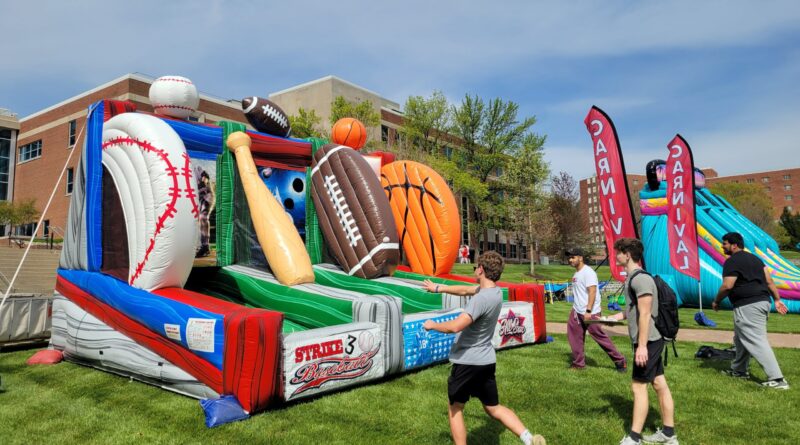
Inflatable games come in numerous styles, each designed to provide a particular type of entertainment. Some encourage active play, while others focus on accuracy, coordination, or friendly competition.
Common options include:
- Inflatable obstacle courses: Feature tunnels, barriers, climbing sections, and other challenges that encourage movement and competition.
- Bouncing attractions: Provide designated spaces for recreational jumping, particularly at children’s parties and family events.
- Inflatable sports games: Include basketball challenges, soccer targets, and other activities based on familiar sports.
- Interactive challenge games: Offer activities involving aiming, throwing, balancing, or completing specific tasks.
- Inflatable duel games: Allow participants to compete in controlled, padded environments under appropriate supervision.
The best choice depends on the audience, the event’s purpose, and the amount of space available. Commercial operators may benefit from selecting several different formats to serve a wider range of customers.
Choosing the Right Size
Size affects transportation, installation, participant capacity, and the types of venues where an inflatable attraction can be used. A product that works well in a large outdoor field may be unsuitable for a small indoor hall.
Small Inflatable Games
Compact attractions are often practical for private parties, smaller gatherings, and venues with limited floor space. They may also be easier to transport and store than larger structures.
Before choosing a small model, check its fully inflated dimensions and required safety clearances. Even compact equipment needs adequate space for entry, exit, supervision, and safe operation.
Medium-Sized Inflatable Games
Medium-sized designs can provide a balance between entertainment value and logistical requirements. Depending on the model, they may suit school events, family festivals, birthday celebrations, and small corporate functions.
These attractions may offer more interactive features than compact alternatives without requiring the extensive installation area associated with larger courses.
Large Inflatable Games
Large obstacle courses and multi-section attractions can become central features at public festivals, sports days, and major community events. Their size may accommodate more elaborate activities and create a noticeable entertainment zone.
However, larger equipment generally requires more transportation capacity, installation space, storage, and operational planning. Buyers should confirm the complete footprint, packed dimensions, weight, and staffing requirements before making a decision.
How to Measure Your Available Space
Measure the installation area before ordering equipment. Account for the inflatable’s full dimensions, the manufacturer’s specified clearance around it, anchoring arrangements, and access routes.
For indoor venues, check ceiling height, door dimensions, ventilation, and emergency exits. Outdoor installations require suitable ground conditions and sufficient room for anchoring and participant movement.
Always use the manufacturer’s measurements and installation instructions rather than relying solely on the dimensions shown in promotional photographs.
Comparing Materials and Construction Quality
Material quality influences an inflatable attraction’s durability, maintenance needs, and suitability for repeated use. Buyers should review the complete product specifications instead of judging quality by appearance alone.
PVC-Coated Fabrics
Reinforced PVC-coated fabrics are commonly used in commercial inflatable equipment. Depending on their specifications, they can offer useful resistance to abrasion, moisture, and repeated handling.
However, the quality of the finished product also depends on fabric composition, coating, thickness, reinforcement, and manufacturing methods. A thicker material is not automatically better for every application.
Other Fabric Options
Some inflatable products use other coated or reinforced fabrics suited to particular designs and intended uses. Material selection should reflect the product’s construction, expected workload, and operating environment.
Ask the manufacturer to explain the material’s intended application, care requirements, and limitations before purchasing.
Seams and Reinforcement
Seams, attachment points, corners, and high-stress areas deserve particular attention. Repeated inflation, deflation, transportation, and participant movement can place pressure on these sections.
Ask about seam construction, reinforcement methods, quality inspections, and repair procedures. Clear product documentation can help you compare options more reliably.
Important Features to Look For
Two inflatable attractions with similar dimensions may differ significantly in functionality and operating requirements. Evaluating their features helps ensure that the selected product meets your needs.
Safety Features
Check for suitable barriers, entry and exit arrangements, anchoring points, and clear operating instructions. The exact requirements depend on the type of attraction and the people who will use it.
Confirm participant capacity, age restrictions, height or weight limits where applicable, and the manufacturer’s weather operating limits. Ask for relevant safety documentation and test reports for the specific model.
Blower Compatibility
Many inflatable attractions rely on continuous airflow to maintain their structure. Buyers should confirm the required blower specifications, airflow capacity, electrical requirements, and compatibility with the equipment.
Also check whether the blower and necessary accessories are included in the quoted price. Replacing or upgrading essential components can increase the overall purchase cost.
Ease of Setup
Setup requirements influence how quickly equipment can be prepared for an event. Compact designs may be simpler to handle, while larger attractions can require more staff and a more detailed installation process.
Ask the supplier for setup instructions, packed weight, handling recommendations, and information about the tools or accessories needed for installation.
Cleaning and Maintenance
Equipment used at multiple events needs a consistent cleaning and inspection routine. Check whether the materials can be cleaned using readily available products and whether replacement components are accessible.
Clear maintenance instructions can help reduce avoidable damage and support a longer service life.
Understanding Inflatable Game Pricing
The price of an inflatable attraction varies according to its size, design, materials, construction, included equipment, and intended application. Customization and shipping can also affect the final amount.
Rather than relying on a single advertised price, buyers should compare quotations for products with similar specifications.
Factors That Influence the Cost
Size and complexity: Larger structures and multi-section designs generally require more material and manufacturing work.
Material specifications: Fabric quality, reinforcement, and construction standards can influence the cost.
Design and features: Integrated sports games, climbing sections, obstacle elements, and customized layouts may increase the price.
Blowers and accessories: Essential operating equipment, anchoring systems, protective flooring, and other components may be included or charged separately.
Customization: Printed graphics, branded colors, and special dimensions can affect production costs and delivery times.
Shipping and import expenses: Freight, customs duties, taxes, and local delivery fees may significantly affect the final purchase cost.
How to Compare Quotations
Request an itemized quotation that identifies the product dimensions, materials, included accessories, shipping arrangements, warranty terms, and estimated delivery date.
Check whether the quotation includes the blower, repair kit, anchoring equipment, and any other components required for operation. A lower headline price may not represent the best value if essential items are excluded.
For commercial buyers, also consider maintenance costs, storage requirements, repair support, and expected rental demand when assessing the investment.
Buying for Personal Use or Commercial Rental
Your purchasing priorities may differ depending on whether the equipment is intended for occasional private events or regular commercial use.
For Personal and Family Events
Private buyers may prioritize an appropriate size, straightforward setup, suitable age restrictions, and manageable storage requirements. The attraction should fit the available venue and the intended participants.
Consider whether renting equipment for occasional celebrations would be more economical than purchasing and maintaining it.
For Rental and Event Businesses
Commercial operators should pay closer attention to construction quality, repeated-use suitability, maintenance support, and transportation requirements. Equipment needs to withstand regular handling while remaining appropriate for its intended operating conditions.
A varied inventory can also help serve customers with different budgets and event sizes. Before expanding, research local demand and estimate realistic booking frequency rather than assuming that every attraction will generate consistent revenue.
Indoor Versus Outdoor Requirements
The intended environment should influence your choice of inflatable equipment.
Indoor venues require adequate ceiling clearance, sufficient floor space, suitable electrical arrangements, and unobstructed emergency exits. Noise from blowers may also be a consideration in enclosed spaces.
Outdoor installations need suitable ground conditions, appropriate anchoring, and ongoing weather monitoring. Wind, rain, and other environmental factors can affect safe operation, so manufacturers’ limits must be followed.
If you plan to use the same attraction in different environments, confirm that its design and operating instructions permit those uses.
Questions to Ask Before Ordering
Before confirming a purchase, contact the supplier to clarify any missing information. Useful questions include:
- What are the fully inflated dimensions and packed weight?
- Which materials and reinforcement methods are used?
- What blower and electrical specifications are required?
- What are the participant limits and operating restrictions?
- Which accessories are included in the price?
- What safety documentation and inspection records are available?
- What warranty coverage and after-sales support are provided?
- How long will manufacturing and delivery take?
- What are the cleaning, storage, and repair requirements?
Obtaining clear answers in writing can reduce misunderstandings and help you compare suppliers on consistent terms.
Conclusion
Choosing the right inflatable attraction involves balancing size, material quality, features, safety, and pricing. Small designs may suit private gatherings, while larger obstacle courses and interactive challenges can serve festivals, schools, and commercial entertainment businesses.
By checking product specifications, reviewing the complete cost, understanding installation requirements, and evaluating supplier support, buyers can make decisions that better match their needs and budgets. Careful research before purchasing helps support reliable operation and enjoyable experiences for the people who use the equipment.