
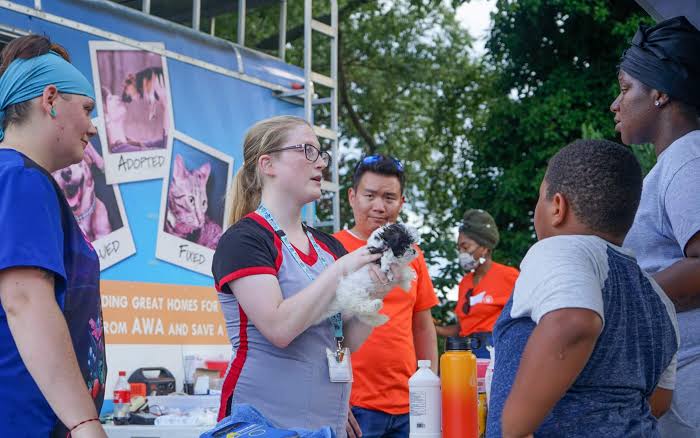
How Animal Hospitals Prepare For Community Outreach Programs
You might be looking at a calendar full of good intentions, a team that already feels stretched, and a community that truly needs support. That mix can feel heavy. Outreach sounds simple from the outside, but once you start thinking about staffing, supplies, safety, education, and follow up, it becomes clear that strong planning matters. The good news is that How Animal Hospitals Prepare For Community Outreach Programs, including an animal hospital in Richmond, TX, usually comes down to a few steady habits. Clear goals, the right training, and a plan for people as much as pets.
Before an outreach event, many animal hospitals are focused on care inside their walls. After a well run program, they often become a trusted part of the wider community, helping pet owners feel less alone and making care easier to reach. That shift does not happen by accident. It grows from thoughtful choices about what services to offer, who to partner with, and how to keep the event safe and useful for everyone involved.
Why does community outreach planning feel harder than it looks?
At first, an outreach program can seem like a simple extension of daily veterinary work. Set up a booth, offer basic services, answer questions, and go home. But the reality is often more layered. A hospital has to think about transportation of equipment, vaccine handling, medical records, crowd flow, language access, consent forms, and what happens if a pet needs care beyond what the event can provide.
Because of this tension, you might wonder what gets missed when planning happens too quickly. One common problem is trying to do too much at once. An animal hospital may want to offer exams, vaccines, microchipping, nutrition advice, and adoption support in a single day. That sounds generous, but if the team is overextended, the quality of each interaction can slip. Pet owners notice that. Staff feel it too.
Another challenge is trust. Some families hesitate to attend outreach events because they worry about cost, judgment, or whether their questions will be taken seriously. That means preparation is not only about medicine. It is also about communication. Signs should be clear. Staff should know how to explain services in plain language. Volunteers should understand how to greet people in a way that feels calm and respectful.
Strong animal hospital outreach planning also depends on training. Teams often review public health protocols, animal handling standards, and emergency procedures before going into the community. Resources like the University of Florida’s extension and outreach programs can help hospitals think through education and engagement. For teams involved in animal health response and field readiness, the USDA APHIS veterinary services training resources can also support preparation.
What does a well prepared animal hospital actually plan before an event?
Most successful programs start with a narrow purpose. Maybe the goal is low cost vaccines. Maybe it is preventive education in neighborhoods with limited access to care. Maybe it is building referral pathways for pets that need follow up treatment. When the goal is clear, planning becomes easier because every decision can be tested against that purpose.
Then comes logistics. Hospitals usually map out staffing roles in advance. Who handles check in? Who manages records? Who monitors pet flow? Who answers owner questions that are not strictly medical? These details matter because outreach events can become crowded fast, and confusion spreads quickly when no one knows who owns which task.
Community veterinary outreach also works better when hospitals prepare for what they cannot solve on site. What if a pet arrives with a condition that needs surgery? What if an owner asks for financial help? What if a frightened dog cannot be safely handled in a public setting? Good preparation includes referral lists, printed instructions, and a clear boundary around what the event can and cannot provide.
Which practical choices make outreach safer and more useful?
Sometimes the most helpful planning is the least dramatic. Extra leashes. Backup forms. Shade and water. A quiet waiting area. Multilingual handouts. These choices can shape the whole experience. They reduce stress for pets, owners, and staff, and they make an event feel organized rather than rushed.
| Planning Area | Minimal Preparation | Strong Preparation |
|---|---|---|
| Event Goal | Broad mission with no service limits | Clear focus such as vaccines, education, or screenings |
| Staff Roles | Shared responsibilities decided on site | Assigned roles for intake, treatment, education, and follow up |
| Supplies | Basic medical items only | Medical supplies plus forms, signage, water, restraint tools, and backups |
| Owner Communication | Verbal instructions only | Simple handouts, translated materials, and referral information |
| Risk Management | No clear response plan | Protocols for bites, medical escalation, and crowd control |
This is where veterinary service planning becomes more than a checklist. It becomes risk control, trust building, and better care. If an owner leaves with a clear next step, even when their pet needs more help than the event can offer, the outreach has still done something meaningful.
So what can you do right now to prepare with less stress?
1. Start with one goal and protect it.
Choose the main purpose of the event before you choose anything else. If the goal is preventive care, do not overload the day with services that require long consults or complex follow up. A focused event is often more effective than a crowded one.
2. Build a simple operations sheet.
Create one page that lists staff roles, supply needs, emergency contacts, referral options, and event flow. When the day gets busy, people need something clear to return to. This reduces mistakes and helps new volunteers step in without adding confusion.
3. Plan the follow up before the event begins.
Decide how records will be kept, how owners will receive instructions, and where pets will be referred if they need more care. Outreach should not end at the folding table. The handoff after the event is often what gives the program lasting value.
What does success look like after the outreach program ends?
Success is not only a crowd size or a number on a report. It may look like a pet owner who finally understands vaccine timing. It may look like a family that feels safe asking for help. It may look like a hospital team that learns how to serve the community without burning itself out.
When animal hospitals prepare with care, outreach becomes more than a public event. It becomes a bridge. Between clinic and neighborhood. Between information and action. Between worry and relief. If you are planning a program now, keep it clear, keep it realistic, and keep people at the center of every decision.
An Animal Hospital that prepares this way can create outreach that feels useful, safe, and welcoming. Take the next step by reviewing your goals, organizing your team, and building a plan that your staff can carry out with confidence.