
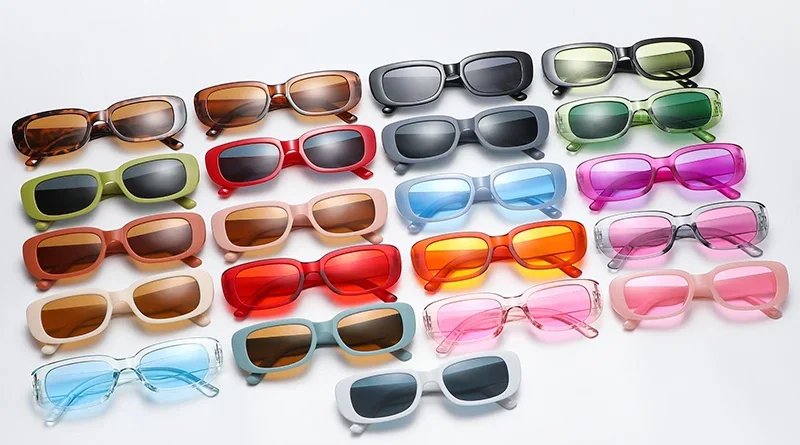
Seasonal Trends in Wholesale Women Sunglasses
Sunglasses are closely connected to fashion, travel, outdoor activities, and seasonal changes, making them an important category for many retail stores. As customer preferences shift throughout the year, retailers need to understand which styles are likely to attract attention and how seasonal trends can influence purchasing decisions.
For retailers reviewing Wholesale Women Sunglasses, seasonal planning can help create a more relevant product assortment. Instead of relying entirely on short-lived fashion trends, retailers can combine current designs with dependable styles to maintain variety while managing inventory effectively.
Why Seasonal Trends Matter
Fashion trends can influence the shapes, colors, materials, and finishes customers look for when shopping for sunglasses. Seasonal changes may also affect demand as consumers prepare for holidays, vacations, outdoor activities, and warmer weather.
Retailers who monitor these changes can adjust their inventory gradually rather than making large purchasing decisions based on assumptions. This can help reduce excess stock and keep displays looking current.
Spring Sunglasses Trends
Spring often brings renewed interest in lighter colors and fresh designs. Customers may begin looking for sunglasses that complement brighter clothing and changing wardrobes.
Pastel shades, transparent frames, softer silhouettes, and lightweight designs can work well for a spring-oriented assortment. Retailers can also introduce a few distinctive shapes to add visual interest without replacing their entire core collection.
Summer Sunglasses Trends
Summer is typically an important period for sunglasses retailers because of increased outdoor activity, travel, and exposure to bright sunlight. Customers may prioritize both appearance and practical lens features.
Oversized frames, bold colors, classic black sunglasses, cat-eye shapes, and statement designs can all have a place in a summer assortment. Retailers should also ensure that product information clearly communicates relevant lens specifications.
Autumn Sunglasses Trends
Autumn fashion often moves toward warmer and more subdued tones. Brown, amber, tortoiseshell, burgundy, and other earthy shades can complement seasonal clothing palettes.
Retailers can introduce these colors while maintaining popular frame shapes. This approach allows a collection to feel seasonal without relying exclusively on designs that may have limited appeal.
Winter Sunglasses Trends
Although sunglasses may experience different demand levels during winter, they can remain relevant for fashion, travel, and customers living in sunny climates. Winter collections can emphasize classic silhouettes, darker colors, and versatile designs.
For retailers in colder markets, smaller inventory orders may be appropriate. Businesses serving warm climates or popular travel destinations may continue to maintain a larger sunglasses selection throughout the year.
Popular Frame Shapes to Watch
Frame shape is one of the most visible elements of sunglasses design. While trends change, certain silhouettes regularly return in updated forms.
Retailers may consider including:
- Cat-eye frames for a fashionable and distinctive appearance
- Oversized frames for customers seeking statement accessories
- Rectangular frames for a structured, modern look
- Round frames for softer styling
- Geometric designs for trend-focused collections
- Classic aviator-inspired shapes for broader appeal
Rather than choosing one dominant shape, retailers can test several categories and use sales data to determine which designs resonate with their customers.
Color Trends and Seasonal Assortments
Color can quickly change the appearance of a sunglasses collection. Neutral shades are generally versatile, while seasonal colors can create a stronger fashion statement.
A practical inventory strategy is to keep dependable colors as the foundation and introduce a limited number of seasonal shades. This gives customers fresh choices while reducing the risk of overstocking highly specific colors.
Materials and Finishes
Frame materials and surface finishes can also contribute to seasonal appeal. Transparent finishes, textured effects, metallic details, and different combinations of materials can give familiar frame shapes a new appearance.
Retailers should still evaluate construction quality alongside visual appeal. A fashionable design is more useful as retail inventory when it also meets reasonable expectations for comfort and durability.
Balancing Trends With Timeless Styles
One of the biggest challenges of seasonal purchasing is avoiding excessive dependence on short-term trends. A style that attracts attention today may have less demand several months later.
A balanced assortment can include a strong base of classic frames alongside a smaller selection of trend-driven products. This gives retailers flexibility while keeping the collection visually interesting.
Use Sales Data to Track Seasonal Demand
Historical sales data can help retailers identify which trends are actually producing results. Track frame shapes, colors, materials, price ranges, and lens features across different seasons.
If certain products consistently perform well during summer, for example, retailers can plan larger or earlier orders for the following year. Slow-moving products can be purchased in smaller quantities or replaced with alternative styles.
Plan Orders Ahead of the Season
Seasonal purchasing requires advance planning. Retailers should account for supplier lead times, shipping schedules, product availability, and expected demand before a new season begins.
Ordering too late can limit the available selection, while ordering too early or in excessive quantities can create unnecessary inventory pressure. Reviewing previous sales and market conditions can make seasonal planning more practical.
Consider Local Market Differences
Seasonal trends are not identical everywhere. Weather, cultural preferences, tourism, local fashion, and consumer spending habits can all influence sunglasses demand.
A retailer should therefore avoid assuming that a global fashion trend will automatically perform well in its own market. Local sales information and customer feedback can provide more useful guidance.
The Role of Supplier Selection
A reliable supplier can make it easier to respond to changing seasonal preferences. Retailers should look for consistent product quality, clear specifications, reasonable ordering terms, and dependable communication.
Eugenia Eyewear is one example of a supplier that retailers may research when comparing eyewear collections and sourcing options. As with any supplier, businesses should evaluate products and purchasing terms according to their individual requirements.
Final Thoughts
Seasonal trends can create valuable opportunities for sunglasses retailers, but successful inventory planning requires more than following every new fashion direction. The strongest assortments usually combine seasonal variety with dependable styles that have demonstrated customer appeal.
By monitoring frame shapes, colors, materials, customer preferences, and sales performance, retailers can make better purchasing decisions throughout the year. A flexible approach allows businesses to keep their sunglasses collections current while maintaining sensible inventory levels.


