How to Choose the Right Pile Drilling Machine for Soil Conditions
Introduction
In foundation engineering, selecting the right equipment is just as important as the design of the structure itself. Poor equipment selection can lead to delays, increased costs, and structural risks. For deep foundation projects, soil conditions play a decisive role in determining the type of machinery required.
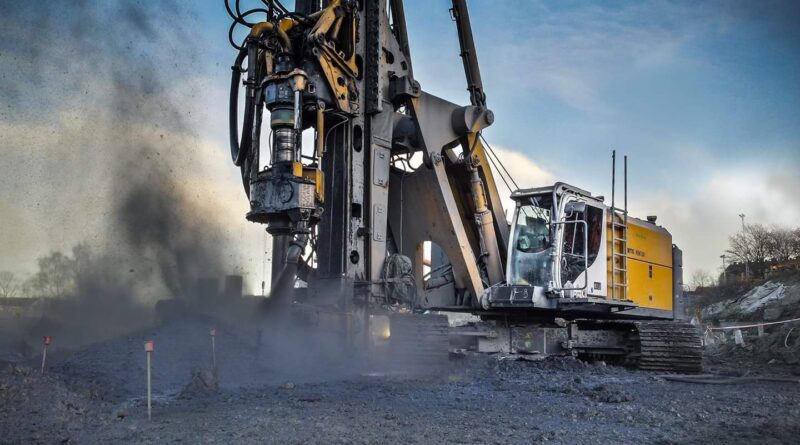
A pile drilling machine is widely used in construction to create deep, stable boreholes for pile foundations. However, not all machines perform equally across different soil types, which makes proper selection essential for project success.
Understanding the Importance of Soil Conditions
Soil is never uniform, even within a single construction site. It can vary from soft clay to dense gravel or rocky layers, each requiring different drilling approaches. Understanding these variations helps engineers choose equipment that can handle resistance, maintain accuracy, and ensure borehole stability.
Before selecting a drilling machine, geotechnical surveys are typically conducted to analyze:
- Soil composition and density
- Groundwater level
- Load-bearing capacity
- Presence of rock or hard layers
These factors directly influence the type of drilling system required.
Matching Pile Drilling Machines to Soil Types
Different soil conditions demand different machine capabilities. Choosing the correct type ensures efficiency and reduces operational risks.
1. Soft Clay and Loose Soil
For soft clay or loose sandy soil, machines with continuous flight auger (CFA) systems are highly effective. They minimize collapse risk and allow smooth soil removal while maintaining borehole stability.
2. Medium-Dense Soil
Rotary drilling rigs are commonly used in medium-dense soil conditions. They provide strong torque and can handle mixed soil layers with ease, making them suitable for general construction projects.
3. Hard Soil and Gravel Layers
When dealing with compacted gravel or hard soil, heavy-duty rigs with high torque rotary heads are required. These machines can penetrate resistant layers without losing alignment or efficiency.
4. Rock or Extremely Hard Ground
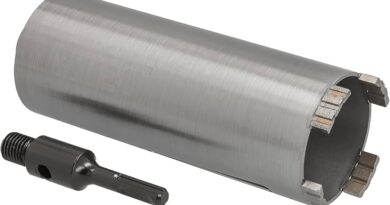
In rocky conditions, specialized drilling tools such as core barrels or rock augers are used. These systems are designed to break and extract hard materials while maintaining borehole precision.
Key Factors to Consider When Choosing a Machine
Selecting the right equipment goes beyond soil type. Several technical and operational factors should be evaluated.
- Required pile depth and diameter
- Load-bearing requirements of the structure
- Site accessibility and working space
- Machine mobility (crawler or truck-mounted)
- Hydraulic power and torque capacity
Each of these factors ensures that the selected machine can meet both engineering and environmental demands.
Machine Performance and Efficiency
Efficiency is a critical factor in construction timelines. A suitable machine should be able to maintain consistent performance under varying soil conditions without frequent breakdowns or delays.
Important performance considerations include:
- Drilling speed across different soil layers
- Fuel or energy efficiency
- Ease of tool replacement
- Operator control and automation features
A well-matched machine reduces downtime and improves project productivity significantly.
Safety and Operational Stability
Safety is another key aspect when choosing drilling equipment. Machines must be stable enough to handle deep excavation without risking collapse or misalignment.
Key safety features to look for include:
- Strong chassis and balanced design
- Real-time monitoring systems
- Automatic shutdown or alert mechanisms
- Reliable hydraulic control systems
These features ensure safe operation even in challenging environments.
Cost vs Long-Term Value
While initial investment is important, long-term value should be the priority in equipment selection. A cheaper machine may lead to higher maintenance costs and inefficiency over time.
Engineers often evaluate:
- Maintenance frequency and cost
- Durability of components
- Availability of spare parts
- Expected service life
Choosing the right equipment can significantly reduce overall project costs in the long run.
Conclusion
Selecting the right drilling equipment based on soil conditions is a critical step in ensuring the success of any deep foundation project. A well-matched system improves efficiency, safety, and structural reliability.
By carefully analyzing soil characteristics and project requirements, engineers can make informed decisions that maximize performance and minimize risks. Ultimately, the right pile drilling solution leads to stronger foundations and more successful construction outcomes.