
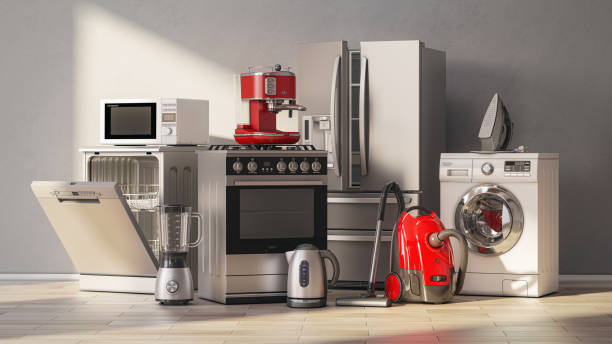
Smart Home Appliance Brands Focused on Energy Efficiency and Sustainability
As global energy demands rise and environmental concerns become more urgent, consumers are increasingly prioritizing energy-efficient and sustainable home solutions. Smart technology has become a key driver in this shift, enabling households to reduce waste, optimize consumption, and live more responsibly without sacrificing convenience.
In this context, smart home appliance brands are playing a major role by designing products that combine intelligent automation with eco-friendly performance. These innovations are reshaping how modern homes manage energy use and environmental impact.
The Growing Importance of Energy Efficiency in Smart Homes
Energy efficiency is now a central expectation in home appliance design. Smart homes are built to minimize unnecessary power consumption while maintaining high performance across all devices.
This shift is driven by several factors:
- Rising electricity costs in many regions
- Increased awareness of climate change
- Government regulations promoting energy-saving products
- Consumer demand for lower utility bills
Smart appliances help address these challenges through automation and real-time energy management.
How Smart Appliances Reduce Energy Consumption
Smart home appliances are designed to operate more efficiently than traditional models. They use sensors, software, and connectivity features to adjust performance based on actual usage.
Common energy-saving mechanisms include:
- Automatic power shut-off when devices are idle
- Load-based energy adjustment systems
- Scheduled operation during off-peak hours
- Real-time monitoring of energy consumption
These features ensure that appliances only use energy when needed, reducing unnecessary waste.
IoT Technology and Intelligent Energy Management
The Internet of Things (IoT) plays a critical role in improving energy efficiency. Connected devices can communicate with each other and respond to user behavior or environmental conditions.
Key IoT benefits include:
- Centralized control of multiple appliances
- Data-driven insights into household energy use
- Remote adjustment of device settings
- Integration with smart energy grids
This level of connectivity allows users to make informed decisions about their energy consumption patterns.
Sustainable Materials and Eco-Friendly Manufacturing
Sustainability is not limited to product usage—it also begins at the manufacturing stage. Leading smart appliance manufacturers are adopting environmentally responsible production practices.
Key sustainability efforts include:
- Use of recyclable and low-impact materials
- Reduction of plastic components in product design
- Energy-efficient manufacturing processes
- Waste reduction in production facilities
These practices help reduce the overall environmental footprint of smart appliances.
Energy-Efficient Design in Modern Appliances
Design plays a significant role in improving energy efficiency. Smart appliances are engineered to perform tasks more effectively while consuming less power.
Examples of energy-efficient design features include:
- High-efficiency motors in kitchen and cleaning appliances
- Improved insulation in heating and cooling devices
- Precision temperature and power control systems
- Lightweight materials that reduce energy demand
These design improvements contribute to long-term energy savings for households.
Real-Time Monitoring and User Awareness
One of the most powerful features of smart appliances is their ability to provide real-time energy data. This helps users understand how and when energy is being used.
Monitoring features often include:
- Mobile app dashboards showing energy usage
- Daily, weekly, or monthly consumption reports
- Alerts for unusually high energy usage
- Suggestions for optimizing appliance settings
By increasing awareness, users can make more sustainable choices in daily life.
Integration with Smart Energy Systems
Smart appliances are increasingly designed to work with broader smart energy systems, including renewable energy sources and smart grids.
This integration enables:
- Optimization of energy use based on grid demand
- Coordination with solar power systems
- Automatic adjustment during peak and off-peak hours
- Improved overall household energy balance
Such systems help reduce strain on energy infrastructure while maximizing efficiency.
Long-Term Environmental and Economic Benefits
Energy-efficient smart appliances provide both environmental and financial advantages. While initial costs may be higher, long-term savings and sustainability benefits are significant.
Key long-term benefits include:
- Reduced household electricity bills
- Lower carbon footprint over time
- Extended appliance lifespan through optimized usage
- Contribution to global sustainability efforts
These advantages make smart appliances a practical investment for environmentally conscious consumers.
Innovation Driving Sustainable Smart Homes
Innovation continues to push the boundaries of what smart appliances can achieve. Manufacturers are constantly improving energy efficiency while maintaining or enhancing performance.
Future trends include:
- AI-driven predictive energy optimization
- Fully automated home energy management systems
- Greater integration with renewable energy sources
- More efficient standby and low-power modes
These advancements will further strengthen the role of smart appliances in sustainable living.
Conclusion
Energy efficiency and sustainability are becoming defining features of modern home technology. Smart appliances are no longer just about convenience—they are essential tools for responsible energy management and environmental protection.
By choosing advanced smart home appliance brands, consumers can reduce energy consumption, lower costs, and support a more sustainable future. As innovation continues, smart homes will play an increasingly important role in creating efficient and eco-friendly lifestyles.

