
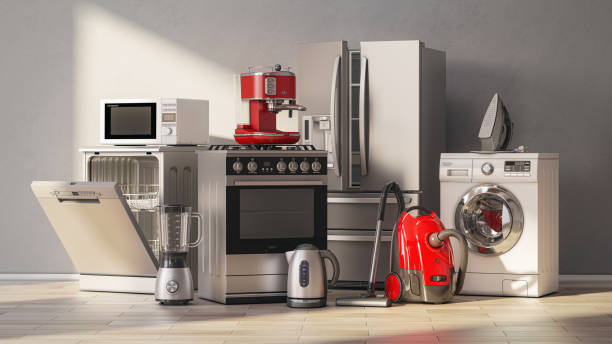
Quality Control Standards Used by Small Appliance Suppliers
In the global home appliance industry, quality control is one of the most important factors determining product success. Small appliances such as electric kettles, food processors, and irons are widely used in households, which means even minor defects can lead to customer dissatisfaction and brand damage.
To maintain consistency and safety, manufacturers follow strict inspection systems throughout production. Many buyers evaluate small appliance suppliers specifically based on how well they implement quality control standards, since this directly affects product reliability, compliance, and long-term business performance.
The Role of Quality Control in Small Appliance Manufacturing
Quality control (QC) ensures that every product meets defined safety and performance standards before reaching the market. In small appliance production, this involves monitoring every stage of manufacturing—from raw materials to final packaging.
Unlike large industrial machines, small appliances are consumer-facing products. This means they must meet both functional expectations and strict safety regulations. A single defective unit can lead to product recalls, warranty claims, and loss of customer trust.
Strong quality control systems help manufacturers reduce risks while maintaining consistent output across large production volumes.
Incoming Material Inspection (IQC)
The first step in quality assurance is Incoming Quality Control (IQC). This process involves checking raw materials and components before they enter the production line.
Suppliers inspect materials such as plastics, heating elements, wiring, and electronic components to ensure they meet required specifications. If any material fails testing, it is rejected before manufacturing begins.
This step is essential because poor-quality raw materials can compromise the entire production batch, leading to performance issues or safety hazards.
In-Process Quality Control (IPQC)
During production, manufacturers implement In-Process Quality Control (IPQC) to monitor each stage of assembly. This ensures that any issues are detected early rather than after production is completed.
Common IPQC checks include:
- Assembly accuracy and component fitting
- Electrical wiring safety and insulation testing
- Temperature resistance and heating performance
- Functional testing during assembly stages
By identifying defects early, suppliers reduce waste, improve efficiency, and maintain consistent product quality.
Final Product Inspection (FQC)
Once production is complete, every batch undergoes Final Quality Control (FQC). This is one of the most critical stages in ensuring product reliability before shipment.
Final inspections typically include:
- Full functionality testing of each appliance
- Safety compliance verification
- Visual inspection for cosmetic defects
- Packaging and labeling accuracy checks
Only products that pass all required tests are approved for distribution. This step ensures that customers receive fully functional and safe appliances.
Reliability Testing and Performance Evaluation
Beyond standard inspections, many manufacturers conduct additional reliability tests to simulate real-world usage conditions. These tests help ensure that products perform consistently over time.
Common testing methods include:
- Continuous operation testing to evaluate durability
- Overheating and overload protection tests
- Voltage fluctuation resistance checks
- Drop and vibration tests for transportation safety
These evaluations help identify potential long-term issues before products reach consumers.
International Certifications and Compliance Standards
To compete in global markets, manufacturers must comply with international safety and quality standards. Certifications are an important indicator of a supplier’s credibility and reliability.
Key certifications include:
- CE marking for European safety compliance
- RoHS for environmental and hazardous substance control
- ISO 9001 for quality management systems
- GS certification for product safety in certain markets
These certifications demonstrate that a supplier follows standardized processes and meets regulatory requirements across different regions.
Continuous Improvement and Quality Feedback Systems
Modern manufacturing is not limited to inspection alone. Leading suppliers implement continuous improvement systems based on customer feedback and production data.
This includes analyzing product returns, monitoring defect patterns, and improving design or materials accordingly. Feedback loops help manufacturers refine their processes and reduce recurring issues.
Suppliers that invest in continuous improvement are more likely to maintain long-term consistency and customer satisfaction.
Conclusion
Quality control is the foundation of trust in the small appliance industry. From raw material inspection to final product testing, every stage plays a critical role in ensuring safety, durability, and performance.
For businesses sourcing products internationally, understanding these processes is essential when evaluating potential partners. Choosing experienced small appliance suppliers with strong quality control systems helps reduce risks, improve product reliability, and build long-term brand credibility in competitive markets.