
Dental Braces in Malaysia: A Complete Guide to Straightening Your Smile
Dental braces are one of the most effective orthodontic treatments for correcting misaligned teeth, improving bite issues, and enhancing overall oral health. Over time, advancements in dental technology have made braces more comfortable, discreet, and efficient than ever before. People of all ages now seek orthodontic treatment not only for cosmetic improvements but also for long-term dental health benefits such as better chewing function and easier oral hygiene maintenance.
In modern dental care systems across Malaysia, orthodontic treatments are widely accessible in both private and public clinics. Patients can choose from different types of braces depending on their dental needs, lifestyle, and budget. Many individuals researching orthodontic care often refer to Dental Braces in Malaysia to understand available treatment options, procedures, and professional guidance for achieving a healthier, straighter smile.
Understanding Dental Braces
Dental braces are orthodontic devices designed to gradually move teeth into proper alignment over a period of time. They apply continuous, gentle pressure to shift teeth into their correct positions, improving both function and appearance.
The process begins with a dental consultation where an orthodontist evaluates the patient’s teeth, jaw alignment, and bite structure. X-rays, digital scans, and impressions are typically taken to create a customized treatment plan.
Braces are usually worn for several months to a few years depending on the complexity of the case. Regular adjustments are necessary to ensure steady progress throughout the treatment period.
Types of Dental Braces
There are several types of dental braces available today, each offering unique advantages based on patient preference and orthodontic needs.
Metal braces are the most traditional and widely used option. They are highly durable and effective in treating complex alignment issues.
Ceramic braces function similarly to metal braces but use tooth-colored materials, making them less noticeable.
Lingual braces are attached to the back of the teeth, making them virtually invisible from the front.
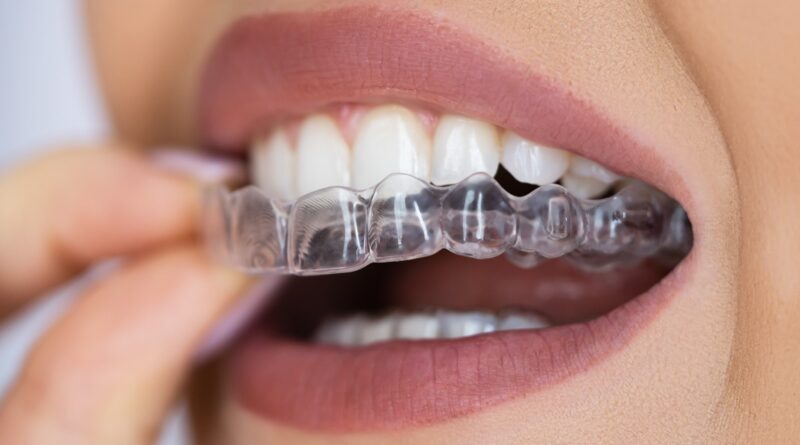
Clear aligners are removable trays that gradually move teeth into position. They are popular for their comfort and discreet appearance.
Each type has its own benefits, and the choice depends on factors such as treatment goals, lifestyle, and budget.
Benefits of Dental Braces
Dental braces offer numerous benefits beyond improving appearance. One of the main advantages is better oral health, as properly aligned teeth are easier to clean and maintain.
They help correct bite issues such as overbite, underbite, and crossbite, improving chewing efficiency and speech clarity.
Braces also reduce the risk of tooth decay and gum disease by eliminating crowded or overlapping teeth that can trap food particles.
In addition, they enhance facial aesthetics by improving jaw alignment and smile symmetry.
Cost of Dental Braces Treatment
The cost of braces varies depending on the type of treatment, complexity of the case, and duration of care.
Metal braces are generally the most affordable option, while ceramic and lingual braces tend to be more expensive due to their materials and design.
Clear aligners often fall into a higher price range because of their custom manufacturing and advanced technology.
Additional costs may include consultation fees, diagnostic imaging, follow-up visits, and retainers after treatment.
It is important for patients to discuss pricing and payment plans with their orthodontist before starting treatment.
What to Expect Before Getting Braces
Before receiving braces, patients undergo a comprehensive dental evaluation. This includes X-rays, photographs, and impressions to assess tooth and jaw alignment.
The orthodontist then explains the treatment plan, expected duration, and recommended type of braces.
Some patients may need preliminary dental treatments such as cleaning, fillings, or extractions before braces are fitted.
Understanding the process beforehand helps patients prepare mentally and physically for the treatment journey.
What Happens During Braces Installation
The installation of braces is a simple and painless procedure performed by an orthodontist.
First, the teeth are cleaned and dried thoroughly. Brackets are then attached to each tooth using dental adhesive.
A wire is placed through the brackets to apply gentle pressure for gradual tooth movement.
Patients may experience mild discomfort or tightness after installation, but this usually subsides within a few days.
Life During Braces Treatment
Living with braces requires adjustments to daily habits, especially in oral hygiene and diet.
Patients are advised to avoid hard, sticky, or chewy foods that may damage the braces.
Proper brushing and flossing are essential to prevent plaque buildup around brackets and wires.
Regular dental visits are necessary for adjustments and progress monitoring.
Although temporary discomfort may occur after adjustments, it is generally manageable.
Retainers After Braces
After braces are removed, retainers are used to maintain the new alignment of teeth.
Retainers prevent teeth from shifting back to their original positions.
They may be fixed or removable depending on the orthodontist’s recommendation.
Wearing retainers as instructed is essential for maintaining long-term treatment results.
Conclusion
Dental braces are a highly effective solution for correcting misaligned teeth and improving overall oral health. With various treatment options available, patients can choose braces that best suit their needs and lifestyle.
From initial consultation to post-treatment care, orthodontic treatment is a structured process that delivers long-lasting benefits when followed properly. With professional guidance and consistent care, individuals can achieve a healthier, more confident smile that enhances both appearance and dental function.