
Wheelchair Safety Tips Every User and Caregiver Should Know
Introduction
Mobility devices have transformed millions of lives, offering freedom, independence, and dignity to individuals with limited mobility. However, using a 輪椅 safely requires awareness, preparation, and proper technique. Whether you are a first-time user or a caregiver assisting someone daily, understanding safety best practices can significantly reduce the risk of accidents and improve overall comfort. This guide explores essential safety tips that every 輪椅 user and caregiver should know to ensure smooth, secure mobility both indoors and outdoors.
Understanding Your Equipment
The first step toward safety is knowing the specific type of 輪椅 being used. Manual and electric models have different operating mechanisms, braking systems, and maintenance requirements. Users should read the manufacturer’s manual carefully and, if possible, receive a demonstration from a healthcare professional or supplier.
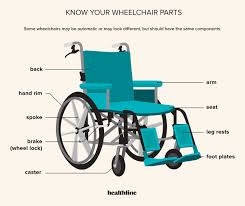
Make sure the brakes function correctly and are easy to engage. For manual models, check that push rims are secure and wheels spin smoothly. For powered options, confirm that the battery is fully charged and the control panel responds properly. Regular equipment checks prevent unexpected malfunctions that could lead to falls or injuries.
Mastering Safe Transfers
Transfers are one of the most common situations where injuries occur. Moving from a 輪椅 to a bed, sofa, toilet, or car requires proper technique. Always lock the brakes before transferring and move footrests out of the way. If the 輪椅 has removable armrests, consider lifting them to create more space.
Caregivers should use proper body mechanics, keeping their back straight and lifting with their legs rather than their back. When possible, use transfer boards or mechanical lifts to reduce strain and increase safety. Clear communication between the user and caregiver is essential during every transfer.
Navigating Different Surfaces
Indoor surfaces may seem safe, but loose rugs, uneven flooring, and clutter can quickly become hazards. Remove obstacles and ensure pathways are wide enough for easy movement. In bathrooms, install grab bars and use non-slip mats to reduce the risk of slipping.
Outdoor environments present additional challenges. Ramps should have gentle slopes and sturdy handrails. When traveling downhill, move slowly and maintain control of the wheels. Avoid steep inclines whenever possible. Being mindful of terrain differences helps prevent tipping or loss of balance.
Maintaining Proper Posture and Positioning
Correct seating posture is crucial for both safety and long-term health. Poor positioning in a 輪椅 can lead to pressure sores, back pain, and circulation problems. Ensure that the seat cushion provides adequate support and that the user’s feet rest comfortably on footplates.
Adjust the backrest and armrests to maintain a natural spine alignment. For individuals who spend extended hours seated, pressure-relieving cushions and routine repositioning are essential. Caregivers should monitor skin condition regularly to identify early signs of pressure injuries.
Brake and Anti-Tip Awareness
Brakes are not designed to slow down a moving 輪椅 but to keep it stationary. Always engage brakes during transfers and when parked on any slope. Anti-tip devices can provide additional stability, especially for new users or those navigating uneven terrain.
For powered models, understand the joystick sensitivity and speed settings. Starting at a lower speed allows users to build confidence before gradually increasing mobility pace. Practicing in a safe, open space can improve control and reaction time.
Routine Maintenance and Inspection
Regular maintenance is key to long-term safety. Inspect tires weekly for wear and proper inflation. Loose bolts or worn bearings should be repaired immediately. For electric units, keep batteries clean and follow charging guidelines to extend lifespan.
Schedule professional servicing at least once a year. Preventive maintenance not only improves performance but also ensures that the 輪椅 remains reliable during daily use. Small mechanical issues can escalate quickly if ignored.
Emergency Preparedness
Accidents can happen despite careful planning. Users and caregivers should know how to respond in emergencies. Keep a mobile phone accessible at all times. Learn basic first aid and know how to safely assist someone if the 輪椅 tips over.
In public places, identify accessible exits and elevators in advance. Planning routes before heading out can reduce stress and enhance confidence.
Conclusion
Safety is the foundation of mobility independence. By understanding equipment features, practicing proper transfer techniques, maintaining good posture, and committing to routine maintenance, both users and caregivers can create a secure and comfortable experience. A 輪椅 is more than a device; it is a tool that empowers individuals to live actively and confidently. With the right knowledge and precautions, it can provide reliable mobility for years to come.