
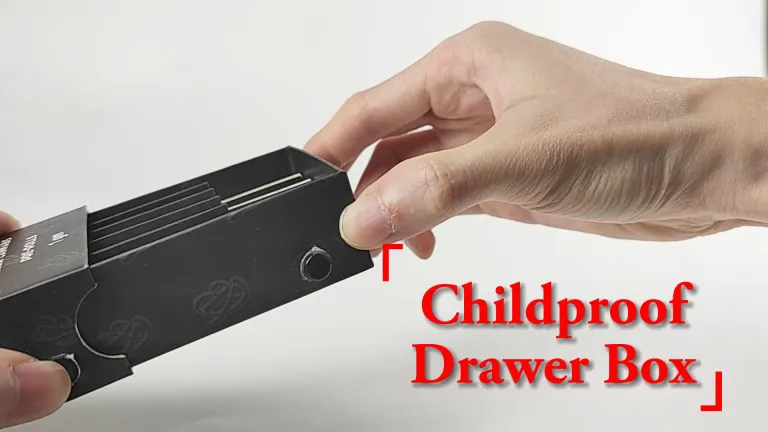
Regulatory Compliance Requirements for Child Resistant Boxes
Child-resistant boxes are an essential component in industries that handle pharmaceuticals, cannabis products, household chemicals, and other potentially hazardous items. These boxes are specifically designed to prevent children from accessing harmful contents while still being accessible to adults. Regulatory compliance for child-resistant boxes is critical, as failure to meet safety standards can lead to legal penalties, recalls, and damage to brand reputation. Businesses must understand the specific regulations that govern the design, production, and distribution of these protective packaging solutions.
Many businesses source packaging solutions in bulk to maintain efficiency and cost-effectiveness. Utilizing trusted suppliers that offer Child Resistant Boxes ensures that companies meet compliance standards consistently. Wholesale providers often implement rigorous quality control and testing protocols, helping businesses stay within the boundaries of regulatory requirements while maintaining a reliable supply chain.
Legal and Regulatory Framework
The regulatory landscape for child-resistant boxes varies depending on the product type and region. In the United States, the Consumer Product Safety Commission (CPSC) enforces the Poison Prevention Packaging Act (PPPA), which mandates child-resistant packaging for prescription drugs, certain over-the-counter medications, and hazardous household products. Non-compliance with these regulations can result in fines, product recalls, and legal liabilities.
Other countries and regions have their own regulatory standards. For instance, European Union regulations require compliance with specific EN standards for child safety packaging, and Canada enforces Health Canada guidelines for child-resistant containers. Businesses operating in multiple markets must ensure that their packaging meets the requirements of each jurisdiction.
Testing Standards and Protocols
Child-resistant boxes must undergo rigorous testing to confirm that they meet regulatory safety requirements. Testing generally focuses on two key groups: children and adults. Child panel tests measure the effectiveness of the packaging in preventing access by children, typically ages 42 to 51 months. The packaging must demonstrate a high level of resistance to opening by children during a specified testing period.
Adult panel tests assess whether the packaging remains functional and reasonably easy for adults to open, ensuring usability and compliance with accessibility guidelines. These dual-testing standards ensure that packaging is safe for children while remaining practical for the intended users.
Material and Structural Requirements
Regulations also govern the materials and structural design of child-resistant boxes. Packaging materials must be durable, resistant to impact, and capable of withstanding repeated use without failure. Plastic, cardboard, and composite materials commonly used for child-resistant boxes must meet these durability standards.
Structural design elements, including locking mechanisms, closures, and tamper-evident features, are critical for compliance. The packaging must resist tampering and accidental openings while maintaining usability for adults. Manufacturers often provide detailed documentation to confirm that materials and structural components meet regulatory requirements.
Labeling and Safety Information
Compliance requirements extend beyond the physical packaging to labeling and consumer information. Regulatory agencies require that child-resistant boxes include clear warnings, usage instructions, and information about the product contained within. Proper labeling ensures that consumers understand the purpose of the packaging and how to open it safely.
In some regions, additional labeling requirements specify font size, contrast, and placement to enhance readability. Pharmaceutical products may require dosage instructions and regulatory compliance statements printed directly on the packaging.
Documentation and Traceability
Maintaining proper documentation is a crucial aspect of regulatory compliance. Manufacturers and suppliers of child-resistant boxes must provide certificates of compliance, testing reports, and batch records. This documentation ensures traceability in the supply chain, enabling businesses to demonstrate compliance during audits or inspections.
Traceability also allows businesses to quickly address issues in the event of product recalls or safety concerns. Wholesale suppliers often manage this process as part of their quality control system, giving businesses confidence in the compliance and reliability of their packaging solutions.
Continuous Compliance and Updates
Regulatory standards for child-resistant boxes are subject to updates as safety research evolves and new hazards are identified. Businesses must stay informed about changes in legislation, testing procedures, and international standards. Regular review of packaging practices, ongoing supplier audits, and updated testing procedures are essential to maintain compliance over time.
Failure to adapt to new regulations can result in fines, recalls, or reputational damage. Partnering with experienced suppliers helps companies remain up to date with evolving compliance requirements.
Benefits of Compliance for Businesses
Adhering to regulatory compliance requirements for child-resistant boxes provides multiple advantages. It ensures product safety, protects consumers, and strengthens brand reputation. Compliance also reduces the risk of legal action, financial penalties, and supply chain disruptions.
For businesses operating in highly regulated industries, compliance demonstrates professionalism and builds trust with customers, healthcare providers, and distributors. Investing in quality child-resistant packaging supports long-term operational efficiency and market credibility.
Conclusion
Regulatory compliance for child-resistant boxes is a vital aspect of product safety, particularly in industries that handle hazardous or sensitive materials. From adherence to legal frameworks and testing protocols to material selection, structural design, labeling, and documentation, businesses must ensure that every aspect of packaging meets established standards. Partnering with reliable suppliers offering wholesale solutions provides access to compliant, high-quality child-resistant boxes, streamlining procurement while protecting both consumers and the business. Meeting regulatory requirements not only ensures safety but also enhances brand credibility and long-term operational success.