
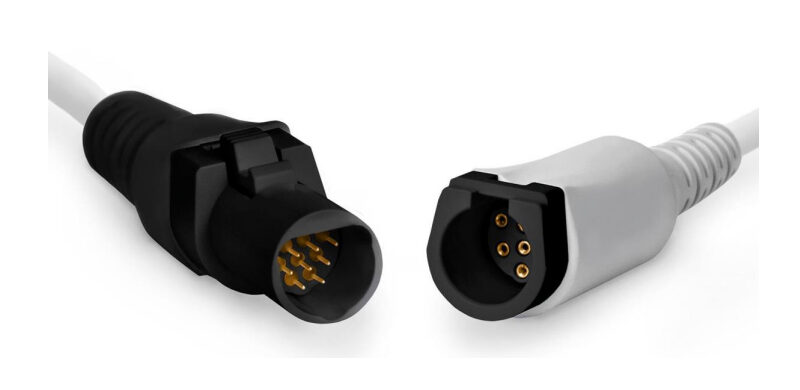
Medical Electrical Connectors in Imaging Devices
Introduction
Medical imaging devices, such as MRI scanners, CT scanners, X-ray machines, and ultrasound equipment, play a critical role in modern diagnostics. These devices require precise electrical connections to transmit power and data between components. At the heart of these systems are medical electrical connectors, which ensure stable, reliable, and accurate signal transmission. High-quality connectors are essential for imaging devices to operate safely, efficiently, and with minimal risk of downtime or malfunction.
The Role of Connectors in Imaging Systems
Medical imaging devices consist of complex subsystems, including sensors, data processors, power modules, and display interfaces. Medical electrical connectors serve as the interface between these components, allowing them to communicate and function effectively. Any interruption in connectivity can lead to signal degradation, poor image quality, or device errors. For reliable performance, connectors must handle high-frequency signals, significant power loads, and exposure to demanding operating environments. For those seeking high-performance solutions, medical electrical connectors provide durable, corrosion-resistant, and precisely engineered connections that meet the stringent requirements of imaging equipment.
Types of Connectors Used in Imaging Devices
Imaging devices utilize a variety of connector types, each designed for specific functions. Circular connectors are commonly used for their robust design and resistance to vibration and mechanical stress. Rectangular and modular connectors are favored when multiple signal paths are required in a compact space. High-density connectors allow the transfer of multiple signals simultaneously, which is critical in advanced imaging systems where large volumes of data are processed in real time. These connectors ensure that image data is transmitted without interference or signal loss, maintaining the accuracy and clarity necessary for clinical diagnosis.
Electrical and Mechanical Performance Requirements
The performance of medical electrical connectors in imaging devices depends on both their electrical and mechanical properties. Low contact resistance is essential to reduce energy loss and prevent heat buildup, which can compromise sensitive imaging electronics. Connectors must also provide high signal integrity to minimize noise and distortion, ensuring that imaging sensors capture accurate data. Mechanically, connectors need to withstand repeated mating cycles, vibration, and potential shocks during device transport or use. Connectors with secure locking mechanisms and ergonomic designs reduce the risk of accidental disconnection, maintaining uninterrupted operation during critical imaging procedures.
Materials and Durability Considerations
The materials used in connectors for imaging devices are critical to their long-term reliability. Conductive components are typically made from copper alloys and plated with gold or silver to enhance corrosion resistance and ensure consistent electrical contact. Connector housings and insulating components are often constructed from high-performance plastics or composites that resist heat, chemicals, and repeated sterilization. Durable materials help connectors withstand the demanding environments found in hospitals and diagnostic centers, including frequent cleaning, high humidity, and variable temperatures.
Compliance with Medical Standards
Connectors used in medical imaging devices must meet rigorous regulatory and safety standards. Compliance with IEC 60601, ISO 13485, and other relevant certifications ensures that connectors provide electrical safety, mechanical reliability, and biocompatibility. These standards help prevent electrical hazards, signal interference, or device malfunctions, ensuring that imaging equipment performs reliably in clinical settings. Hospitals and diagnostic centers rely on these certifications to ensure patient safety and protect the integrity of diagnostic results.
Impact on Imaging Accuracy and Patient Care
The quality of connectors directly affects the accuracy and reliability of medical imaging. Faulty or low-quality connectors can lead to signal degradation, resulting in unclear images or misdiagnoses. High-performance connectors maintain signal integrity and enable real-time data transfer, allowing clinicians to make accurate assessments quickly. In critical imaging scenarios, such as detecting tumors or monitoring organ function, reliable connectors contribute to better patient outcomes by supporting precise and timely diagnoses.
Conclusion
Medical electrical connectors are vital components in the operation of imaging devices. They provide stable, high-quality connections that ensure reliable signal transmission, accurate imaging, and uninterrupted performance. By combining robust mechanical designs, high-quality conductive materials, and compliance with strict medical standards, these connectors support the demanding requirements of modern imaging technology. Investing in durable, certified medical electrical connectors enhances the performance, longevity, and safety of imaging devices, ultimately improving patient care and diagnostic confidence.