
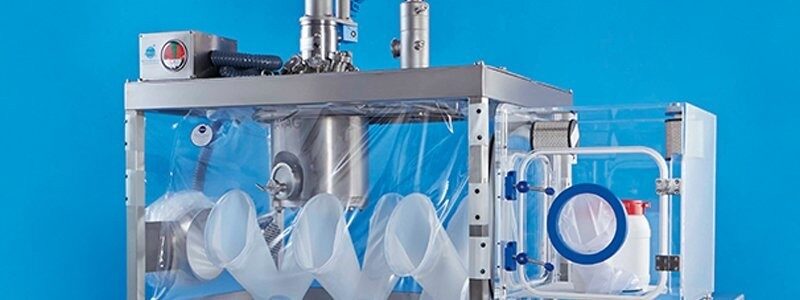
Maintenance and Cleaning of Agitated Nutsche Filter Dryers
Agitated Nutsche Filter Dryers (ANFDs) are highly specialized pieces of equipment used in chemical, pharmaceutical, and food processing industries for filtration, washing, and drying of solids in a single vessel. Due to the complexity of these systems and the critical nature of their applications, proper maintenance and cleaning are essential to ensure optimal performance, extend equipment lifespan, and maintain product quality. Regular care not only prevents unexpected downtime but also ensures compliance with hygiene and safety standards in highly regulated environments.
Proper maintenance of an Agitated Nutsche Filter Dryer begins with understanding its key components, including the agitator, filter plate, jacketed vessel, seals, and valves. The agitator is critical for preventing cake compaction during filtration and ensuring uniform washing and drying. Over time, wear on agitator blades or bearings can reduce efficiency, making inspection and lubrication essential. Similarly, the filter plate must be free of blockages or damage to maintain proper filtration performance. Valves, seals, and gaskets should be regularly checked for leaks or wear, as failure in these areas can lead to contamination, loss of vacuum, or reduced drying efficiency.
Scheduled Inspection and Preventive Maintenance
A structured preventive maintenance program is vital for keeping ANFDs in optimal condition. Routine inspections should include checking the mechanical integrity of the agitator, examining the condition of seals and gaskets, and ensuring all heating and vacuum systems are operating efficiently. Bearings and gearboxes should be lubricated according to manufacturer guidelines, and any worn parts should be replaced promptly. Preventive maintenance schedules also involve calibrating instrumentation such as pressure gauges, temperature sensors, and vacuum controllers to guarantee accurate readings and consistent operation. Following these guidelines helps avoid unexpected failures and maintains uninterrupted production.
Cleaning Protocols and Hygiene Standards
Cleaning an Agitated Nutsche Filter Dryer is critical for product quality, especially in pharmaceutical and food applications. The enclosed nature of the equipment allows for controlled cleaning procedures, reducing the risk of contamination. Most modern ANFDs are designed to support Clean-in-Place (CIP) and Steam-in-Place (SIP) processes. CIP involves circulating cleaning solutions through the vessel, agitator, and piping without dismantling the system. This method ensures thorough removal of residual solids, impurities, or chemical residues. SIP uses steam to sterilize the equipment, eliminating microbial contamination and meeting stringent hygiene standards. Proper cleaning protocols should follow manufacturer recommendations and regulatory requirements to maintain compliance and safety.
Disassembly and Manual Cleaning
While CIP and SIP systems handle routine cleaning efficiently, occasional manual cleaning may be required, especially in cases of heavy fouling or when changing product types. During manual cleaning, the vessel should be depressurized and opened carefully. The filter plate, agitator blades, and vessel walls should be scrubbed with suitable cleaning agents that do not damage the equipment surfaces. After cleaning, all components should be thoroughly rinsed and inspected before reassembly. Proper handling and reinstallation of seals, gaskets, and other mechanical parts are essential to restore the system’s full functionality.
Monitoring Wear and Corrosion
Agitated Nutsche Filter Dryers are often exposed to harsh chemicals, abrasive solids, and high temperatures, which can cause wear and corrosion over time. Regular inspection for signs of erosion, pitting, or corrosion on the vessel, agitator, and filter plate is critical. Using materials of construction compatible with the process—such as stainless steel, Hastelloy, or coated alloys—helps minimize these issues. Timely replacement of worn or corroded parts prevents leaks, reduces downtime, and ensures that the equipment maintains its filtration and drying efficiency.
Lubrication and Moving Parts Maintenance
The agitator, drive motor, and gear assemblies are the most critical moving parts of an ANFD. Lubrication schedules recommended by the manufacturer should be strictly followed to prevent overheating and premature failure. Bearings and seals should be checked for signs of wear or contamination, as any malfunction can lead to inefficient agitation, uneven drying, or operational hazards. Proper maintenance of moving parts not only improves performance but also extends the lifespan of the equipment.
Documentation and Record Keeping
Maintaining detailed records of all maintenance and cleaning activities is essential for regulatory compliance and operational efficiency. Documentation should include inspection reports, parts replacements, cleaning cycles, and calibration records. This information helps identify recurring issues, supports preventive maintenance planning, and provides traceability for audits or quality assurance inspections.
Conclusion
Maintenance and cleaning of Agitated Nutsche Filter Dryers are crucial for ensuring operational efficiency, product quality, and safety in industrial processes. Scheduled inspections, preventive maintenance, proper lubrication, and adherence to cleaning protocols—both automated and manual—help prevent downtime and extend equipment life. Monitoring wear and corrosion, along with meticulous record-keeping, ensures compliance with stringent hygiene and regulatory standards. By implementing a robust maintenance and cleaning program, manufacturers can maximize the benefits of their ANFDs, achieving reliable filtration, effective washing, and efficient drying in a single integrated system.


