Latest Innovations in Small Character Inkjet Printer Technology
Introduction to Small Character Inkjet Printing
Small character inkjet printers have become indispensable tools in modern manufacturing and packaging industries. They provide a fast, reliable, and flexible method for marking products with essential information such as batch numbers, expiration dates, barcodes, and serial numbers. Over the years, advances in printer technology have transformed these systems from basic coding tools into sophisticated devices capable of supporting high-speed production and complex traceability requirements. As manufacturers increasingly prioritize efficiency, precision, and adaptability, understanding the latest innovations in this technology is essential.
High-Speed Printing and Advanced Control Systems
One of the most notable advancements in small character inkjet printer technology is the development of high-speed printing capabilities. Modern printers can produce thousands of clear and legible codes per minute without compromising quality. This improvement is particularly critical in fast-paced industries such as food and beverage, pharmaceuticals, and consumer goods, where production lines operate continuously and demand minimal downtime.
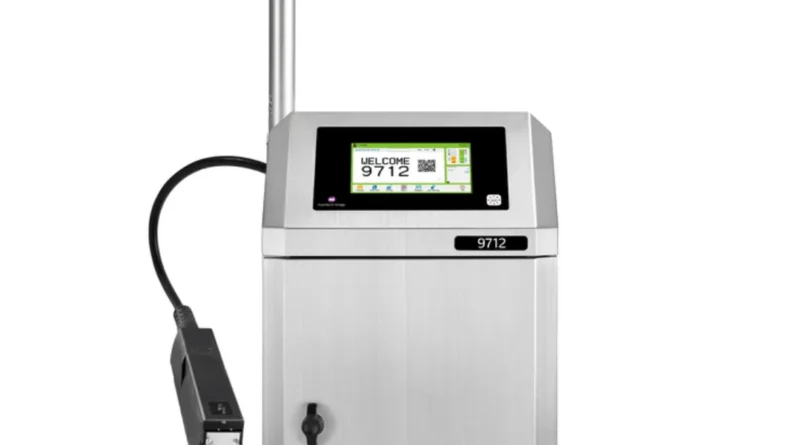
Additionally, many manufacturers now prefer solutions like the Small Character Inkjet Printer because of their advanced control systems. These systems integrate automated code management, remote monitoring, and real-time diagnostics, enabling operators to track performance, adjust print parameters, and troubleshoot issues without stopping production. This level of automation not only increases operational efficiency but also reduces human error, ensuring that all products meet strict quality and regulatory standards.
Innovations in Ink Formulations
Ink technology has seen significant progress, with new formulations designed for faster drying, higher durability, and broader substrate compatibility. Modern inks allow small character inkjet printers to mark on a wide variety of materials, including plastics, glass, metals, and flexible packaging films. Quick-drying inks minimize smudging and allow packaging to proceed immediately after coding, which is critical for high-speed production lines.
Some recent innovations also include environmentally friendly inks that reduce volatile organic compound (VOC) emissions. These eco-friendly inks maintain high print quality while addressing growing concerns about sustainability and workplace safety. Manufacturers now have access to inks with enhanced resistance to abrasion, moisture, and chemicals, ensuring that codes remain legible throughout the product’s lifecycle.
Enhanced Printhead Technology
Another major innovation is the improvement in printhead design. Modern printheads feature precision nozzles that generate consistently uniform droplets of ink, resulting in sharper and more accurate codes. Some models now incorporate self-cleaning mechanisms and clog detection systems, which reduce downtime and maintenance needs. Enhanced printhead technology ensures that small character inkjet printers deliver reliable performance even in demanding industrial environments.
Additionally, some advanced printers include multi-nozzle configurations, allowing simultaneous printing of multiple lines or complex graphics, such as logos or QR codes. This capability helps companies maintain branding consistency while meeting labeling and traceability requirements.
Integration with Smart Manufacturing Systems
The rise of Industry 4.0 has driven the integration of small character inkjet printers into smart manufacturing systems. Modern printers can now communicate with production line equipment, enterprise resource planning (ERP) systems, and quality control platforms. This connectivity enables real-time data collection, analytics, and reporting, helping manufacturers optimize production processes and ensure full traceability.
By connecting inkjet printers to broader digital ecosystems, companies can track production metrics, detect anomalies, and implement predictive maintenance. This proactive approach prevents unexpected downtime and enhances overall operational efficiency, creating a more responsive and agile manufacturing environment.
Compact and Flexible Designs
Recent innovations also emphasize compact, space-saving designs that fit easily into existing production lines. Smaller printers with flexible mounting options allow manufacturers to code products in tight spaces without compromising speed or quality. Portability and modularity are additional benefits, enabling easy relocation or expansion as production needs change.
Some modern models are designed for multi-line operations, capable of coding several products simultaneously. This flexibility reduces the need for multiple printers, lowering operational costs and simplifying maintenance schedules.
Future Directions and Emerging Trends
The future of small character inkjet printer technology points toward even greater automation, connectivity, and versatility. Emerging trends include the use of artificial intelligence (AI) to optimize print settings based on real-time production conditions, further improving accuracy and reducing waste. Additionally, printers are expected to become more energy-efficient, eco-friendly, and capable of integrating with augmented reality (AR) systems for operator guidance and remote support.
Advancements in ink chemistry, printhead engineering, and smart connectivity are likely to continue driving performance improvements, making small character inkjet printers more reliable, adaptable, and capable of meeting the growing demands of global manufacturing.
Conclusion
The latest innovations in small character inkjet printer technology have transformed these devices into highly efficient, precise, and flexible tools for industrial coding and marking. From high-speed printing and advanced control systems to improved inks, printheads, and smart integration, these developments enhance productivity, ensure regulatory compliance, and maintain high-quality standards across industries. As manufacturers adopt these innovations, small character inkjet printers will continue to play a critical role in supporting fast, reliable, and traceable production processes.