
Common Uses of 2 Axis CNC Lathes in Modern Workshops
Modern workshops rely heavily on advanced machining technology to produce high-quality components with precision and efficiency. Among the most widely used machines in these environments is the CNC lathe, which automates turning operations and ensures consistent results. As industries demand higher accuracy and faster production, CNC lathes have become an essential part of manufacturing processes across automotive, aerospace, electronics, and industrial equipment sectors.
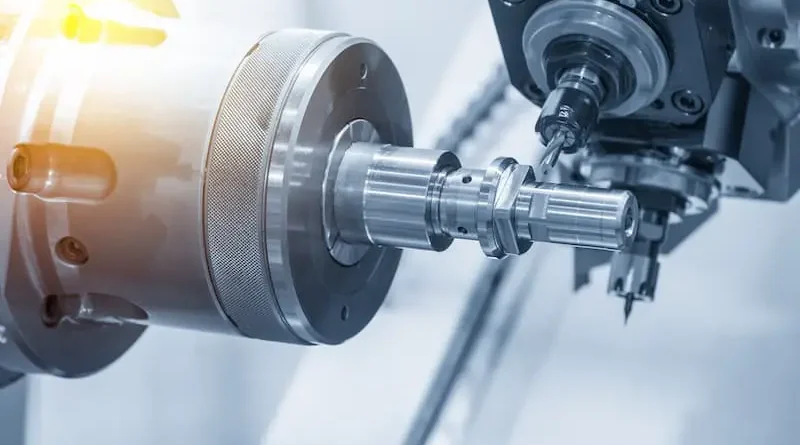
A popular option in many machining facilities is the 2 Axis CNC Lathe, which operates along the X and Z axes to perform precise cutting and shaping of cylindrical workpieces. This type of machine is designed to handle a variety of turning tasks efficiently, making it suitable for both small workshops and large-scale production facilities. Its ability to automate repetitive machining operations helps manufacturers improve workflow, reduce manual labor, and maintain consistent product quality.
Manufacturing Cylindrical Components
One of the most common uses of a 2 axis CNC lathe in modern workshops is the production of cylindrical components. Many mechanical parts require round shapes or rotational symmetry, making them ideal for lathe machining. These components include shafts, rods, bushings, and pins that are commonly used in machinery and industrial equipment.
The CNC lathe can precisely control cutting tools to shape the workpiece according to exact dimensions. Because the machine operates using programmed instructions, it can produce identical parts repeatedly with minimal variation. This is especially valuable for workshops that supply components for large manufacturing operations.
Producing Automotive Parts
Automotive manufacturing depends heavily on precision machining, and 2 axis CNC lathes play a major role in producing many vehicle components. Workshops often use these machines to create parts such as axles, transmission components, brake system elements, and engine-related parts.
The accuracy and repeatability of CNC lathes help ensure that these components meet strict industry standards. Consistency is critical in automotive production because even small deviations in part dimensions can affect performance and safety. By using a CNC lathe, workshops can maintain the quality required for automotive applications while keeping production efficient.
Thread Cutting and Fastener Production
Threaded parts are widely used in various industries, from construction and machinery to electronics and transportation. A 2 axis CNC lathe is particularly effective for cutting threads on cylindrical workpieces. This includes the production of bolts, threaded rods, screws, and specialized fasteners.
The machine can follow precise threading patterns programmed into the CNC system, ensuring accurate pitch and alignment. This level of precision is difficult to achieve consistently with manual machining. As a result, workshops often rely on CNC lathes for producing threaded components in both small batches and large quantities.
Machining Custom and Prototype Parts
Modern workshops frequently work on custom projects or prototype development for new products. A 2 axis CNC lathe is well-suited for this type of work because it can quickly adapt to different designs and specifications. By modifying the CNC program, operators can produce unique components without needing major changes to the machine setup.
This flexibility makes CNC lathes valuable in research and development environments as well as in workshops that serve multiple industries. Whether creating a prototype for testing or manufacturing specialized parts for a custom project, the machine provides the precision and control needed for successful results.
Producing Components for Industrial Machinery
Industrial machinery often requires durable and precisely machined components that can withstand heavy use. Workshops use 2 axis CNC lathes to manufacture parts such as couplings, sleeves, rollers, and mechanical connectors. These components are essential for ensuring smooth operation and reliability in industrial systems.
Because CNC lathes can handle various materials, including steel, aluminum, brass, and engineering plastics, they are capable of producing parts suited for different applications. The ability to maintain tight tolerances helps ensure that components fit properly within complex machinery assemblies.
Supporting Small and Medium-Scale Manufacturing
While large manufacturing plants often rely on advanced multi-axis machines, 2 axis CNC lathes remain highly valuable for small and medium-sized workshops. These machines provide an excellent balance between capability, cost, and ease of operation. Many workshops use them to handle daily machining tasks that require accuracy and efficiency.
They are particularly useful for businesses that produce moderate quantities of parts or offer contract machining services. By integrating CNC technology into their workflow, smaller workshops can compete with larger manufacturers by delivering precise and reliable components.
Conclusion
The 2 axis CNC lathe continues to play an important role in modern workshops due to its versatility, precision, and efficiency. From manufacturing cylindrical components and automotive parts to producing threaded fasteners and custom prototypes, this machine supports a wide range of machining applications. Its ability to deliver consistent results while reducing manual effort makes it an essential tool in many production environments.
As manufacturing technologies continue to advance, CNC lathes remain a reliable solution for workshops aiming to maintain high standards of quality and productivity. By incorporating these machines into their operations, businesses can handle diverse machining tasks, adapt to industry demands, and ensure long-term success in modern manufacturing.

