Cherry Blossom Season in Japan: A Malaysian Travel Checklist
Every year, thousands of Malaysians fly to Japan between late March and mid-April chasing the cherry blossoms. When it comes to travel planning, finding the right KL to Seoul flights option makes all the difference. The sakura season is genuinely magical — entire cities turn pink, locals picnic under the trees, and the atmosphere feels celebratory without being commercial. But timing it right and planning ahead is critical, because the bloom window lasts barely two weeks in each region.
When Exactly Do the Cherry Blossoms Bloom
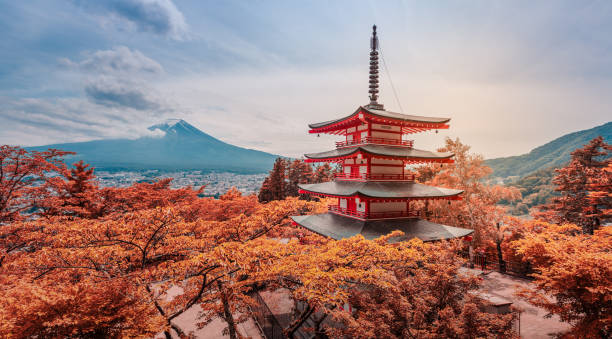
The Japan Meteorological Corporation releases sakura forecasts starting in January, and these predictions are remarkably accurate. In 2026, Tokyo’s full bloom is expected around March 25-28, Osaka around March 30-April 2, and Kyoto around April 1-4. Hokkaido blooms much later, around early May. If you’re looking at KL to Seoul flights instead, note that Korea’s cherry blossoms appear roughly one to two weeks after Japan’s southern regions, giving you a potential backup window.
Booking Flights Early Is Non-Negotiable
Cherry blossom season is the most expensive time to fly to Japan from Malaysia. AirAsia X and Malaysia Airlines both hike fares starting in January, and seats fill quickly. Booking three to four months ahead — ideally in November or December — gives you the best chance at reasonable fares. Return flights to Tokyo or Osaka typically cost RM1,800-2,800 during peak bloom. Traveloka Malaysia’s fare calendar view makes it easy to spot which departure dates are cheapest within your target window.
Where to See the Best Blossoms
Tokyo: Ueno Park and Shinjuku Gyoen are the most popular hanami (flower viewing) spots. Meguro River’s tree-lined canal is stunning but extremely crowded on weekends. Chidorigafuchi moat near the Imperial Palace offers rowboat rentals among the blossoms. Kyoto: the Philosopher’s Path, Maruyama Park, and Daigo-ji Temple are all exceptional. Osaka: the Mint Bureau opens its 560-metre cherry blossom walkway for one week each April — free entry, queues worth enduring.
Accommodation During Peak Season
Hotel prices during sakura season jump 40-80% above normal rates. In Tokyo, expect RM300-500 per night for a standard business hotel in Shinjuku or Shibuya. Ryokans in Kyoto can exceed RM800. If budget is tight, stay in less central areas — Ueno and Ikebukuro in Tokyo, or Shin-Osaka near the bullet train station — and commute in. KL to Seoul flights and Korean cherry blossom trips are sometimes cheaper overall if Japan’s prices have already spiked.
What to Pack
Late March and early April temperatures in Tokyo hover between 8-18°C, which feels chilly for Malaysians. Layers are essential: a light down jacket, a scarf, and a waterproof outer layer for the occasional spring shower. Comfortable walking shoes matter more than anything else — you’ll easily cover 15,000-20,000 steps daily visiting temples and parks. A portable phone charger is important since you’ll be taking hundreds of photos.
Food and Sakura-Themed Treats
Japanese brands release limited-edition sakura products each spring. Cherry blossom Kit Kats, sakura lattes at Starbucks, and pink-tinted mochi appear in every convenience store. Beyond novelty items, spring is excellent for sushi — the season brings fresh skipjack tuna and bamboo shoots. Don’t skip the hanami experience of eating bento boxes under the trees in a park, which is as much about the social ritual as the food.
Practical Tips for Malaysian Travellers
Buy a data SIM or pocket WiFi at the airport — you’ll rely on Google Maps constantly. Download the Japan Official Travel App for real-time sakura bloom updates by location. KL to Seoul flights might tempt you if Japan dates don’t work, but for the full cherry blossom experience, Japan remains unmatched. Budget at least five to six days to cover Tokyo and Kyoto comfortably, and try to include at least one evening viewing — many spots illuminate the trees after dark, creating an atmosphere that daytime visits can’t replicate.