Applications of Rika Wind Sensors in Weather and Renewable Energy
Wind measurement plays a critical role in both weather monitoring and renewable energy generation. Accurate and reliable wind data is essential for forecasting, research, and operational efficiency. This is where specialized instruments like the Rika Wind Sensor come into play. These sensors provide precise measurements of wind speed and direction, supporting decision-making in meteorology, climate research, and wind energy applications.
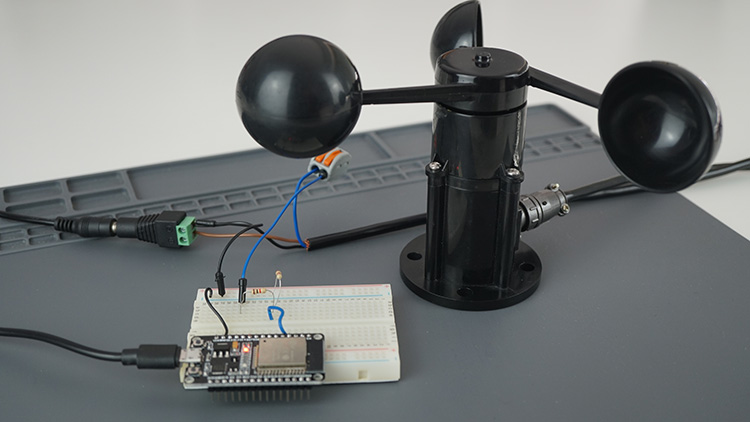
A Rika Wind Sensor is designed to deliver consistent and accurate wind data under a variety of environmental conditions. Its robust design ensures reliable operation in harsh weather, making it suitable for both remote monitoring stations and industrial sites. The sensor is commonly integrated into automated systems, providing real-time data for analysis and forecasting. Using a Rika Wind Sensor allows meteorologists and energy operators to make informed decisions, from predicting storms to optimizing wind turbine performance, ensuring both safety and efficiency.
Weather Monitoring Applications
Meteorological Stations
Meteorological stations rely on accurate wind measurement to track atmospheric conditions and generate reliable weather forecasts. The Rika wind sensor provides precise readings of wind speed and direction, which are crucial for predicting storms, wind patterns, and climate phenomena. These measurements allow meteorologists to issue timely warnings for severe weather, helping communities prepare for hazardous conditions.
Climate Research
Long-term climate studies require consistent wind data to identify trends and changes in atmospheric behavior. Rika wind sensors deliver stable and precise readings over extended periods, making them ideal for climate research projects. Data collected from these sensors helps scientists model wind patterns, study seasonal variations, and assess the impacts of climate change on local and global scales.
Extreme Weather Alerts
Wind sensors are also critical for detecting sudden changes in wind speed and direction that may indicate extreme weather events. Airports, emergency management agencies, and urban planners rely on accurate wind data to issue warnings for hurricanes, tornadoes, and high-wind events. Real-time monitoring with a Rika wind sensor enables faster response times, reducing risks to human life and property.
Renewable Energy Applications
Wind Farm Site Assessment
Before constructing a wind farm, developers need detailed wind measurements to identify optimal locations for turbines. Rika wind sensors provide comprehensive data on wind speed, direction, and turbulence, allowing engineers to select sites that maximize energy production. Accurate site assessment ensures that turbines operate efficiently and maintain long-term durability.
Turbine Performance Optimization
Once a wind farm is operational, continuous wind monitoring is necessary to optimize turbine performance. Rika wind sensors provide real-time feedback on airflow, allowing turbine control systems to adjust blade angles and rotation speeds accordingly. This dynamic adjustment maximizes energy output while minimizing mechanical stress on turbine components, increasing overall efficiency and lifespan.
Predictive Maintenance
Wind sensors also support predictive maintenance strategies in wind energy. By monitoring wind conditions and turbine responses, operators can anticipate potential mechanical issues caused by extreme gusts or fluctuating wind patterns. Early detection enables timely maintenance, reducing downtime and repair costs while maintaining consistent energy production.
Integration with Modern Systems
Rika wind sensors are compatible with automated monitoring systems, cloud-based analytics platforms, and data loggers, providing seamless integration for both weather and energy applications. The ability to collect and analyze data from multiple sensors allows operators to create detailed wind maps and models, improving forecasting accuracy and operational planning. Real-time data integration ensures quick decision-making for weather alerts, turbine adjustments, and site management.
Environmental Research and Air Quality Monitoring
In addition to energy and weather applications, Rika wind sensors play a key role in environmental research. Accurate wind measurements help track the dispersion of pollutants, study ecological impacts, and monitor air quality. Researchers use this data to model pollutant movement, design mitigation strategies, and evaluate environmental regulations, contributing to sustainable development and public health initiatives.
Aviation and Transportation Safety
Wind data is critical for aviation and maritime safety. Airports, helipads, and ports rely on real-time wind measurements to guide aircraft and ships during takeoff, landing, and navigation. Rika wind sensors provide the reliable data needed to ensure safe operations and minimize the risks associated with sudden gusts or crosswinds.
Conclusion
The Rika Wind Sensor is a versatile and reliable tool for both weather monitoring and renewable energy applications. Its accuracy, durability, and compatibility with modern monitoring systems make it indispensable for meteorologists, climate researchers, and wind energy operators. By delivering precise real-time wind data, these sensors enhance safety, optimize turbine performance, support predictive maintenance, and enable informed decision-making across various sectors. From forecasting severe weather to maximizing renewable energy efficiency, Rika wind sensors play a critical role in harnessing the power of wind for safety, research, and sustainability.