
Applications of Kingkonree Materials in Residential and Commercial Projects
Solid surface materials have become an essential part of modern architecture and interior design. Known for their durability, seamless appearance, and versatility, these materials are widely used in both residential and commercial construction projects. Designers and builders prefer solid surface products because they offer a balance between functionality and aesthetics while also providing long-term reliability. From kitchen countertops to large commercial installations, solid surface materials continue to transform the way interior spaces are designed.
Solid surface products are typically made from a combination of acrylic resins, natural minerals, and pigments, which create a non-porous and durable surface. These materials are resistant to stains, moisture, and bacteria, making them suitable for a wide variety of environments. One of the manufacturers that has contributed significantly to the availability of these materials worldwide is Kingkonree, which produces a broad range of solid surface sheets, sanitary products, and customized solutions for residential and commercial applications.
Use in Residential Interiors
In residential construction, solid surface materials are commonly used to enhance both the functionality and appearance of living spaces. Homeowners increasingly prefer materials that are easy to maintain while also contributing to modern interior aesthetics. Solid surface products provide a clean and seamless look that works well with contemporary home design.
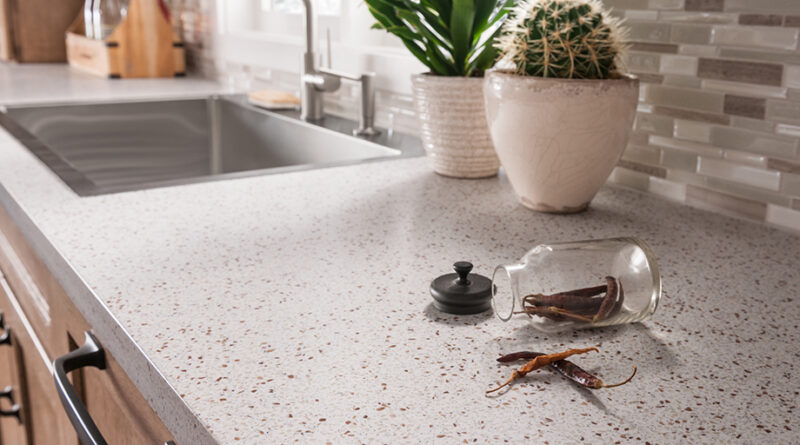
Kitchen countertops are one of the most popular applications in residential projects. Solid surface countertops provide a smooth, non-porous workspace that resists stains and moisture. Because the material can be joined without visible seams, large countertops can be installed with a continuous surface, creating a modern and elegant appearance. The wide range of colors and patterns available also allows homeowners to match the countertop with cabinetry, flooring, and wall finishes.
Bathrooms are another area where solid surface materials are widely used. Wash basins, vanity tops, and bathtubs made from solid surface materials offer both durability and visual appeal. The material retains heat well, making bathtubs more comfortable, while its non-porous nature prevents the growth of mold and bacteria. Integrated sink designs also allow for a seamless connection between the basin and countertop, improving both hygiene and ease of cleaning.
Custom Furniture and Decorative Features
Solid surface materials are not limited to kitchens and bathrooms. In residential interiors, they are increasingly used to create custom furniture pieces and decorative elements. Designers often use solid surface sheets to produce modern dining tables, shelving units, and decorative wall panels.
Because the material can be thermoformed and shaped into curved designs, it allows architects and interior designers to experiment with unique forms and structures. This flexibility makes it possible to create distinctive features that enhance the character of a home.
Another advantage of solid surface materials in residential design is their repairability. Minor scratches or surface damage can be polished and restored, helping the furniture or decorative element maintain its appearance for many years.
Hospitality and Hotel Projects
The hospitality industry relies heavily on durable and visually appealing materials. Hotels, resorts, and serviced apartments require surfaces that can withstand heavy use while maintaining a premium appearance. Solid surface materials are commonly used in hotel bathrooms, reception areas, and guest room furniture.
Reception desks made from solid surface materials create a strong visual impression while also offering durability. Because these surfaces are resistant to stains and scratches, they can maintain their appearance even in high-traffic areas. Additionally, the ability to customize shapes and sizes allows designers to create unique reception counters that reflect the brand identity of a hotel.
Hotel bathrooms also benefit from solid surface products such as integrated wash basins, vanity tops, and shower trays. These materials provide a clean and modern look while also meeting strict hygiene standards required in hospitality environments.
Healthcare and Laboratory Environments
Healthcare facilities require materials that support strict sanitation and hygiene standards. Solid surface materials are ideal for hospitals, clinics, and laboratories because they are non-porous and resistant to bacteria. These properties help reduce the risk of contamination and make the surfaces easier to disinfect.
In healthcare environments, solid surface materials are used for nurse stations, laboratory countertops, medical sinks, and wall cladding. The seamless joints prevent the accumulation of dirt or bacteria, which is essential in areas where cleanliness is critical.
Additionally, the durability of solid surface materials ensures that they can withstand frequent cleaning with strong disinfectants without losing their structural integrity or visual quality.
Retail and Commercial Spaces
Retail stores, office buildings, and commercial establishments also benefit from the versatility of solid surface materials. Designers often use these materials to create display counters, customer service desks, and decorative interior elements.
Retail counters made from solid surface materials provide a sleek and professional appearance that enhances the shopping experience. The material’s flexibility allows designers to incorporate curved shapes, lighting features, and branding elements into the design.
In office spaces, solid surface materials are commonly used for conference tables, workstation surfaces, and reception desks. Their durability and low maintenance requirements make them ideal for busy commercial environments.
Advantages for Large-Scale Projects
Large commercial developments require materials that can be produced consistently and installed efficiently. Solid surface materials offer several advantages for such projects. They can be fabricated into custom shapes, transported easily, and installed with seamless joints.
The material’s ability to maintain its color and texture over time also ensures long-term aesthetic consistency across large spaces. Additionally, the possibility of repairing or refinishing the surface reduces maintenance costs for building owners and facility managers.
Conclusion
Solid surface materials have become a key component of modern residential and commercial design. Their durability, versatility, and seamless appearance make them suitable for a wide range of applications, from home kitchens and bathrooms to large commercial developments and healthcare facilities.
Manufacturers such as Kingkonree contribute to this growing industry by providing high-quality materials that support innovative architectural designs. As construction and interior design continue to evolve, solid surface materials will remain an important solution for creating functional, hygienic, and visually appealing spaces.