Selecting a Quality Cup Bottom Paper Roll for Different Cup Sizes
Paper cups are manufactured in a wide range of capacities, from small tasting cups to larger takeaway beverage containers. Although their dimensions differ, each design requires a bottom component that fits correctly and connects securely with the sidewall. Choosing a quality cup bottom paper roll is therefore an important part of maintaining consistency across different cup sizes.
Manufacturers sourcing Cup Bottom Paper Roll should begin with the dimensions and technical requirements of their cup range. A material that performs well for one size may need a different specification for another, particularly when the paper weight, disc diameter, coating, and forming conditions change.
Why Cup Size Influences Material Selection
The dimensions of a cup determine the size and geometry of its bottom component. A smaller cup generally uses a smaller bottom disc, while a larger cup requires a different diameter and may place different demands on the material.
Cup size alone does not determine the correct paper grade. Manufacturers must also consider the intended beverage, cup height, sidewall structure, forming machinery, and expected handling conditions.
A small hot-drink cup and a large cold-drink cup may have different material requirements even if their bottom diameters are similar. Selection should therefore be based on the complete product specification.
Match Bottom Disc Dimensions Precisely
The bottom disc must fit the cup design and work with the machine’s positioning and sealing mechanism. Incorrect dimensions can cause difficulties during insertion or create an uneven connection with the sidewall.
Before ordering, confirm the required disc diameter and any relevant dimensional tolerances. If the manufacturer produces several cup sizes, prepare a separate specification for each design.
Samples can be useful for checking dimensions and production behavior. Compare the cut discs with approved references and assess whether they fit the intended cup body without unnecessary adjustment.
Choose a Suitable Paper Weight
Grammage is a key specification when purchasing bottom paper. It measures the mass of paper per square metre and helps identify the grade being supplied.
However, grammage should not be considered in isolation. Thickness, stiffness, fibre characteristics, and coating also influence how the paper performs.
For smaller cups, the required material may differ from that used in larger formats. The correct choice depends on the complete cup design and should be verified through trials rather than selected using a universal rule.
Consider Coating Requirements
Paper cup bottoms generally require an appropriate barrier construction because untreated paper can absorb liquid. Polyethylene is commonly used as a coating material in conventional cup stock, although other barrier systems may be available.
The coating needs to be compatible with the beverage application and the machine’s sealing process. Buyers should confirm the coating weight and whether the material is coated on one or both sides.
The bottom paper should also be compatible with the sidewall material. A mismatch between the two components may affect the sealing process or the finished cup’s performance.
Different Cup Formats and Their Requirements
Small cups
Small cups are often used for espresso, samples, tasting portions, or other limited-volume servings. Their bottom discs have smaller dimensions, and cutting accuracy is important because even minor variations may affect the fit.
Standard beverage cups
Common coffee and tea cups require bottom paper that matches the chosen capacity and forming equipment. Manufacturers should test the bottom seal and finished-cup performance using the actual beverage conditions.
Large takeaway cups
Larger cups may require a different combination of material dimensions and structural characteristics. The bottom component should be evaluated as part of the complete design, especially when the cup is intended for regular handling and transportation.
Cold beverage cups
Cold drinks can create condensation on the exterior of a cup. The finished product should be tested under realistic conditions to confirm that its construction is appropriate for the intended serving period.
Roll Dimensions and Equipment Requirements
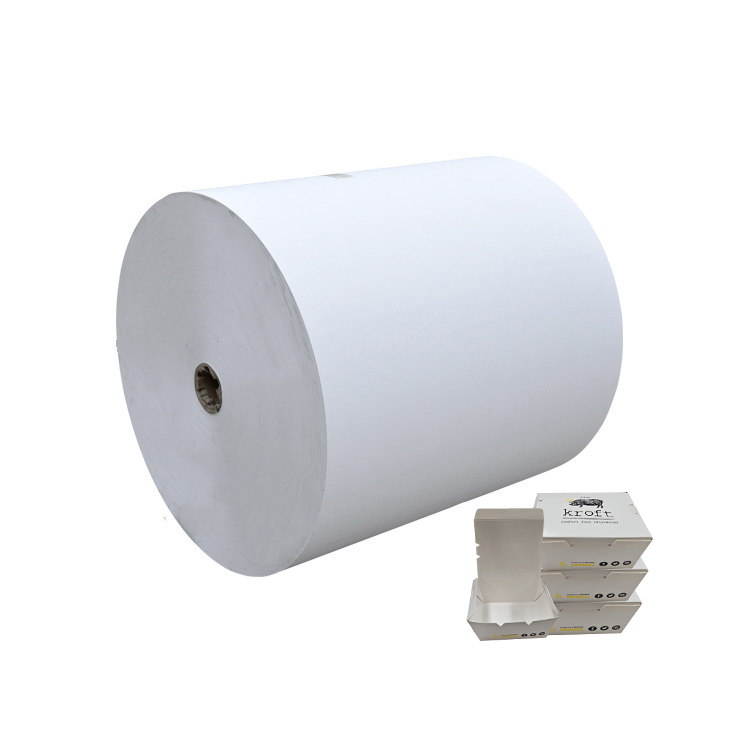
A bottom paper roll must be suitable for the cutting machinery. Buyers should confirm the roll width, outer diameter, core size, and winding direction where applicable.
Winding consistency matters because the material must unwind smoothly during production. Damaged edges, uneven winding, or unsuitable roll dimensions can create unnecessary handling problems.
When changing suppliers, compare the new roll with the existing specification and arrange a production trial before switching the full supply.
Build a Size-Based Specification System
Businesses producing multiple cup sizes can improve purchasing control by maintaining a specification sheet for each product. This document should include bottom-disc dimensions, paper grammage, thickness, coating details, roll requirements, and the intended machine.
Keeping approved samples alongside these records can help the quality team compare new deliveries with previously accepted material.
This approach also makes it easier to identify the correct product when placing repeat orders. It reduces the possibility of ordering a grade intended for a different cup size.
Inspect and Test Before Approval
Incoming inspections should verify the roll’s dimensions, paper properties, surface condition, and coating consistency. During production, monitor cutting accuracy, feeding behavior, bottom positioning, and sealing.
Finished cups should be checked for shape and liquid-holding performance under their intended conditions. Food-contact documentation should be obtained for the complete packaging construction.
A More Consistent Approach to Different Cup Sizes
Selecting a quality cup bottom paper roll requires a clear understanding of each cup design. Disc dimensions, paper weight, coating, and machine compatibility all influence the result.
By creating separate specifications for different sizes, testing samples, and retaining approved references, manufacturers can manage material purchases more effectively and support consistent disposable cup production.