
Choosing a Buffing Dust Collector for Cleaner Metalworking Operations
Buffing is a common finishing process in metalworking facilities, used to improve surface appearance, remove minor imperfections, and create a smoother finish. During operation, buffing wheels interact with workpieces, polishing compounds, and surface residues. This activity can release fine particles and debris into the surrounding area. Without appropriate collection methods, material may settle on machinery, workbenches, finished components, and floors. Selecting suitable dust collection equipment helps metalworking businesses manage these emissions and maintain cleaner production areas.
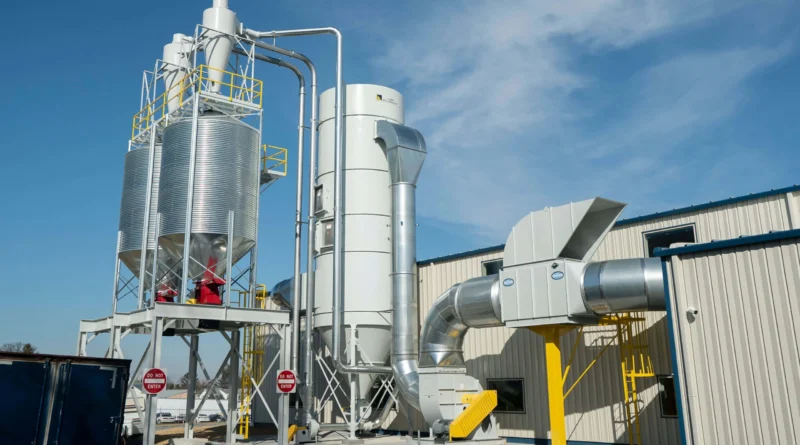
A Buffing Dust Collector is a collection system designed to capture particles generated during buffing and polishing operations. It may use an extraction hood, enclosed work area, ductwork, fan, filter elements, and a dust collection container. The equipment should be selected according to the metals being processed, the type of polishing compounds used, the number of workstations, and the volume of material generated.
1. Identify the Buffing Process and Its Emissions
Not all buffing operations produce the same type or quantity of dust. A process involving stainless steel may generate different residues from one used for aluminum, brass, or other metals.
The polishing compound, abrasive wheel, workpiece condition, and operating speed also influence the particles released.
Before selecting a collector, examine the actual process. Identify the number of buffing stations, typical operating hours, materials handled, and whether different operations produce separate waste streams.
This information helps determine the appropriate collection arrangement and avoids choosing equipment based only on general capacity figures.
2. Capture Dust Near the Buffing Wheel
Source capture is an important part of effective dust management. Particles should be collected as close as practical to the point where they leave the workpiece and buffing wheel.
A suitable hood or enclosure can direct dust toward the extraction opening. Its position should account for wheel rotation, operator access, workpiece dimensions, and the direction in which particles are projected.
If the collection opening is poorly positioned, particles may escape into the workspace. Airflow should be evaluated under normal operating conditions to confirm that the arrangement captures emissions effectively.
3. Choose Filtration for Metal Particles and Compounds
The filtration system must be compatible with the material being collected. Metal particles, abrasive residues, and polishing compounds can have different physical and chemical properties.
Filter media should be selected according to particle size, loading rate, moisture, temperature, and compatibility with the collected substances. Some processes may require specialized filtration or separate collection arrangements for different materials.
Where combustible metal dust may be generated, a qualified assessment is essential. Certain metal powders and fine particles can present serious fire or explosion hazards, and ordinary industrial filters may not be suitable.
4. Match Airflow to the Number of Workstations
A collector must provide enough airflow to serve its connected buffing stations. Requirements depend on hood design, extraction opening size, duct dimensions, hose length, and filter resistance.
For a single workstation, a dedicated collector may provide a straightforward arrangement. Larger workshops may benefit from a centralized system serving several machines through a designed duct network.
If multiple stations operate simultaneously, the system must be sized for the expected combined demand. Poor airflow distribution can leave some workstations with inadequate extraction.
5. Consider the Collector’s Construction
Metalworking environments can expose equipment to abrasive dust, vibration, and frequent operation. Collector construction should be suitable for these conditions.
Important features include housing strength, accessible filter compartments, secure duct connections, durable fan components, and a practical dust-discharge arrangement.
The unit should also be positioned so that operators and maintenance personnel can reach it without obstructing walkways or other production activities.
6. Protect Product Quality and Workplace Cleanliness
Buffing often takes place near inspection, finishing, and packaging activities. Uncontrolled particles may settle on finished surfaces or transfer to products during later handling.
An effective collection arrangement can help reduce this contamination risk and limit the spread of dust around the workshop.
However, the required cleanliness level may demand additional controls, such as separate finishing zones, cleaning procedures, or enclosed production areas. Dust collection should form part of a broader process-quality plan.
7. Include Safety in Equipment Selection
Buffing involves rotating wheels, moving machinery, and potential contact with abrasive materials. The collection system should not interfere with machine guards, operator visibility, or safe handling of workpieces.
Electrical equipment must be suitable for the installation environment. Where the process creates combustible metal dust or sparks, the collection system requires specialist evaluation and appropriate protective design.
Operators should be trained in safe use, and maintenance should follow proper equipment isolation procedures.
8. Plan for Dust Disposal and Maintenance
Collected residues need to be removed without creating additional airborne emissions. The container, hopper, or discharge arrangement should suit the quantity and characteristics of the material.
Routine maintenance should cover filters, duct connections, hoods, fan performance, seals, collection containers, and control devices. Monitoring airflow or pressure differential can help identify filter loading and other performance changes.
Replacement filters and service components should be readily available. Maintenance schedules should reflect production intensity and the material being collected.
9. Evaluate Long-Term Operating Costs
The purchase price is only one factor in choosing a buffing dust collector. Electricity consumption, filter replacement, servicing, disposal, and downtime all contribute to the total cost of ownership.
A system that is easy to inspect and maintain may provide better long-term value than one that is less expensive initially but difficult to service.
Comparing supplier specifications, maintenance requirements, technical support, and component availability helps businesses make a more informed investment decision.
Conclusion
Choosing a buffing dust collector requires an understanding of the metalworking process, the particles generated, the required airflow, and the hazards associated with collected materials. Suitable source capture, compatible filtration, safe equipment design, and regular maintenance all contribute to effective operation. A carefully selected system can help metalworking facilities maintain cleaner work areas and support consistent finishing operations.

